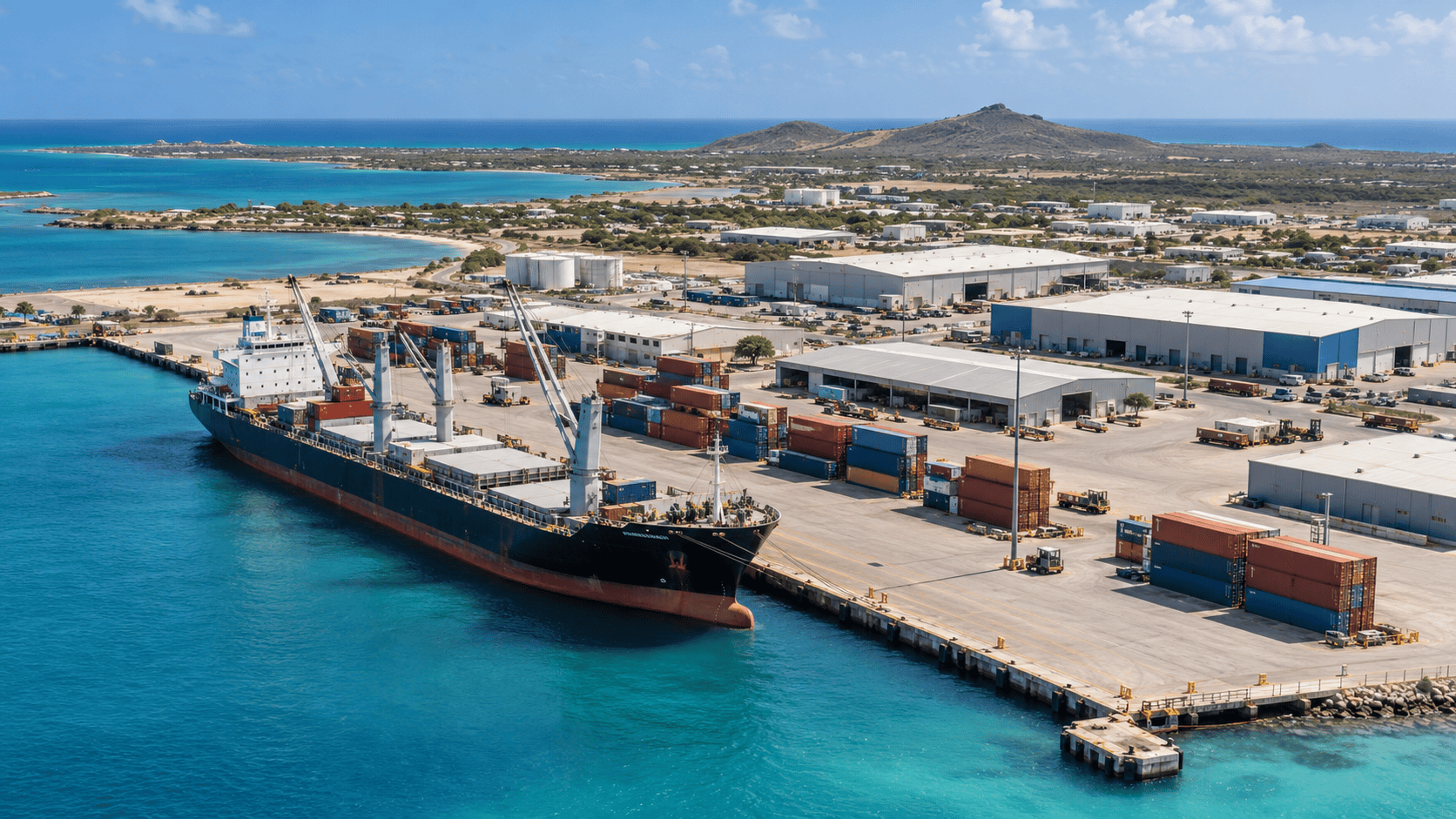
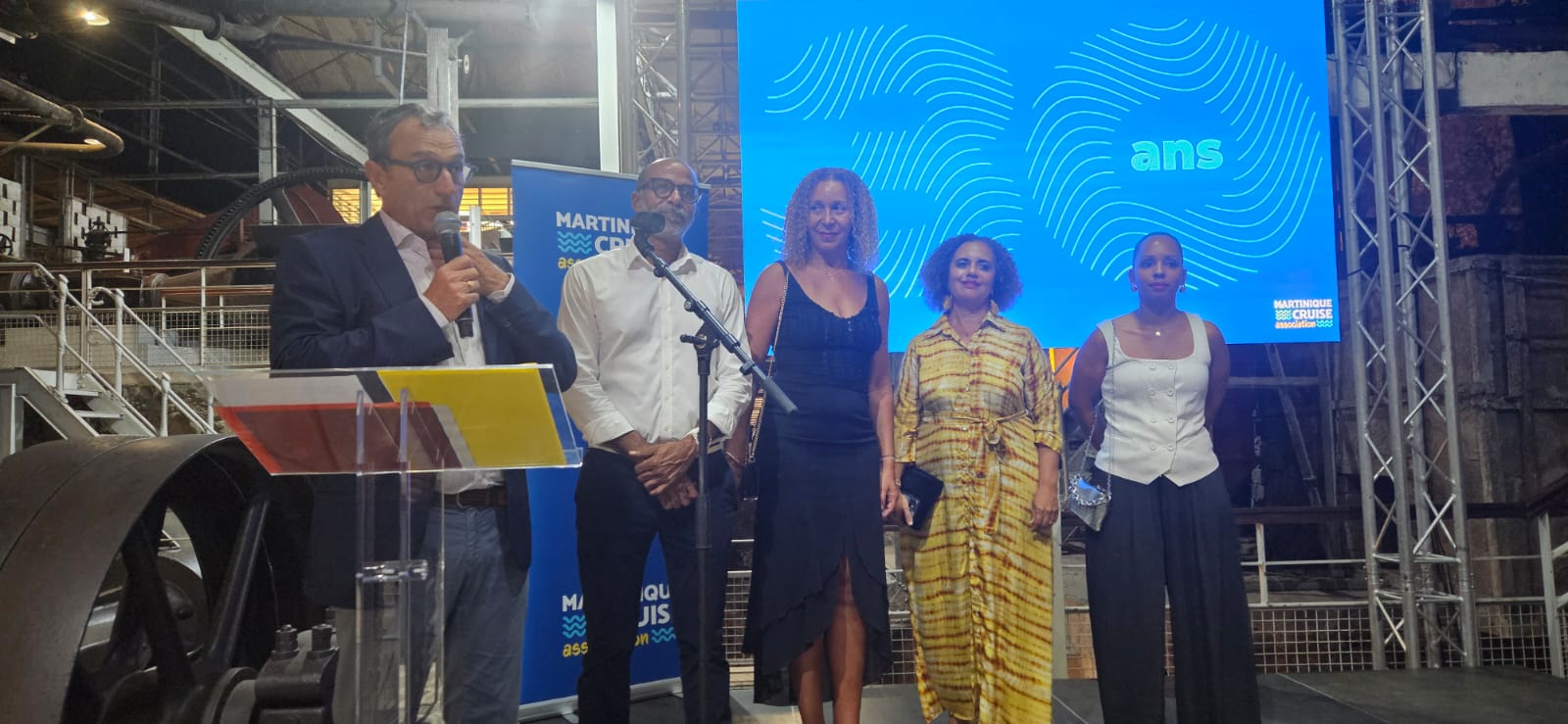
Strong passenger growth, expanding homeport operations and renewed interest from cruise lines are reinforcing Martinique’s position in the Caribbean market. The island’s next challenge now lies in generating greater economic value and strengthening its long-term competitiveness.
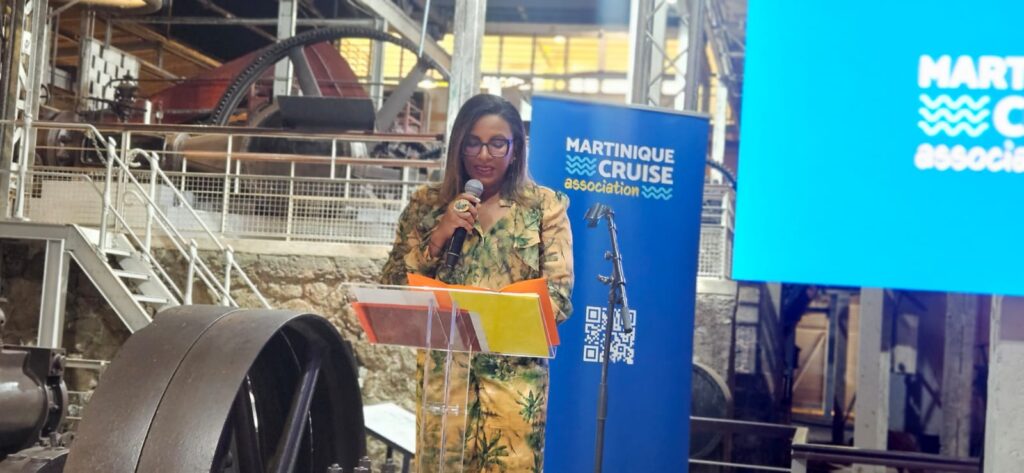
As the Martinique Cruise Association celebrates its 30th anniversary, the island’s cruise industry is entering a new phase of development. After years of investment and steady expansion, Martinique is posting strong growth figures and benefiting from renewed confidence among cruise operators. Yet industry leaders increasingly agree that the future of the sector will not be determined solely by passenger volumes. The real challenge now is to generate greater economic value from every call and strengthen the destination’s long-term competitiveness.
Cruise growth continues to gain momentum
The latest figures confirm the sustained growth momentum of Martinique’s cruise industry. During the 2025-2026 season, the island welcomed more than 568,000 cruise passengers and recorded 234 port calls, while around 300 calls have already been announced for the next season.
These figures reinforce Martinique’s growing position in a region that remains the world’s second-largest cruise market, accounting for approximately 12 million passengers annually and between 36% and 37% of global cruise traffic.
Although Martinique remains a relatively modest player by regional standards, ranking 14th among Caribbean cruise destinations, the island is benefiting from renewed confidence among cruise operators and increasing recognition as an attractive destination within the region.
Homeporting emerges as a major economic driver
One of the most significant developments in recent years has been the rapid expansion of homeport operations. Martinique welcomed more than 155,000 homeport passengers during the 2023-2024 season, compared with just 64,000 in 2015.
For the island, homeporting — using Martinique as a port of embarkation and disembarkation rather than simply a transit call — generates economic benefits that extend well beyond cruise activity itself. Unlike transit passengers, embarking and disembarking travellers create value across multiple sectors, including air transport, accommodation, ground transportation, excursions, retail and food services.
The economic impact is reflected in spending patterns. Expenditures associated with homeport operations have increased by a factor of 3.3 over the past decade, turning this segment into one of the cruise industry’s most powerful drivers of local economic value.
The next challenge: creating more value per passenger
The cruise industry generated approximately €40 million in expenditures during the 2023-2024 season, nearly double the level recorded ten years earlier.
However, industry stakeholders acknowledge that significant room for improvement remains.
Average spending in Martinique stands at around €70 per passenger. The figure rises to €102 for homeport passengers but falls to approximately €50 for transit passengers. These levels remain below those observed in several competing Caribbean destinations.
The challenge is therefore no longer simply to welcome more visitors. The priority is to encourage higher local spending and increase the value captured by the destination.
This will require expanding excursion offerings, encouraging visitors to spend several days in Martinique before embarking or after disembarking, improving access to information and digital services, and making better use of the island’s cultural, historical and gastronomic assets.
The objective is clear: transform cruise growth into broader and more widely distributed economic benefits.
Competitiveness will depend on destination quality and strategic choices
The next phase of Martinique’s cruise development will also depend on its ability to enhance the overall visitor experience.
Industry representatives have highlighted the importance of investing in destination quality through improved infrastructure, better signage, upgraded public spaces and greater professionalisation across the tourism value chain. Strengthening customer satisfaction and delivering a seamless onshore experience will be essential if Martinique wants to maintain its positive trajectory.
At the same time, the island is preparing to welcome new-generation and premium vessels that come with increasingly demanding passenger expectations.
New regulatory constraints also add complexity to the outlook. European emissions regulations, particularly the EU Emissions Trading System (ETS), are creating additional cost pressures for the French Caribbean’s cruise and maritime industries. In an increasingly competitive region, preserving attractiveness while adapting to these constraints will require coordinated action between ports, tourism stakeholders and public authorities.
For Martinique, the coming years may therefore prove decisive. The island has demonstrated its ability to attract cruise traffic and strengthen its position within the Caribbean market. The next challenge is more ambitious: turning this momentum into sustainable, high-value growth that benefits both the destination’s competitiveness and the wider economy.