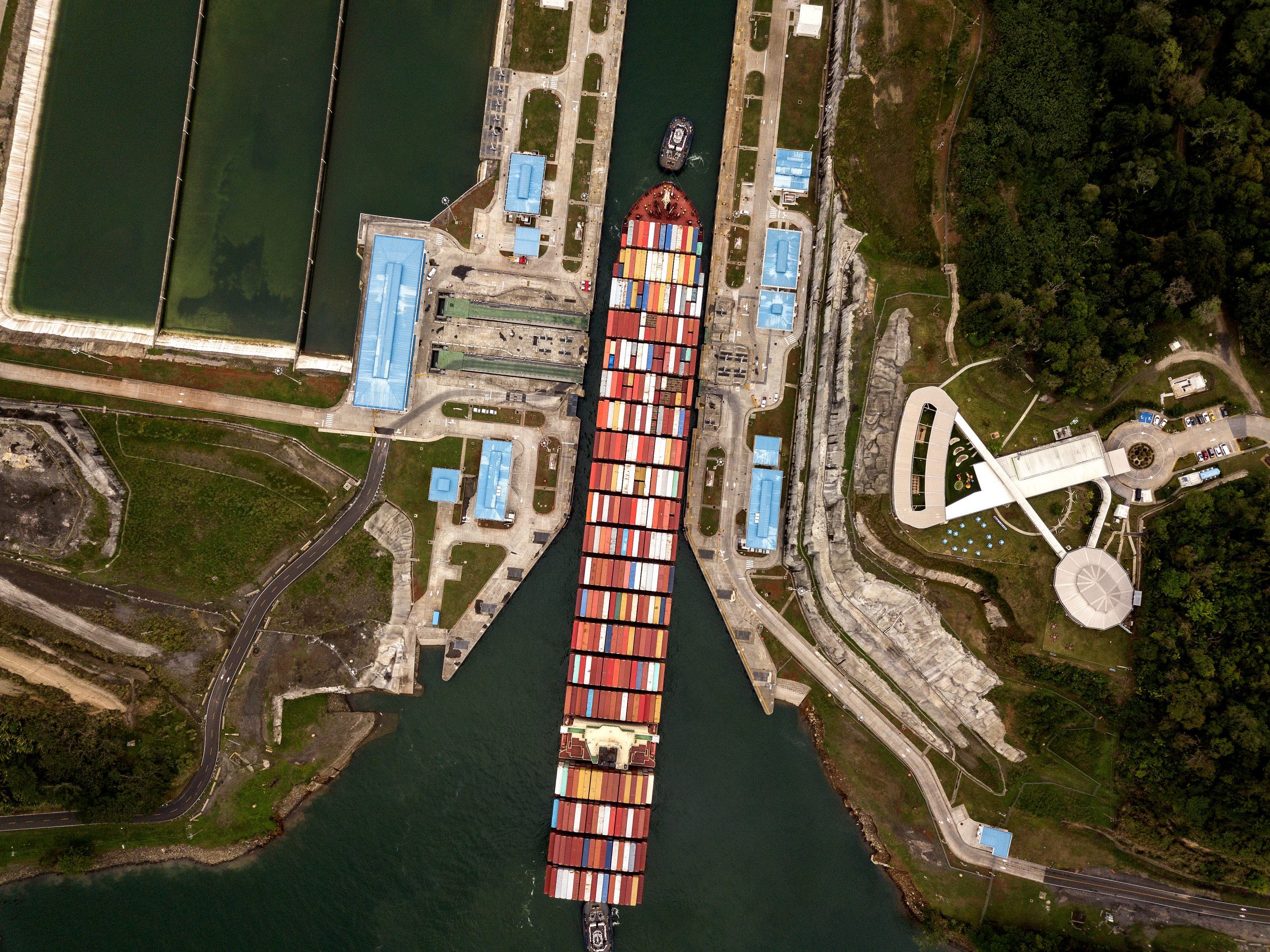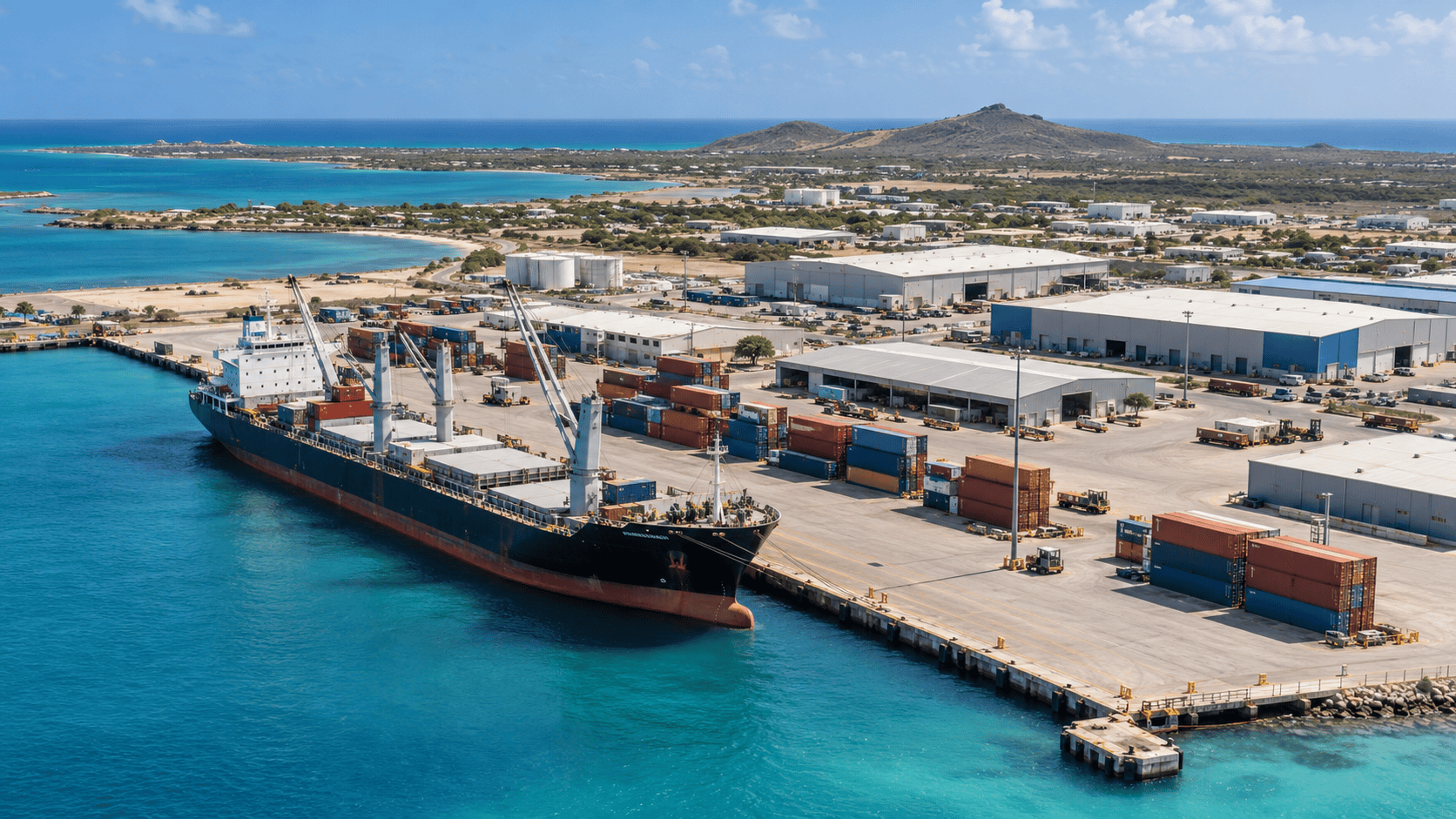
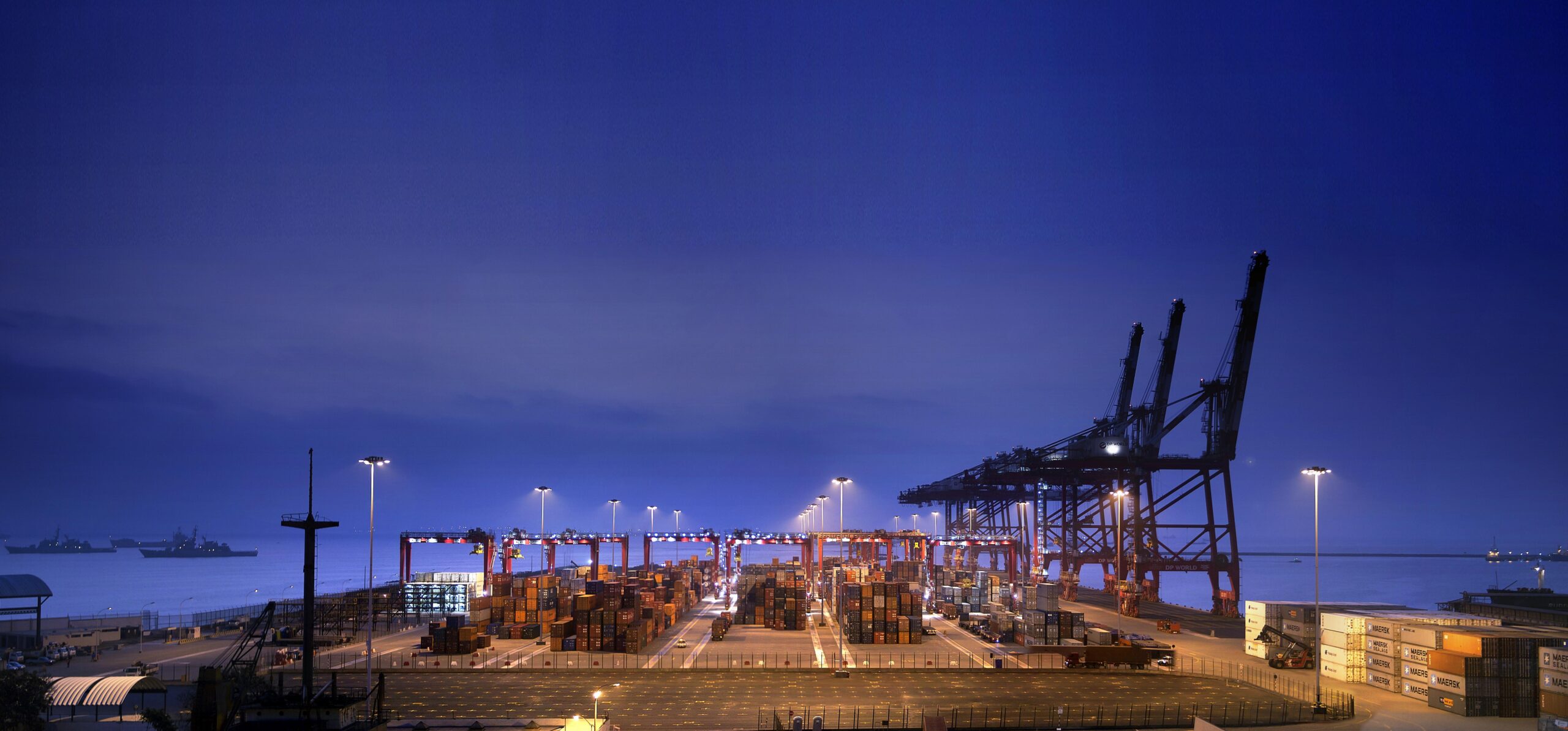
Ports across Latin America recorded historic cargo volumes in 2025, reflecting a broader transformation in global trade patterns. Capacity expansions, stronger Asia–Americas shipping connections and shifting supply chains are driving sustained growth across some of the region’s most strategic maritime gateways.
Terminals operated by DP World across Latin America posted record throughput levels during the year, highlighting the increasing role of the region in global maritime trade as companies adjust production networks and distribution strategies across the Americas.
The surge in cargo volumes reflects a combination of infrastructure investments, larger vessel calls and rising nearshoring-driven cargo flows linking manufacturing hubs in Latin America with markets in North America and beyond.
Record cargo volumes across major regional gateways
Several of the region’s leading ports reached record container throughput in 2025, underlining the strengthening position of Latin America within global shipping networks.
At the Port of Santos, one of the continent’s most important maritime gateways, DP World’s terminal handled a record 1.3 million twenty-foot equivalent units (TEUs), surpassing the previous record of 1.25 million TEUs achieved in 2024. The terminal also handled 5 million tons of cellulose exports, reflecting strong international demand for pulp and paper products.
In the Caribbean, the Port of Caucedo continued to strengthen its position as a major regional logistics hub. Throughput reached 1.76 million TEUs, driven by growing transshipment activity and expanded shipping services connecting North and South America.
On the Pacific coast, the Port of Callao reached a historic milestone, surpassing 2 million TEUs for the first time. The terminal became the first on South America’s west coast to exceed the two-million-TEU threshold, following the completion of major infrastructure upgrades.
Chile also recorded its strongest performance to date, with record volumes handled at both the Port of San Antonio and the Port of Lirquén. At San Antonio, throughput climbed to 835,900 TEUs, representing an 18% year-on-year increase supported by improved maritime connectivity with Asia and higher berth productivity.
Infrastructure investments driving growth
The strong performance across the region’s ports reflects years of sustained investment in maritime infrastructure and logistics capacity.
At Santos, ongoing expansion projects are gradually increasing terminal capacity toward 1.7 million TEUs, with long-term development plans targeting 2.1 million TEUs. These upgrades are enabling the port to accommodate larger container vessels and higher cargo volumes as global shipping lines deploy increasingly large ships across major trade routes.
In Peru, the expansion of Callao’s Bicentennial Pier has significantly increased berth capacity and operational efficiency. The new infrastructure allows the terminal to handle larger vessels and greater call sizes while supporting Peru’s growing export sector.
Similarly, continued investments at Caucedo — including a $760 million expansion program covering both port infrastructure and the surrounding economic zone — are reinforcing the Dominican Republic’s role as a strategic manufacturing and distribution hub for regional trade.
Nearshoring reshaping supply chains
The surge in container volumes also reflects structural changes in global supply chains.
As companies seek to reduce logistical risks and shorten delivery times, many manufacturers are relocating parts of their production closer to key consumer markets, particularly the United States. This trend, widely known as nearshoring, is strengthening trade flows within the Americas and increasing demand for efficient regional logistics networks.
Latin America and the Caribbean are emerging as key beneficiaries of this shift. Ports such as Caucedo and Santos are increasingly handling cargo linked to industrial supply chains, including intermediate goods and components moving between production hubs and consumer markets.
According to industry executives, the evolution of global shipping networks is also concentrating traffic in fewer but more efficient ports capable of accommodating larger vessels and higher cargo volumes.
The rise of integrated logistics networks
Beyond port operations, global logistics operators are increasingly expanding their presence across the entire supply chain.
In Brazil, DP World recently strengthened its inland logistics capabilities through a new warehouse management agreement with Suzano, one of the world’s largest pulp and paper companies.
The partnership includes the operation of a 5,000-square-meter logistics facility integrated with Suzano’s tissue manufacturing plant in the state of Espírito Santo. The facility supports inbound logistics, inventory management, production line replenishment and outbound distribution of finished products to major consumer markets across Brazil.
The agreement reflects a broader shift within the logistics sector toward end-to-end supply chain solutions, combining port operations, warehousing, freight forwarding and inland distribution networks.
Latin America’s growing role in global trade
The record cargo volumes achieved in 2025 highlight Latin America’s growing importance in global maritime trade.
With expanding port infrastructure, rising industrial activity and stronger integration into global supply chains, the region’s maritime gateways are becoming increasingly important nodes connecting Asia, the Americas and Europe.
As investments continue and trade flows evolve, major ports such as Santos, Callao and Caucedo are expected to play an even greater role in shaping the future of international trade across the hemisphere.