
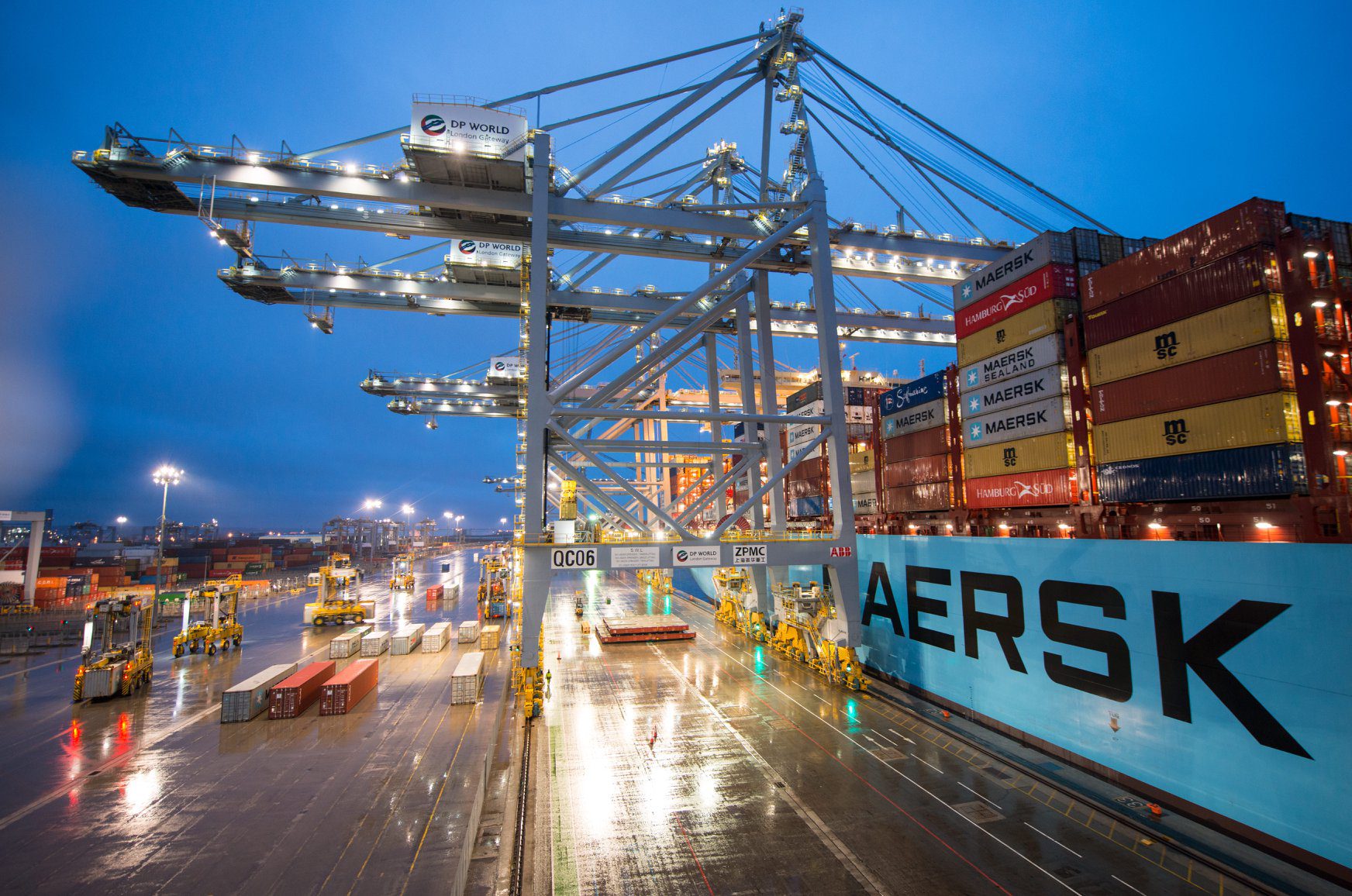
On 11 December 2025, DP World announced a new expansion phase for the Caucedo port in the Dominican Republic. While the announcement highlights capacity increases and new equipment, its implications go further for maritime and logistics professionals. It signals a clear ambition to position Caucedo as a regional platform able not only to absorb traffic growth, but also to deliver greater operational reliability across the Caribbean basin.
According to the official information released by the operator, the terminal’s target capacity will reach 2.25 million TEU. In 2024, throughput stood at around 1.7 million TEU. This gap between current volumes and announced capacity is significant. For shipping lines and cargo owners, it points to available operational headroom at a time when congestion, schedule recovery and seasonal peaks remain major concerns in network planning.
Capacity first: creating room for growth and flexibility
From an operational standpoint, this additional capacity provides flexibility. Ports that are not operating at saturation levels are better positioned to handle traffic fluctuations, reduce waiting times and offer more predictable turnaround. In an increasingly volatile market, such characteristics can influence port selection decisions as much as tariffs or geographic location.
Beyond volumes, DP World emphasises equipment modernisation focused on productivity and energy transition. The announcement confirms the deployment of 11 electric ship-to-shore cranes, alongside upgrades to yard equipment. For industry stakeholders, these investments address several concrete issues at once: higher handling productivity, potential reductions in long-term energy and maintenance costs, and stronger alignment with environmental requirements now embedded in many shippers’ procurement strategies. ESG considerations, often treated as secondary, are becoming an operational factor in port competitiveness.
Productivity and energy transition as operational differentiators
Another key element of the announcement lies in the strategic positioning of the site. DP World presents Caucedo not merely as a container terminal, but as an integrated logistics hub, combining port infrastructure with logistics services and supply-chain solutions. This approach aims to capture greater value beyond pure maritime handling, offering services such as warehousing, cargo processing and facilitation of customs operations. For freight forwarders and cargo owners, such integration can translate into improved visibility, fewer handovers and more resilient supply chains.
Beyond the quay: positioning Caucedo port as a regional logistics platform
In the wider Caribbean landscape, this expansion takes place in a highly competitive environment. Several ports in the region already play a central role in transshipment and redistribution between North America, Latin America and the Caribbean. The challenge is therefore not only to attract volumes, but to meet increasingly selective criteria: reliability of calls, turnaround times, quality of liner connectivity and efficiency of landside operations. Reference work by the World Bank, through the Container Port Performance Index, underlines that operational performance now weighs as heavily as size in port attractiveness.
The Caucedo port expansion also aligns with broader shifts in supply chains across the Americas–Caribbean corridor. The search for nearshoring solutions and regional hubs capable of supporting shorter, more resilient trade routes is reinforcing the appeal of well-connected ports with available capacity. In this context, the Dominican Republic benefits from geographic and logistical assets that this new investment phase seeks to consolidate.
Focusing strictly on the elements officially announced on 11 December 2025, DP World’s move does not, by itself, redefine regional market shares. It does, however, send a clear signal to maritime and logistics players: Caucedo intends to strengthen its role within the Caribbean logistics architecture, combining capacity growth with service quality and operational reliability. For industry professionals, this evolution deserves close attention when assessing future port choices and regional strategies.


One Response