
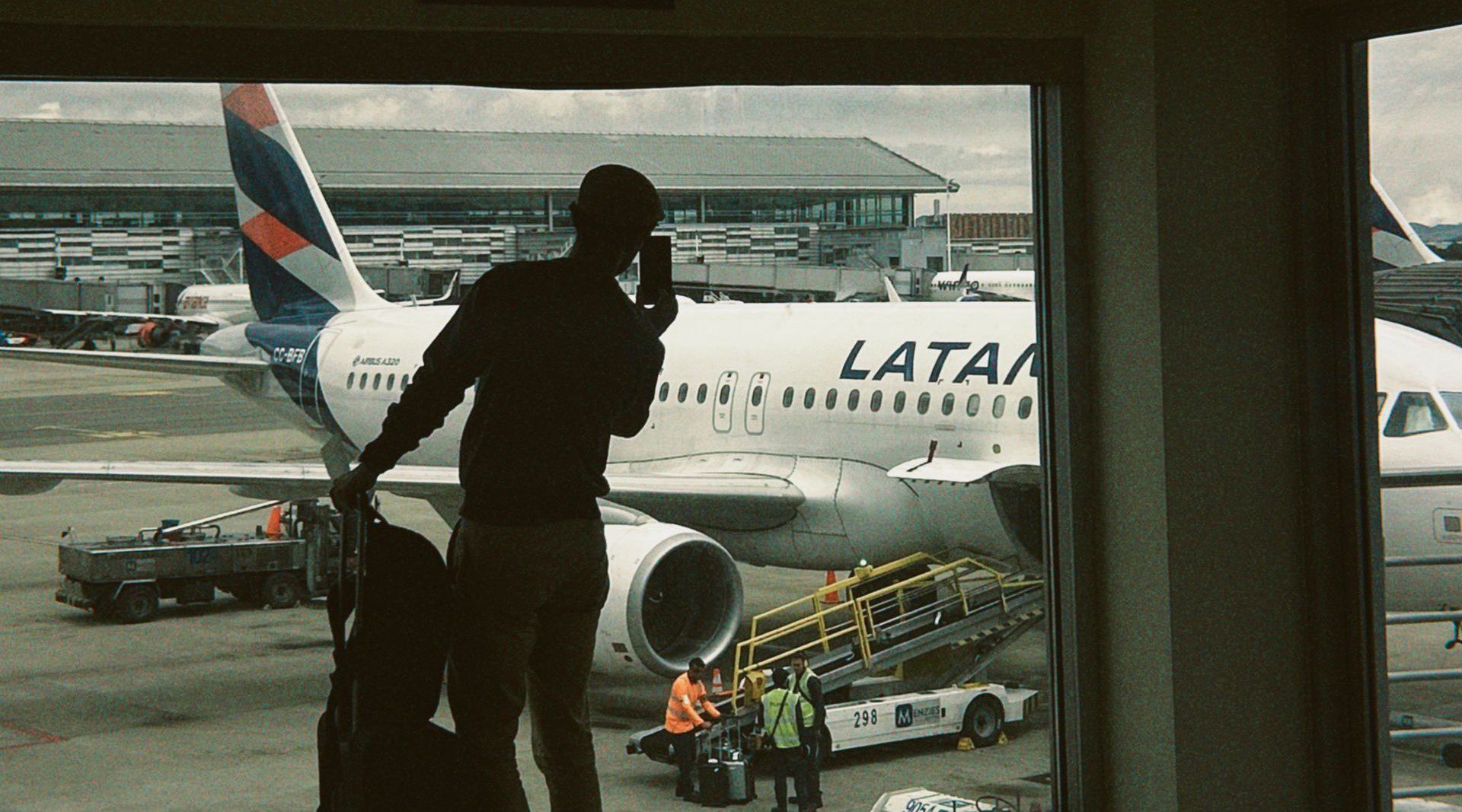
LATAM Airlines Group carried 7.6 million passengers in September 2026, up 3.7% year on year. International traffic grew faster than available capacity, while domestic operations recorded contrasting trends in demand and load factors.
LATAM Airlines Group, headquartered in Santiago, Chile, reported a 6.2% year-on-year increase in consolidated passenger traffic in September 2026, according to preliminary operating statistics released on October 8. The group expanded available seat capacity by 7.7%, while its overall passenger load factor declined by 1.2 percentage points to 83.1%.
The results reveal differences across LATAM’s network, with international operations recording stronger traffic growth relative to capacity than its domestic markets.
International Operations Record Stronger Traffic Growth
LATAM‘s international passenger traffic, measured in revenue passenger-kilometres (RPK), increased by 8.8% compared with September 2025. Available capacity, measured in available seat-kilometres (ASK), grew by 7.8% over the same period.
As traffic growth exceeded capacity expansion, the international passenger load factor improved by 0.7 percentage points to 84.7%, the highest among the group’s three reported operating segments.
International operations also recorded a 5.7% increase in passengers carried, reaching approximately 1.55 million during September.
The segment includes international services operated by LATAM’s affiliates in Brazil, Chile, Colombia, Ecuador, Peru and Paraguay. It covers connections within Latin America and services linking the region with destinations in North America, Europe, Oceania, Africa and the Caribbean.
The results contrast with LATAM’s consolidated performance, where capacity growth exceeded traffic growth during the month.
Domestic Markets Show Contrasting Performance
Domestic operations across LATAM’s South American markets recorded different traffic and capacity trends in September.
In Chile, Colombia, Ecuador and Peru, combined domestic passenger traffic rose by 8.1% in RPK, while capacity increased by 11.1%. The load factor consequently declined by 2.3 percentage points to 81.0%.
These affiliates nevertheless transported approximately 2.68 million domestic passengers, an increase of 8.3% compared with September 2025.
In Brazil, the difference between traffic and capacity growth was more pronounced. Domestic RPK increased by just 1.0%, while available capacity expanded by 5.8%.
The Brazilian domestic load factor fell by 3.9 percentage points to 81.1%, compared with 85.0% a year earlier. The number of passengers carried also declined slightly, by 0.6%, to approximately 3.35 million.
These figures show that LATAM’s capacity expansion was not matched by equivalent traffic growth across all domestic operations. However, the statistics do not establish the financial performance or profitability of individual markets.
Cargo Volumes Rise Alongside Nine-Month Passenger Growth
LATAM’s cargo operations also recorded growth in September.
The group transported approximately 85,000 tonnes of freight, up 4.7% year on year. Cargo traffic, measured in revenue tonne-kilometres (RTK), increased by the same percentage, while available cargo capacity rose by 2.2%.
The cargo load factor reached 54.3%, improving by 1.3 percentage points compared with September 2025.
Over the first nine months of 2026, LATAM carried 67.5 million passengers, representing a 4.7% increase from the corresponding period in 2025. Consolidated passenger traffic grew by 8.3% in RPK, against an 8.9% rise in available capacity.
The group’s passenger load factor for January–September stood at 83.6%, down 0.5 percentage points year on year.
Cargo volumes reached approximately 768,000 tonnes over the same nine-month period, an increase of 3.1%.
September’s operating figures therefore highlight an uneven relationship between traffic and capacity growth across LATAM’s network. International operations recorded an improvement in aircraft occupancy, while domestic load factors declined, making the evolution of demand and available capacity important indicators for the remainder of 2026.
FAQ
How many passengers did LATAM Airlines Group carry in September 2026?
LATAM carried approximately 7.6 million passengers in September 2026, representing a 3.7% increase compared with September 2025.
How did LATAM’s international traffic perform compared with domestic operations?
International passenger traffic increased by 8.8% in RPK, exceeding capacity growth of 7.8%. Domestic traffic grew by 8.1% across Chile, Colombia, Ecuador and Peru, and by 1.0% in Brazil, while capacity increased more rapidly in both domestic segments.
What were LATAM’s cargo results in September 2026?
LATAM transported approximately 85,000 tonnes of cargo, up 4.7% year on year. Available cargo capacity increased by 2.2%, while the cargo load factor improved to 54.3%.