Maritime authorities from 12 Caribbean countries met in Saint Vincent and the Grenadines to review domestic ferry safety regulations, crew training and emergency preparedness, drawing on the International Maritime Organization’s model regulatory framework.
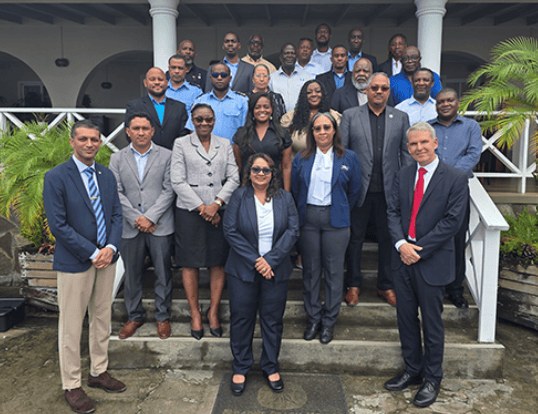
The International Maritime Organization (IMO), in cooperation with the Maritime Administration and relevant national authorities of Saint Vincent and the Grenadines, held a regional workshop in Kingstown from 28 to 30 September 2026 to strengthen domestic ferry safety across the Caribbean.
The three-day meeting brought together representatives from 12 countries to examine national regulatory frameworks, operational requirements and maritime training. Discussions focused on identifying practical improvements to domestic ferry operations and exchanging experiences among participating administrations.
The initiative forms part of the IMO’s broader efforts to help Member States develop national safety requirements suited to their domestic ferry sectors.
Caribbean Authorities Review Ferry Operations and Safety Requirements
Representatives from Antigua and Barbuda, the Bahamas, Belize, Dominica, Grenada, Haiti, Jamaica, Saint Kitts and Nevis, Saint Lucia, Saint Vincent and the Grenadines, Suriname, and Trinidad and Tobago participated in the workshop.
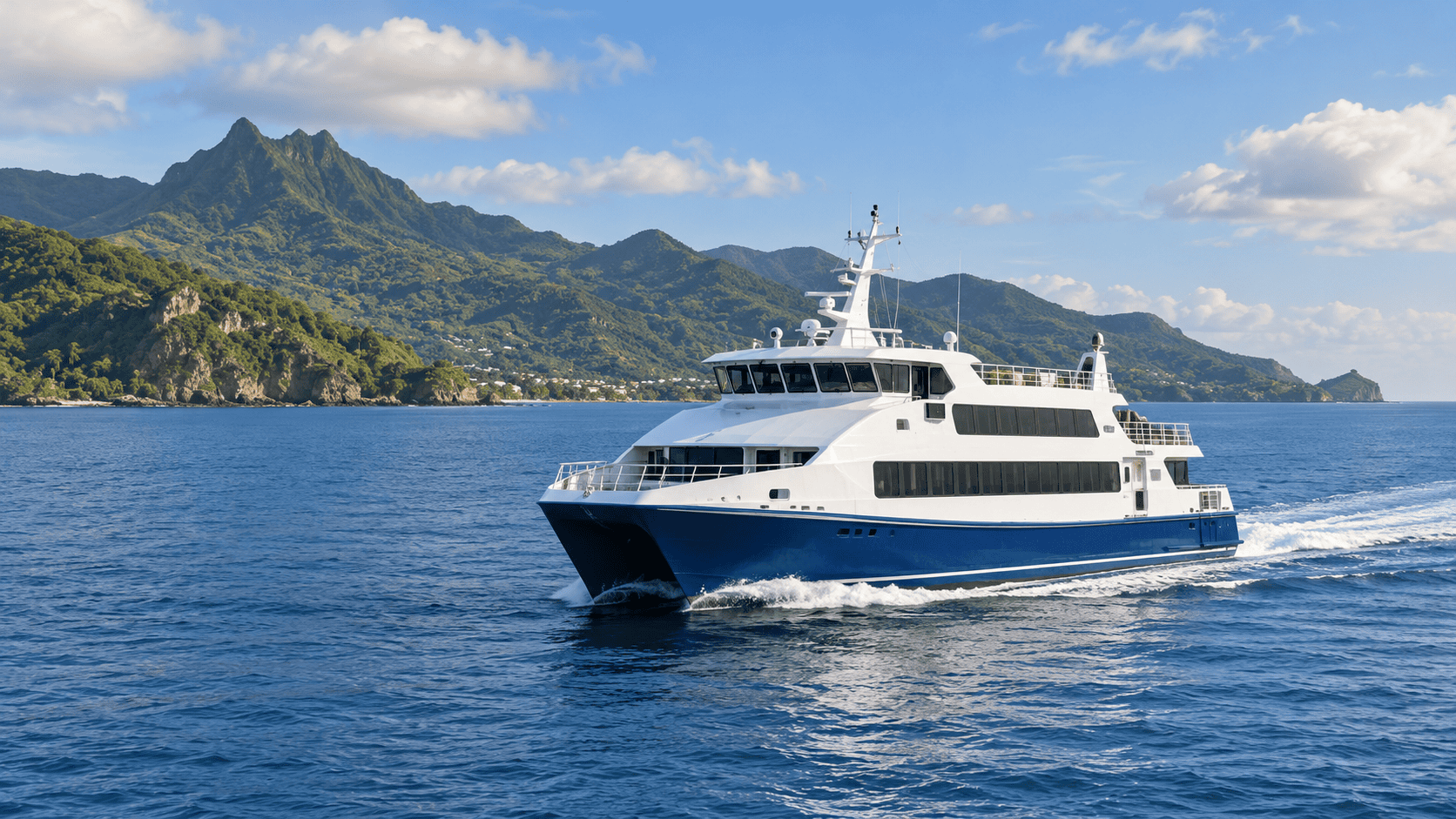
The discussions examined national legislation governing ferry operations, fleet characteristics, passenger traffic and requirements for the classification of domestic ferries.
Participants also reviewed the implementation of provisions under the International Convention on Standards of Training, Certification and Watchkeeping for Seafarers (STCW), alongside opportunities to strengthen national regulatory and training systems.
According to the IMO, the workshop enabled participating countries to share operational experiences, identify practical solutions and explore opportunities for regional cooperation.
Hyrone Johnson, Director of the Saint Vincent and the Grenadines Maritime Administration, highlighted the importance of strengthening ferry safety in light of recent casualties in the region.
IMO Model Regulations Provide a Framework for Domestic Ferry Safety
A central reference for the discussions was IMO Resolution MSC.518(105), which established the Model Regulations on Domestic Ferry Safety, adopted by the organization’s Maritime Safety Committee on 28 April 2022.
The framework provides recommendations that governments can incorporate into their national legislation, either fully or partially, according to their domestic operating conditions and risk assessments.
Its provisions address vessel construction, stability, certification, safety equipment, operational management, crew qualifications and emergency preparedness. They also cover responsibilities relating to inspections, passenger safety and compliance with national requirements.
The model regulations are voluntary and may serve as a basis for bilateral or multilateral agreements concerning domestic ferry operations.
The IMO encourages Member States to adapt the framework to their national circumstances and report its implementation to the organization. The September workshop did not announce the adoption of new binding regional requirements.
Crew Training and Emergency Preparedness Remain Central
Beyond regulatory provisions, the Kingstown workshop placed particular attention on maritime education, crew competencies and the ability of operators to respond effectively to emergencies.
The IMO emphasized the importance of effective training and safety procedures, referring to recent ferry incidents involving the MV JUNE ASTER in the Philippines and MV VIRGO TRANSPORT 8 in Indonesia in September 2026.
Sascha Pristrom, Head of Marine Technology and Goal-Based Standards at the IMO, highlighted the importance of reliable ferry services for Caribbean island communities:
“Safe and reliable domestic ferry services are a lifeline for island communities across the Caribbean.”
He also emphasized the need for maritime education and training to evolve alongside technological innovation and the increasing use of alternative fuels in shipping.
Alongside its regulatory work, the IMO provides dedicated domestic ferry safety e-learning materials for maritime authorities, operators and other industry professionals. These resources support safety awareness and the application of recommended operational practices.
Implications for Caribbean Ferry Operators
The workshop reflects ongoing efforts to strengthen the regulatory and operational foundations of domestic ferry transport across the Caribbean.
For maritime administrations, the IMO framework provides a reference for reviewing national legislation, inspection procedures and training requirements. For ferry operators, its provisions offer guidance on vessel safety, crew preparedness and operational responsibilities.
Further progress will depend on how individual countries assess and incorporate the recommendations into their respective regulatory systems.
The Kingstown meeting established a platform for continued exchanges among participating administrations, without announcing a common implementation timetable or mandatory regional standards.
source : IMO
FAQ
Which Caribbean countries participated in the IMO workshop?
Twelve countries participated, including the Bahamas, Jamaica, Haiti, Saint Lucia, Trinidad and Tobago, Suriname and Saint Vincent and the Grenadines, which hosted the meeting.
What is IMO Resolution MSC.518(105)?
Adopted in April 2022, it establishes voluntary model regulations that countries can use to develop or update national requirements covering domestic ferry safety, including vessel standards, operational procedures and crew training.
Did the workshop introduce mandatory ferry safety regulations?
No. The workshop focused on reviewing existing regulatory frameworks, exchanging experiences and examining possible improvements. Any incorporation of the IMO model regulations into national legislation remains a decision for the relevant authorities.