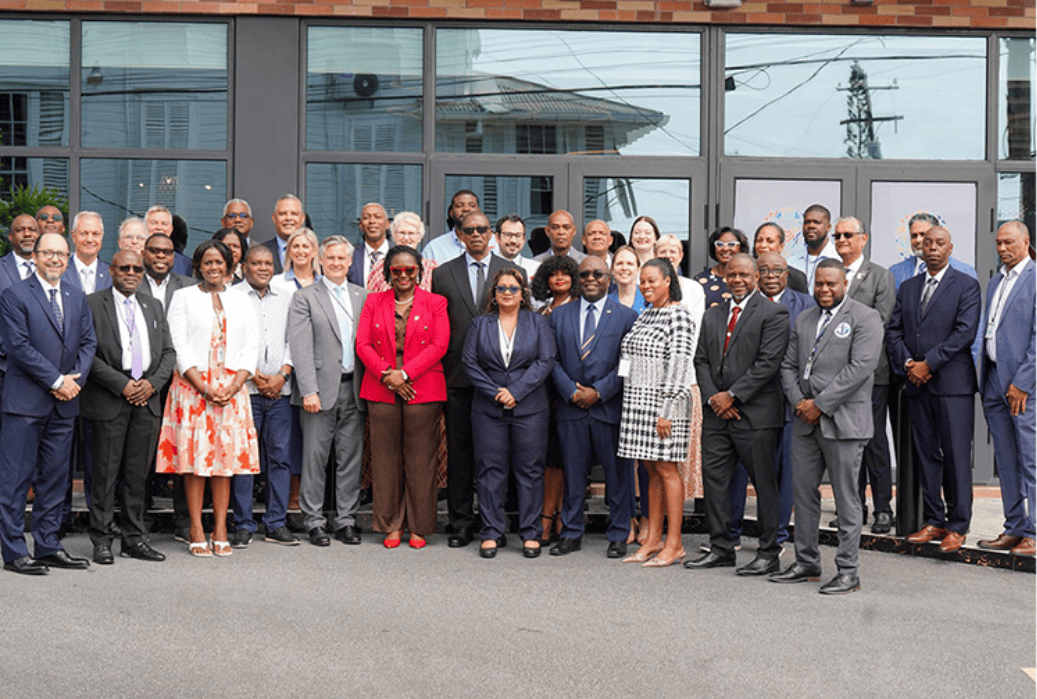
The fifth Regional Meeting of Directors and Heads of Maritime Administrations (DIHMAR5), held in Guyana in late June, delivered more than a regional policy discussion. By launching a new legal cooperation initiative and identifying common technical priorities, Caribbean maritime authorities signalled a broader effort to strengthen the institutional foundations that support trade, shipping and port development across the region.
Maritime transport is the backbone of Caribbean trade, connecting island economies to regional and global markets. Against this backdrop, the gathering of senior maritime officials from 13 Caribbean Member States in Georgetown represented an opportunity not only to discuss regulatory matters, but also to advance a more coordinated approach to maritime governance.
Hosted jointly by the International Maritime Organization (IMO) Regional Presence Office for the Caribbean and the Guyana Maritime Administration Department (MARAD), DIHMAR5 focused on strengthening regional cooperation while shaping future technical assistance priorities under the IMO Integrated Technical Cooperation Programme (ITCP).
A stronger legal framework to support maritime development
The most significant outcome of the meeting was the launch of the Caribbean Smart Maritime Law Initiative (CARIBSMART-Law), a regional programme designed to help Member States modernise their maritime legislation and improve the implementation of IMO instruments and international maritime conventions.
Although primarily a legal and institutional initiative, its significance extends beyond regulatory compliance. More consistent maritime legislation can strengthen administrative capacity, improve the enforcement of international obligations and contribute to a more predictable operating environment for the maritime sector.
For ports, shipping companies and maritime administrations, stronger governance frameworks can facilitate cooperation across jurisdictions while supporting greater confidence in regional maritime systems.
Common priorities with operational implications
Participants also reviewed the region’s technical priorities, identifying areas that will guide future IMO cooperation in the Caribbean.
These include:
- maritime safety;
- marine environmental protection;
- port State control;
- maritime security;
- facilitation;
- seafarer training and development;
- institutional capacity-building;
- regional technical cooperation.
While these themes are often addressed individually, DIHMAR5 highlighted the importance of tackling them through a coordinated regional approach. Improved institutional capacity and technical cooperation can help administrations respond more effectively to evolving international standards while supporting more resilient maritime operations.
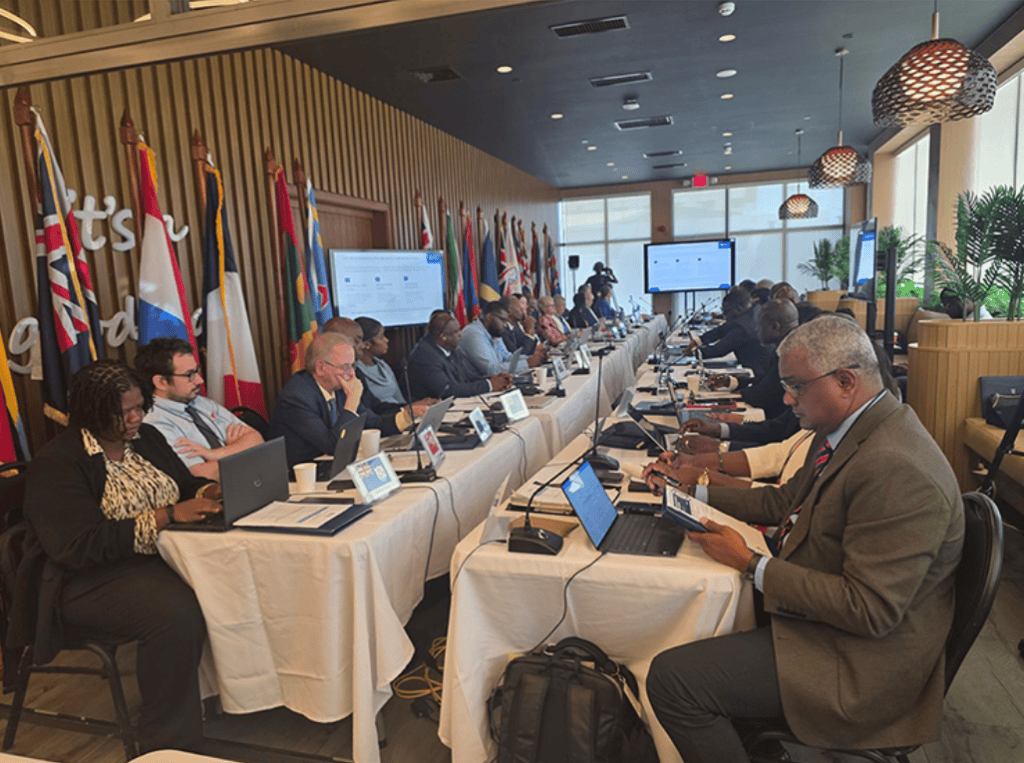
Governance as an enabler of economic resilience
The discussions in Georgetown also reflected a broader understanding of the relationship between maritime governance and economic development.
During the opening ceremony, Guyana’s Minister of Public Utilities and Aviation, Deodat Indar, noted that maritime transport accounts for more than 80% of global goods movement, underlining the strategic importance of regional collaboration in an increasingly interconnected trading environment.
His remarks linked maritime cooperation to wider economic priorities, including logistics, food security, environmental stewardship and regional resilience—areas that are becoming increasingly interconnected as Caribbean economies seek to strengthen supply chains and improve connectivity.
Guyana reinforces its regional maritime profile
Hosting DIHMAR5 for the first time also marked an important milestone for Guyana.
The country used the event to reaffirm its ambition to develop a modern, safe and sustainable maritime sector while positioning itself as an active contributor to regional cooperation.
Minister of Public Works Bishop Juan Edghill also encouraged delegates to broaden discussions beyond administrative matters by placing greater emphasis on the blue economy and the sustainable use of marine resources. His intervention reflected a growing regional recognition that maritime governance increasingly supports wider development objectives alongside shipping and port operations.
Looking beyond the meeting
DIHMAR5 was not characterised by major infrastructure announcements or new shipping agreements. Instead, its significance lies in the institutional direction it sets.
Through initiatives such as CARIBSMART-Law and a renewed focus on shared technical priorities, Caribbean maritime administrations are seeking to strengthen the governance structures that underpin the region’s maritime sector. While the practical impact will depend on implementation at national level, a more coordinated regulatory environment could gradually reinforce the conditions that support safer shipping, stronger regional cooperation and more efficient maritime trade.
Photo credit: International Maritime Organization (IMO)