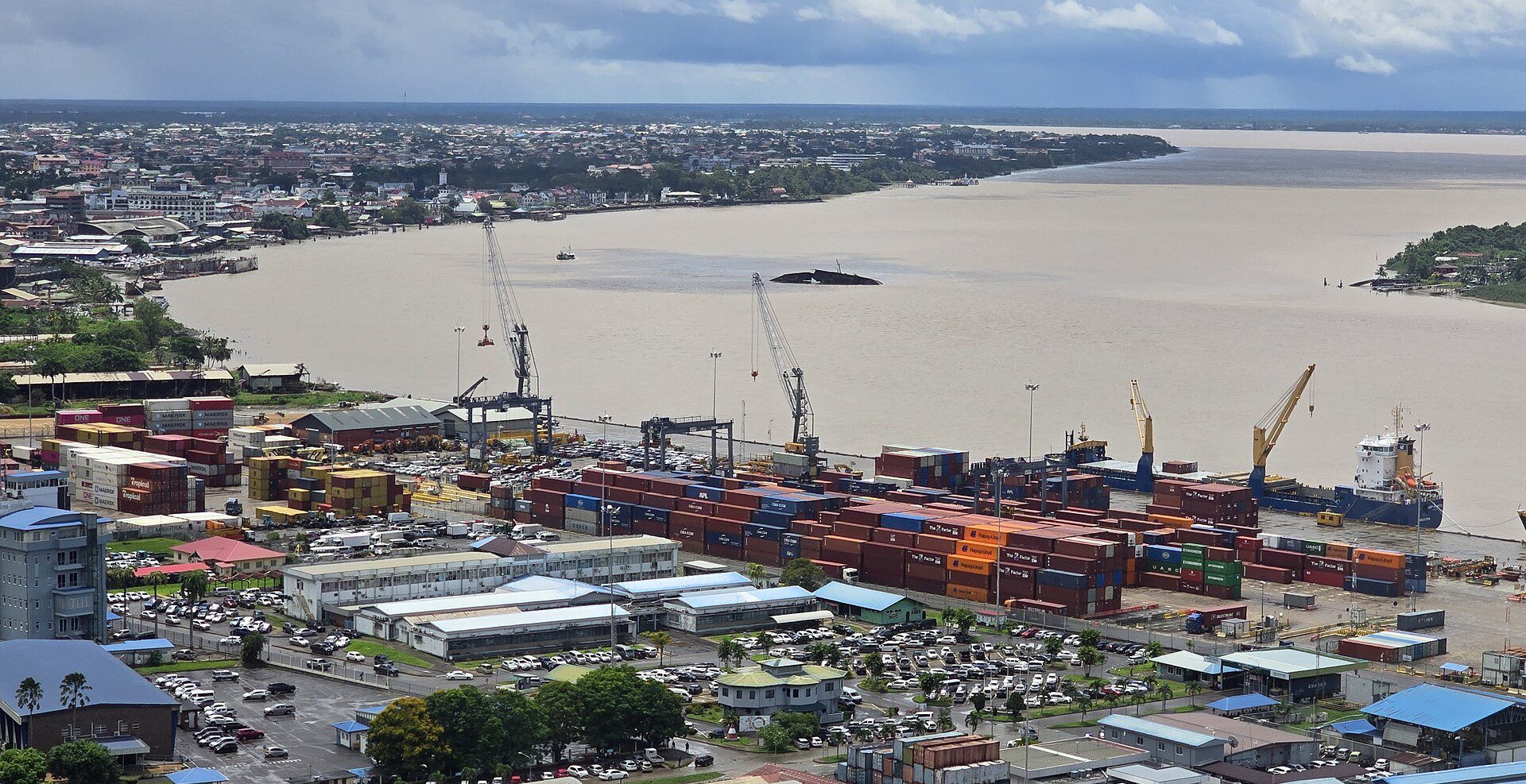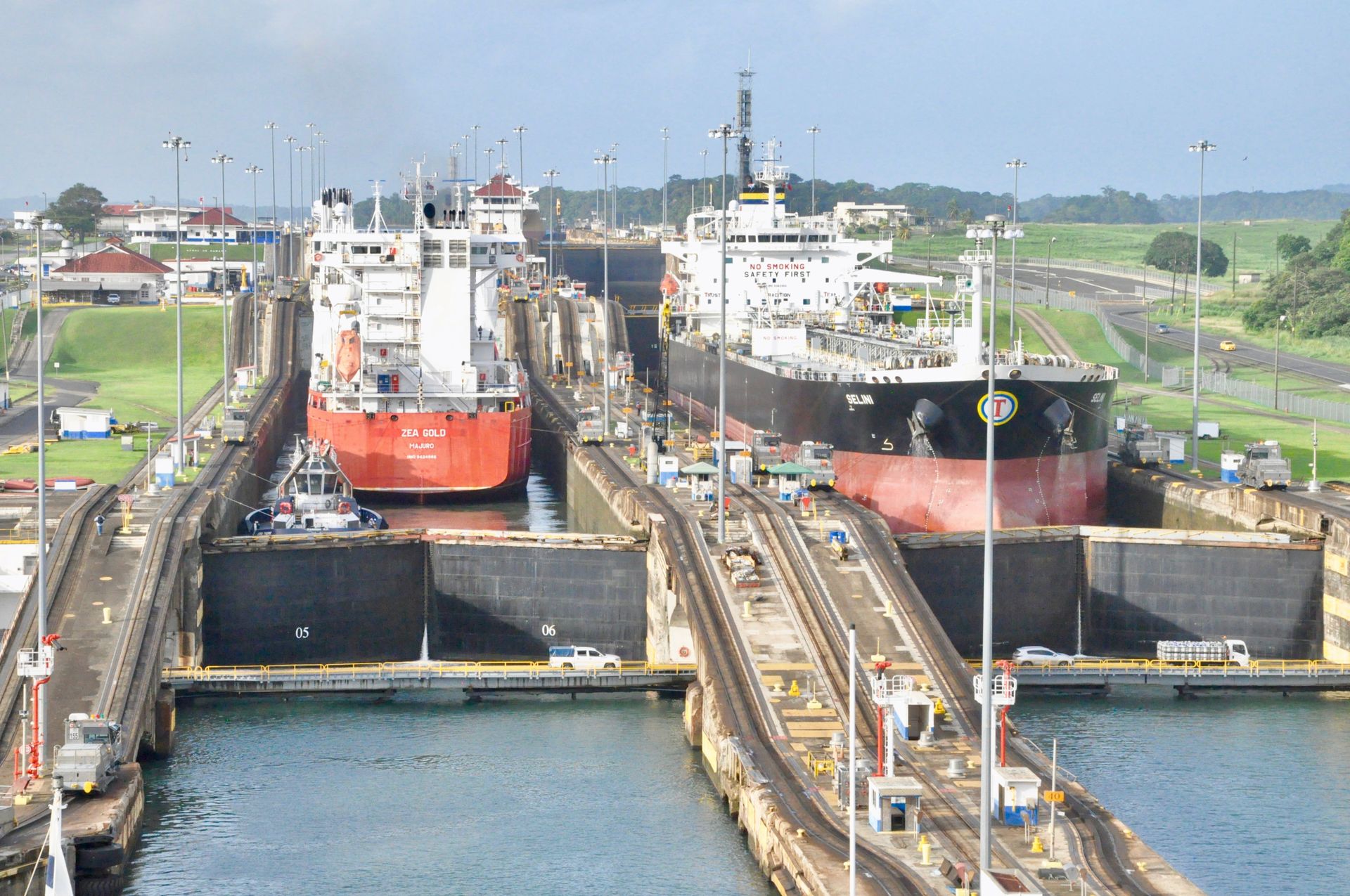

While global supply chains continue to expand and digitalize, logistics systems across Latin America and the Caribbean (LAC) remain unevenly connected at the regional level. Discussions during the LAC eFTI4ALL webinar pointed to a recurring challenge: despite strong international linkages, intra-regional integration remains limited, both in terms of physical flows and data exchange.
Against this backdrop, the emergence of digital freight frameworks such as eFTI raises a broader question: can standardized data systems help bridge these gaps and support more coordinated logistics across the region?
A region connected globally, but fragmented internally
One of the clearest takeaways from the session lies in this structural contradiction: the region is deeply connected to global trade flows, yet remains only loosely integrated within its own geography.
Serge Letchimy illustrated this imbalance in practical terms, noting that “we import a lot,” while “9 containers out of 10 leave empty or half-empty.” Beyond inefficiency, this points to a logistics system primarily designed around external supply chains rather than regional circulation.
He further suggested that current models “have not been designed to organize regional markets,” reinforcing a dynamic where the region operates more as a transit space than a value-generating one. In this context, global connectivity does not necessarily translate into regional cohesion.
Beyond infrastructure: the challenge of coordination
If infrastructure is often seen as the primary bottleneck, the discussions suggest a more complex reality.
Serge Letchimy framed logistics as a broader system that goes beyond physical flows, encompassing information, coordination, and decision-making processes. Without alignment across these layers, improvements in infrastructure alone may have limited impact.
Sandra Casanova provided a more operational perspective, observing that “information does not circulate easily” and that systems remain insufficiently connected. She pointed to “redundant controls” caused by a lack of interoperability, even between closely linked territories.
In practice, this results in parallel systems operating side by side, rather than as part of a unified regional framework. The issue, therefore, is not only about moving goods more efficiently—but about enabling actors to operate within a shared system.

Data as a missing layer in regional integration
Across the different interventions, one element consistently emerges as a gap: data.
Sandra Casanova highlighted the absence of structured information, noting the lack of “statistics and an observatory with data collection and exploitation.” This limitation reduces visibility across supply chains and constrains both planning and coordination.
Without shared standards or real-time data, operators face fragmented information environments, making it more difficult to anticipate disruptions or optimize flows. In this sense, data does not simply support logistics—it underpins its effectiveness.
This suggests that regional integration may not only depend on infrastructure and policy alignment, but also on the ability to build a shared data layer across the ecosystem.
eFTI as a potential enabler, not a solution
Within this context, the eFTI framework was presented as a possible step toward greater coordination.
Sandra Casanova described it as “a common language of harmonized data,” enabling “secure exchanges between operators and public authorities” and facilitating “real-time data and traceability of flows.” The objective is not only to digitize processes, but to create a shared structure for how information is exchanged.
From a technical standpoint, Heiti Mering emphasized the shift away from paper-based systems, stating that “we don’t need to follow the process which is at the moment based on papers.” Instead, digital platforms could support more fluid exchanges—provided that interoperability and security are ensured.
At the same time, the discussions suggest that such tools remain conditional in their impact. Their effectiveness depends on widespread adoption, alignment between stakeholders, and the ability to integrate with existing systems. In that sense, eFTI appears less as a solution in itself than as a framework that could enable change under the right conditions.
Regional frameworks already exist
Importantly, the region is not starting from a blank slate.
Dr. Pauline Yearwood pointed to the existing transport policy frameworks within CARICOM, which aim to ensure “adequate, safe, and internationally competitive transportation services” to support regional development. She also stressed that “air and maritime transport is critical” in a context where most countries are separated by sea.
These elements suggest that the institutional foundations for integration are already in place. However, translating policy into operational coordination remains a challenge.
In this context, digital freight frameworks could complement existing structures by providing tools that support execution—rather than replacing the need for policy alignment.
From ambition to execution
A recurring tension throughout the webinar lies between ambition and implementation.
On one hand, there is a clear willingness to strengthen regional integration, supported by institutional frameworks and strategic positioning. On the other, operational realities—fragmented systems, limited data sharing, and coordination gaps—continue to slow progress.
Digital tools may help reduce some of these frictions, but their impact depends on how they are deployed and adopted across the ecosystem. As suggested during the discussions, improving integration requires not only technological solutions, but also alignment between public and private actors.
Conclusion – Integration remains conditional
The discussions suggest that digital data frameworks could contribute to deeper logistics integration across the region by improving information flows and coordination.
At the same time, integration appears to remain conditional. It depends not only on the availability of tools, but on the ability to align standards, ensure interoperability, and coordinate across multiple jurisdictions and stakeholders.
As the region continues to explore these approaches, the trajectory points toward a gradual shift rather than a rapid transformation. Digital freight may open new possibilities—but the extent to which these translate into tangible integration will likely depend on how these systems are implemented and adopted over time.