BermudAir has carried 281,853 passengers and flown 5.2 million nautical miles since launching three years ago. The Bermuda-based carrier is now moving beyond its start-up phase, combining a targeted North American network with passenger experience, cargo and holiday packages as it seeks to strengthen the island’s air connectivity.
Three years after launching commercial operations, BermudAir is using its anniversary to take stock of how far the airline has developed. Figures released by the carrier show 281,853 passengers flown, 208,686 checked bags and 5.2 million nautical miles covered since operations began.
For founder and CEO Adam D. Scott, however, the milestone is less about traffic than about establishing a locally based airline around Bermuda’s connectivity needs. Looking back at the first three years, Adam Scott said building an airline was not simply about “aircraft, schedules, or routes,” but about earning trust, creating opportunities and strengthening connections between Bermuda and the markets the airline serves.
From launch to 281,853 passengers
BermudAir operated its first commercial flight on September 1, 2023, initially connecting Bermuda with Boston and Westchester County before progressively expanding its network. Three years later, the airline’s anniversary figures identify Boston, Toronto, Orlando and Baltimore among its leading routes.
The 281,853 passengers carried over the period provide a measure of the scale BermudAir has reached from a small island home market. The airline’s cumulative 5.2 million nautical miles flown also reflects the expansion of an operation built primarily around direct connections between Bermuda and North American cities.
BermudAir’s development has come in a market where air access has a direct bearing on the island’s tourism economy. Bermuda recorded 199,193 leisure air visitors in 2025, down 1.9% from the previous year, according to the Bermuda Tourism Authority. Reduced airline capacity from several major U.S. gateways, including New York JFK, Boston, Philadelphia and Washington, contributed to the decline alongside weather-related disruption.
That wider context gives additional weight to Adam D. Scott’s stated objective of continuing to “strengthen island connectivity.” For Bermuda, maintaining direct links to key source markets is not simply a question of airline network development; it is part of the territory’s wider tourism accessibility.
Passenger experience becomes part of the proposition
BermudAir’s three-year figures also point to an effort to differentiate the airline through its onboard and customer proposition.
The carrier reports an average Net Promoter Score of 70 and an average loyalty score of 90% over its first three years. BermudAir also identifies seats 2A and 8A as its most frequently selected seats — a more anecdotal statistic, but one included alongside the airline’s broader passenger-experience indicators.
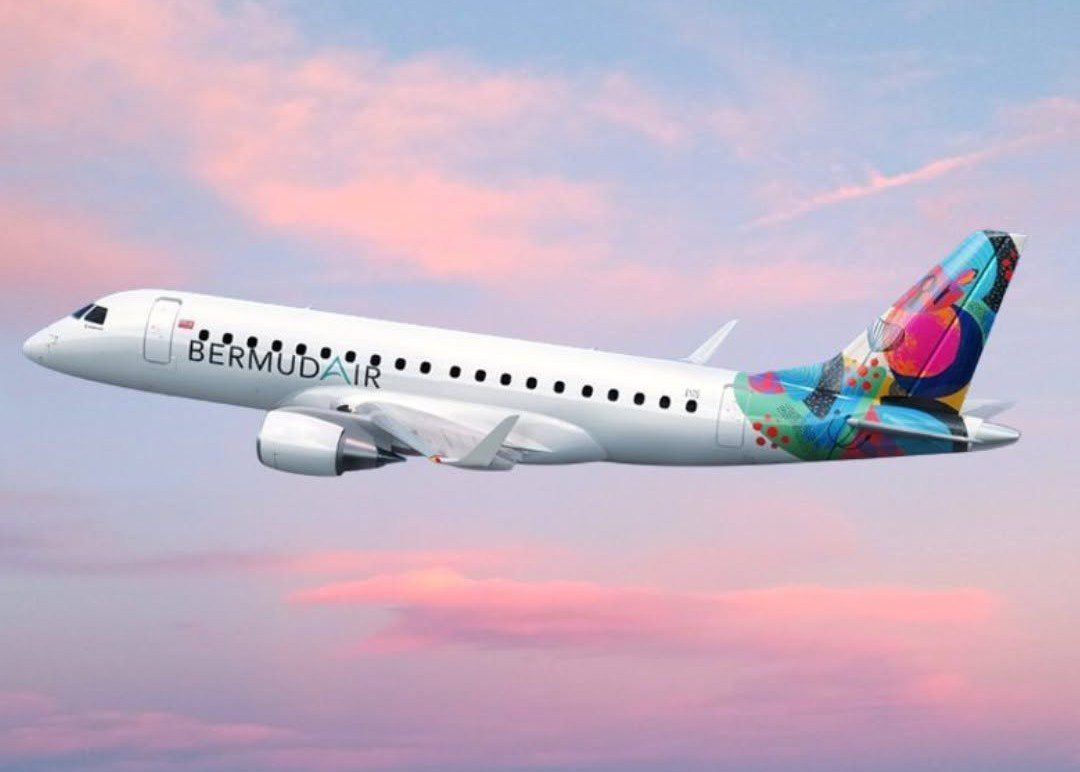
The product strategy is reflected in BermudAir’s aircraft configuration. The airline operates Embraer E175 and E190 aircraft and promotes a cabin without middle seats, an unusual proposition for short- and medium-haul services serving a relatively small island market.
Adam D. Scott places the passenger relationship at the centre of BermudAir’s development, highlighting travellers who have used the airline to reconnect with family, access new destinations or pursue professional opportunities. The emphasis suggests that retaining passengers is becoming as important to the carrier as adding new connectivity.
Moving beyond the airline seat
BermudAir’s anniversary figures also reveal the beginnings of commercial activity beyond passenger tickets.
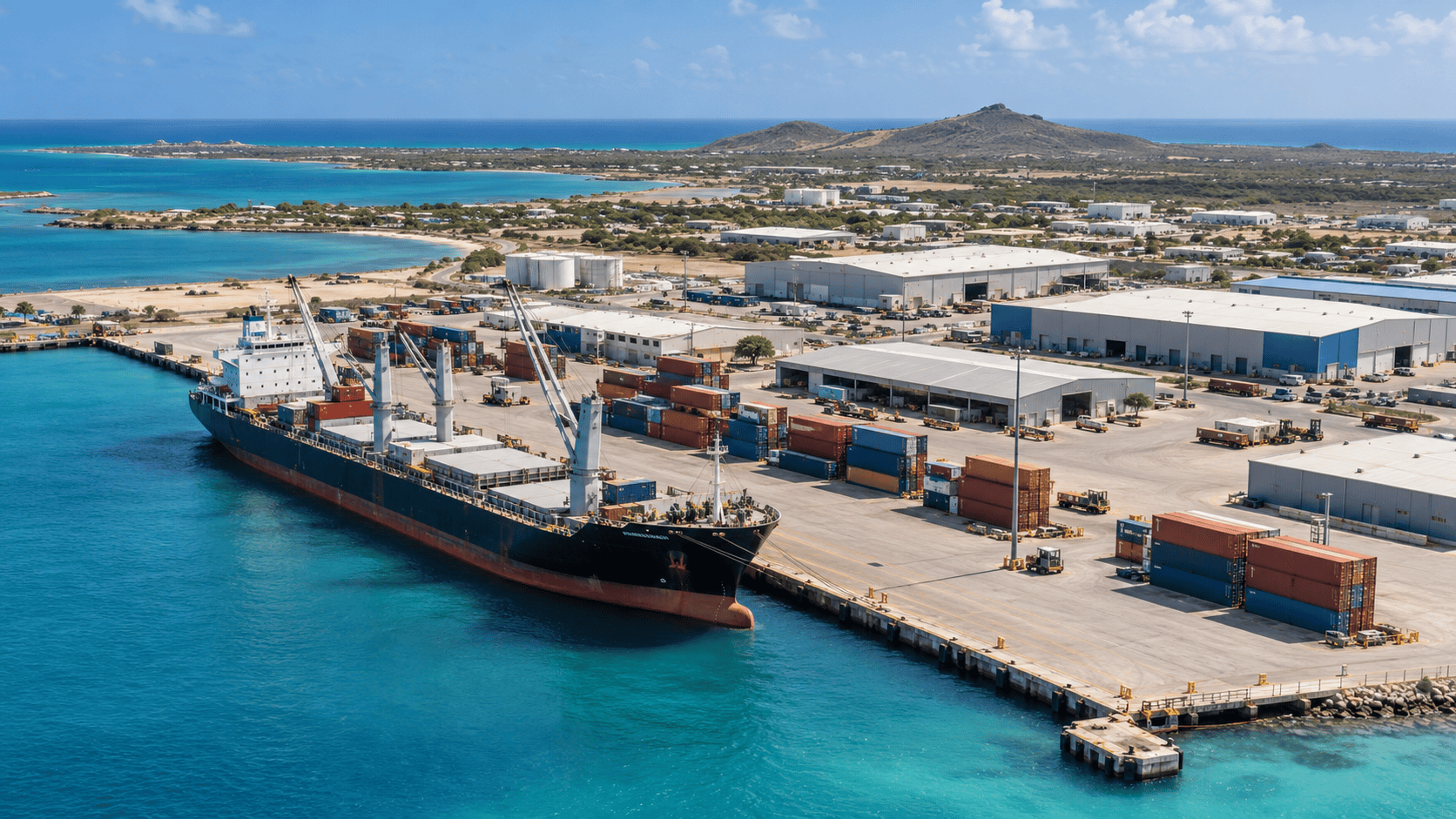
The airline reports transporting 95,359 lb of cargo during its first three years. The volume remains modest in global aviation terms, but cargo provides an additional function for an airline operating from an island economy where air links can serve both passenger and logistical needs.
More significant from a tourism perspective is the development of BermudAir Holidays. Since April 2025, the airline says its holiday packages have generated approximately 7,000 room nights, with Orlando, Toronto and Boston identified as the leading destinations.
The activity represents an early move into a broader part of the travel value chain. Instead of limiting the commercial relationship to transportation between Bermuda and a destination, BermudAir can combine the flight with accommodation and capture additional tourism-related activity around the journey.
BermudAir’s holiday business is still young, but the 7,000 room nights provide an early indication of how a small island carrier can use its network as the foundation for services extending beyond the aircraft seat.
159 employees and a wider organisation
The expansion of BermudAir is also visible in its workforce. The airline now reports 159 full-time employees across four countries, three years after its first commercial service.
BermudAir says nine languages are spoken across its workforce: English, Spanish, Portuguese, French, German, Italian, Dutch, Japanese and Ukrainian. The figures illustrate an organisation that has developed beyond the operational footprint of a start-up airline based solely around its home airport.
Adam D. Scott places particular emphasis on that human dimension in his anniversary message, describing the team’s “passion, determination” and commitment to passengers as one of the achievements he values most after three years.
The organisation has also had to build supporting customer infrastructure as it has grown. Since April 2025 alone, BermudAir says its contact centre has handled 66,852 customer interactions.
What comes after year three?
BermudAir enters its fourth year with a different challenge from the one it faced at launch. Establishing that a Bermuda-based airline could operate and build a passenger base was the first stage; the next is determining how far that model can scale.
The airline was already claiming a wider economic impact by its second anniversary. In September 2025, BermudAir estimated that its operations had generated nearly US$100 million in incremental economic benefit for Bermuda since launch. The figure is BermudAir’s own estimate, but it illustrates how the company views its role as extending beyond airline revenues to tourism, employment and connectivity.
Adam D. Scott’s third-anniversary message points in the same direction. BermudAir intends to continue growing while strengthening island connectivity, increasing its impact in the destinations it serves and creating opportunities for the communities dependent on those links.
After three years, BermudAir’s 281,853 passengers are therefore only one measure of its development. The emergence of holiday packages, cargo activity, a 159-person workforce and a passenger proposition built around loyalty show a carrier beginning to add layers around its core network. For BermudAir, the next phase will be about converting that foundation into sustainable scale while retaining the island-focused model on which the airline was built.
Sources: Adam D. Scott, Founder & CEO of BermudAir, LinkedIn post and BermudAir three-year anniversary infographic.