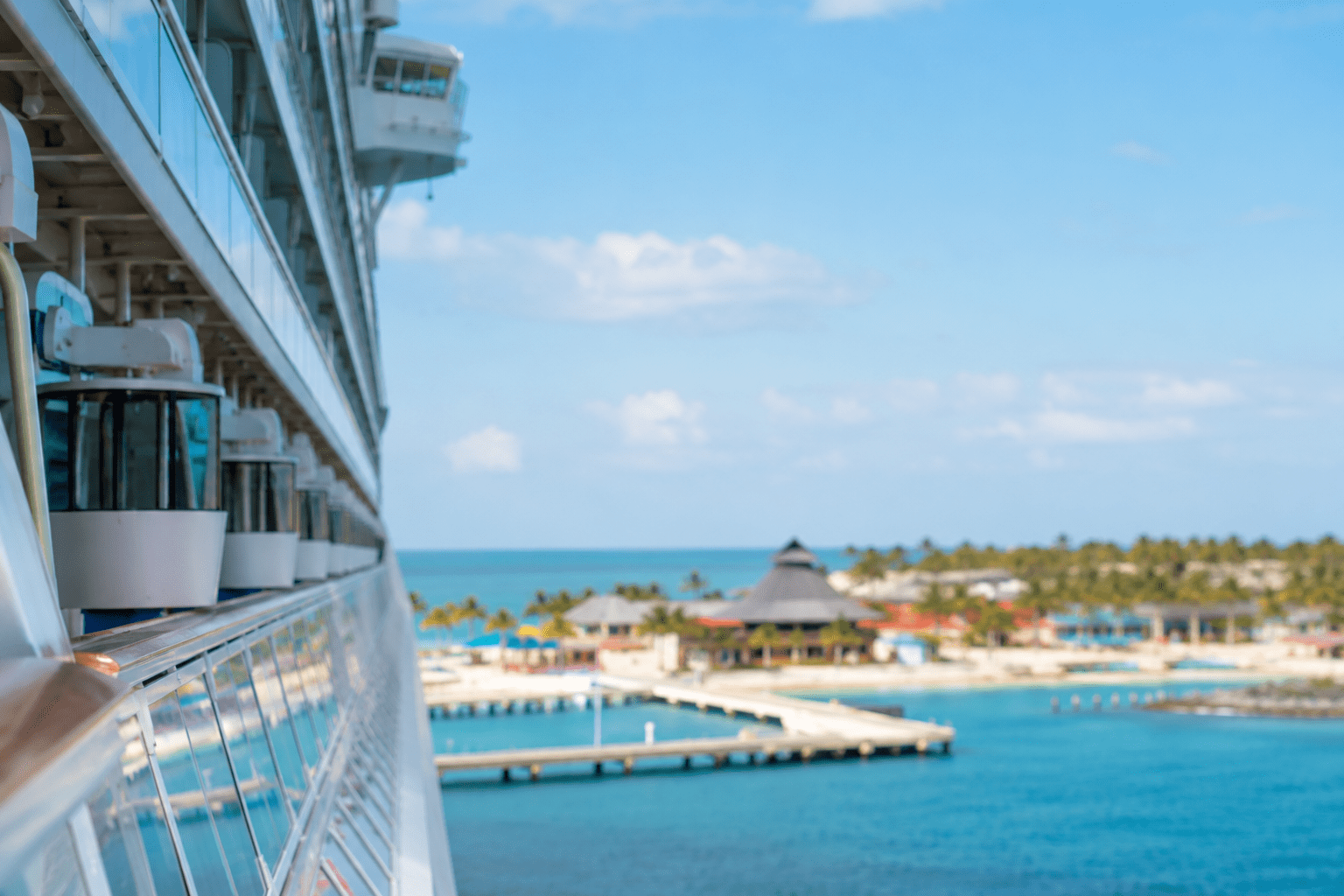
For years, Nassau dominated the cruise geography of The Bahamas. But the latest tourism data now points to a broader structural shift: private cruise destinations are increasingly redefining how visitors move across the archipelago, where they spend time, and which islands capture the strongest growth.
According to preliminary data published by the The Bahamas Ministry of Tourism, the country welcomed nearly 12.5 million foreign arrivals in 2025, including more than 10.6 million cruise passengers. Cruise tourism alone now represents the overwhelming majority of international visitor flows into the country.
Behind those headline figures, however, another transformation is becoming increasingly visible: the growing dominance of cruise-owned or cruise-controlled destinations across the Bahamian tourism landscape.
Nassau remains the country’s primary gateway. In 2025, Nassau/Paradise Island recorded more than 4.14 million cruise arrivals, far ahead of every other destination in the archipelago. But outside New Providence, several private destinations are now operating at scales comparable to major regional cruise ports.
Among the most striking examples is CocoCay, listed in the statistics as Lt. Stirrup Cay/Coco Cay, which surpassed 2.28 million cruise arrivals in 2025. Other private or cruise-focused destinations also posted massive volumes, including Ocean Cay with more than 707,000 cruise visitors, Great Stirrup Cay with 420,000, Half Moon Cay with 557,000, Castaway Cay with nearly 390,000, and Princess Cay with more than 344,000 arrivals.
Taken together, these destinations now account for several million cruise passenger movements annually across the Bahamian archipelago. The trend illustrates how cruise operators are no longer relying solely on traditional port infrastructure. Increasingly, they are developing highly controlled destination ecosystems designed around operational efficiency, passenger experience, and integrated tourism spending.
The impact of this model is particularly visible in Grand Bahama.
The opening of Celebration Key in July 2025 has already begun reshaping cruise traffic patterns across the island. According to the ministry’s preliminary first-quarter 2026 data, Grand Bahama recorded 414,612 first-port cruise arrivals during the first three months of the year, compared with just 98,263 during the same period in 2025 — a surge of more than 321%.
In March 2026 alone, cruise arrivals to Grand Bahama rose by 294.1% year-on-year. Such growth levels are exceptional even by Caribbean cruise standards and highlight how rapidly a new private destination can alter tourism concentration patterns inside the country.
The broader 2026 figures also show a widening gap between maritime and air tourism growth. By the end of the first quarter, total foreign air arrivals to The Bahamas were up 5.2% year-on-year, while sea arrivals had increased by 17.6%. The imbalance suggests that the country’s tourism expansion is increasingly being driven by cruise capacity growth rather than by traditional stayover tourism alone.
For Bahamian tourism authorities and infrastructure stakeholders, the evolution presents both opportunities and long-term strategic questions.
On one hand, private cruise destinations continue to generate enormous passenger volumes, support employment, stimulate port activity, and reinforce The Bahamas’ position as one of the world’s leading cruise markets. On the other, the model also concentrates a growing share of visitor flows inside highly controlled cruise environments where much of the tourism experience — and spending ecosystem — remains vertically integrated around the cruise operators themselves.
What is becoming clear is that private cruise destinations are no longer peripheral assets within the Bahamian tourism industry. They are increasingly becoming central pillars of the country’s visitor economy and are actively reshaping the geography of cruise tourism across the archipelago.