Peru’s airport development is entering a new phase beyond Lima. Speaking at WAGA 2026, Lima Airport Partners CEO Juan José Salmón said regional airports need faster modernization, with planned investments increasingly dependent on effective coordination between concessionaires and public authorities.
LIMA, PERU — The expansion of Jorge Chávez International Airport has transformed Peru’s main international gateway, but Juan José Salmón says the country’s next infrastructure challenge extends well beyond the capital.
Speaking during the WAGA 2026 press conference in Lima on September 28, Salmón, CEO of Lima Airport Partners and Chair of the ACI-LAC Board, pointed to significant modernization needs across Peru’s regional airport network.
Several regional airports operating under concession agreements already have investment programmes, master plans and technical files under development. Salmón said the challenge is now to ensure that public-sector processes allow those investments to move forward on time.
Lima’s expansion sets a new benchmark
The modernization of Jorge Chávez International Airport provides the backdrop to that discussion.
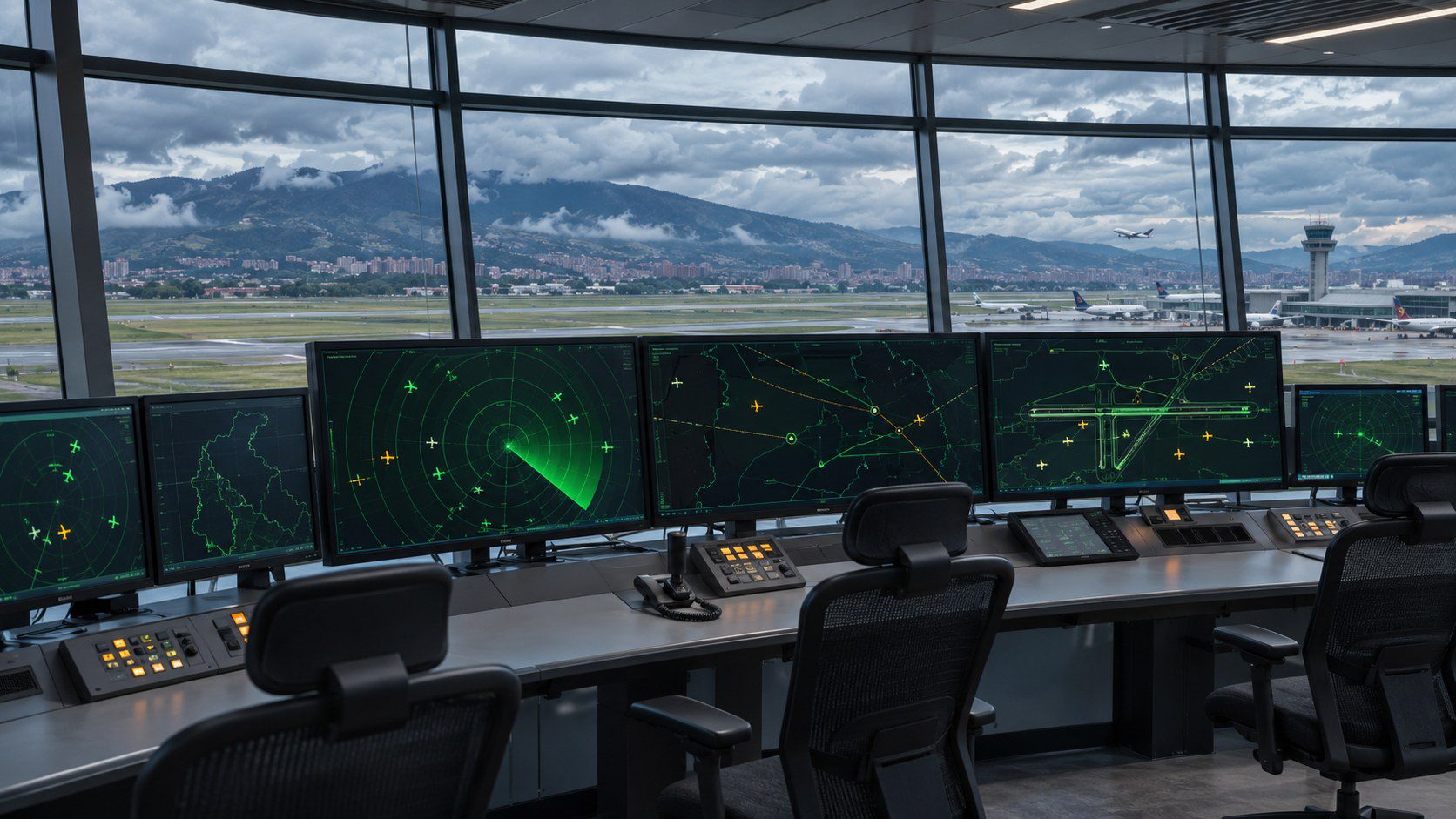
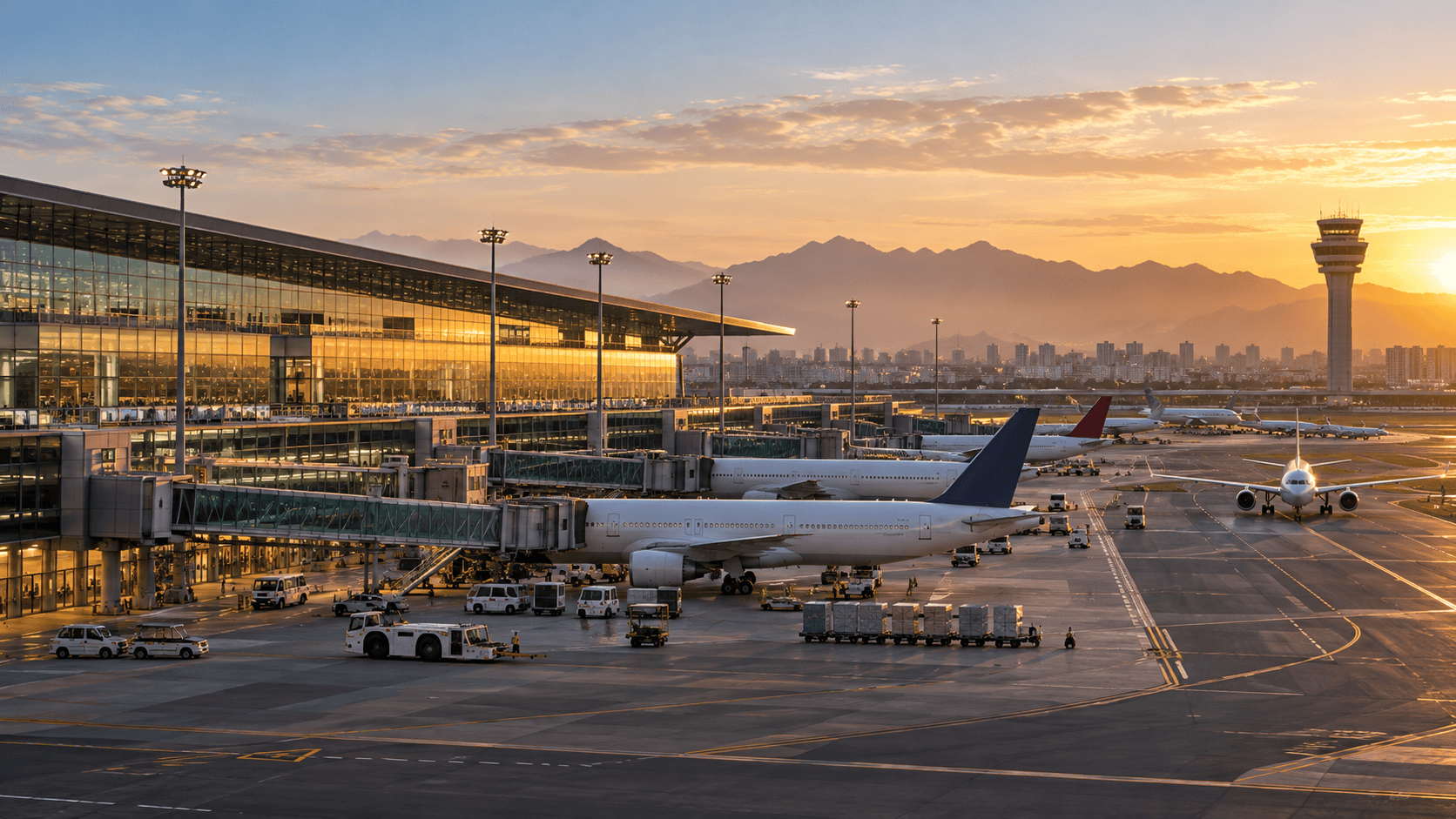
In a separate interview during WAGA 2026, Salmón said the Lima airport development represented an investment of around US$2 billion. The project included a new terminal, runway, control tower and supporting infrastructure.
Salmón said the new terminal was completed in June 2025 following roughly three years of construction. He described the wider development as a new gateway for Peru after a complex planning and delivery process.
But the scale of Lima’s transformation also raises a broader question for Peru: whether infrastructure outside the capital can develop quickly enough to support the country’s future connectivity.
Peru’s regional airports have investment plans in the pipeline
According to Salmón, the need to modernize Peru’s national airport network remains significant.
Several airports have been transferred to private operators under concession agreements and already have major investment plans under preparation. Operators are presenting master plans and technical documentation required to advance those projects.
For Salmón, however, having an investment programme is only part of the process. Public authorities also need to facilitate the approvals and procedures required for infrastructure projects to move from planning to execution.
That makes implementation a central issue in Peru’s regional airport modernization.
Concessionaires and the State share responsibility
Salmón placed particular emphasis on the contractual relationship between private airport operators and the State.
“As concessionaires, we are responsible for a contract, and the State is also responsible for fulfilling its obligations,” Salmón said in comments translated from Spanish during the WAGA 2026 press conference.
His argument is that both sides need to move together if planned airport investment is to be delivered within the agreed timeframe.
Under a concession model, private operators assume responsibilities for managing and developing infrastructure, but the public sector retains obligations that can affect approvals, execution and the overall timing of projects.
Salmón said airport concessions are ultimately intended to respond to infrastructure needs in the communities they serve. That requires projects to be delivered according to the timing, investment levels and quality commitments agreed by the parties.
Lima and regional airport development are financially connected
Peru’s concession structure also creates links between Lima Airport and investment elsewhere in the country.
During WAGA 2026, Salmón explained that regional airports operating under co-financed concession arrangements receive part of the funding associated with the Lima Airport framework.
The model illustrates how the performance of Peru’s primary gateway can contribute to the development of other parts of the national airport network.
But Salmón’s message was that financing mechanisms alone are not enough. Investment still depends on projects being approved and implemented within appropriate timelines.
Regional airport modernization is also about connectivity
For Juan José Salmón, the modernization of Peru’s regional airports goes beyond the construction of terminals, runways or other facilities.
Airport investment can support better connectivity, tourism development, private investment and employment, particularly in territories where aviation infrastructure plays a major role in connecting communities with Lima and international markets.
That makes the regional network an increasingly important part of Peru’s wider aviation strategy.
Jorge Chávez International Airport may provide the country with a stronger international gateway, but the benefits of Lima’s expanded infrastructure will also depend on how effectively Peru’s regional airports can connect passengers, destinations and economic activity with the rest of the national network.
The next phase of Peru’s airport development will therefore be shaped not only by what has already been built in Lima, but by how quickly planned investment can now move forward across the country.
FAQ
What did Juan José Salmón say about Peru’s regional airports at WAGA 2026?
Juan José Salmón said Peru still has significant regional airport modernization needs and called for public authorities to facilitate the processes required for planned investments to move forward on time.
Are investment plans already being prepared for Peru’s regional airports?
Yes. According to Salmón, several airports operating under concession agreements already have investment programmes, master plans and technical files under development.
How much was invested in the expansion of Lima’s Jorge Chávez International Airport?
Juan José Salmón said during WAGA 2026 that the Lima airport development represented an investment of around US$2 billion, including a new terminal, runway, control tower and other facilities.
What role does the Peruvian State play in airport concessions?
According to Salmón, concessionaires and the State both have contractual responsibilities. Public authorities play an important role in enabling approvals and processes required for airport investments to be implemented.
Why are Peru’s regional airports important for connectivity?
Regional airports connect territories with Lima and wider domestic and international networks. Their modernization can support connectivity, tourism, investment and employment across Peru.
Source: comments by Juan José Salmón during the WAGA 2026 press conference in Lima on September 28, 2026, supplemented by a separate interview with Salmón during WAGA 2026.