

The Panama Canal Authority (ACP) has launched an international tender process for the development of a 76-kilometre interoceanic energy pipeline and two new container terminals on the Atlantic and Pacific coasts, marking a significant step in the country’s strategy to expand its logistics and energy infrastructure beyond the canal itself. The prequalification phase, officially opened on 30 January 2026, invites experienced operators and infrastructure developers to submit their qualifications by 8 April 2026.
Interoceanic pipeline project targets energy flows between global markets
The first project involves the construction of a 76-kilometre pipeline designed to transport propane, butane and ethane across the isthmus, with a maximum capacity of up to 2.5 million barrels per day. The infrastructure will include marine terminals on both the Atlantic and Pacific coasts, capable of accommodating Very Large Gas Carriers (VLGCs) and Very Large Ammonia Carriers (VLACs), as well as land-based terminal facilities.
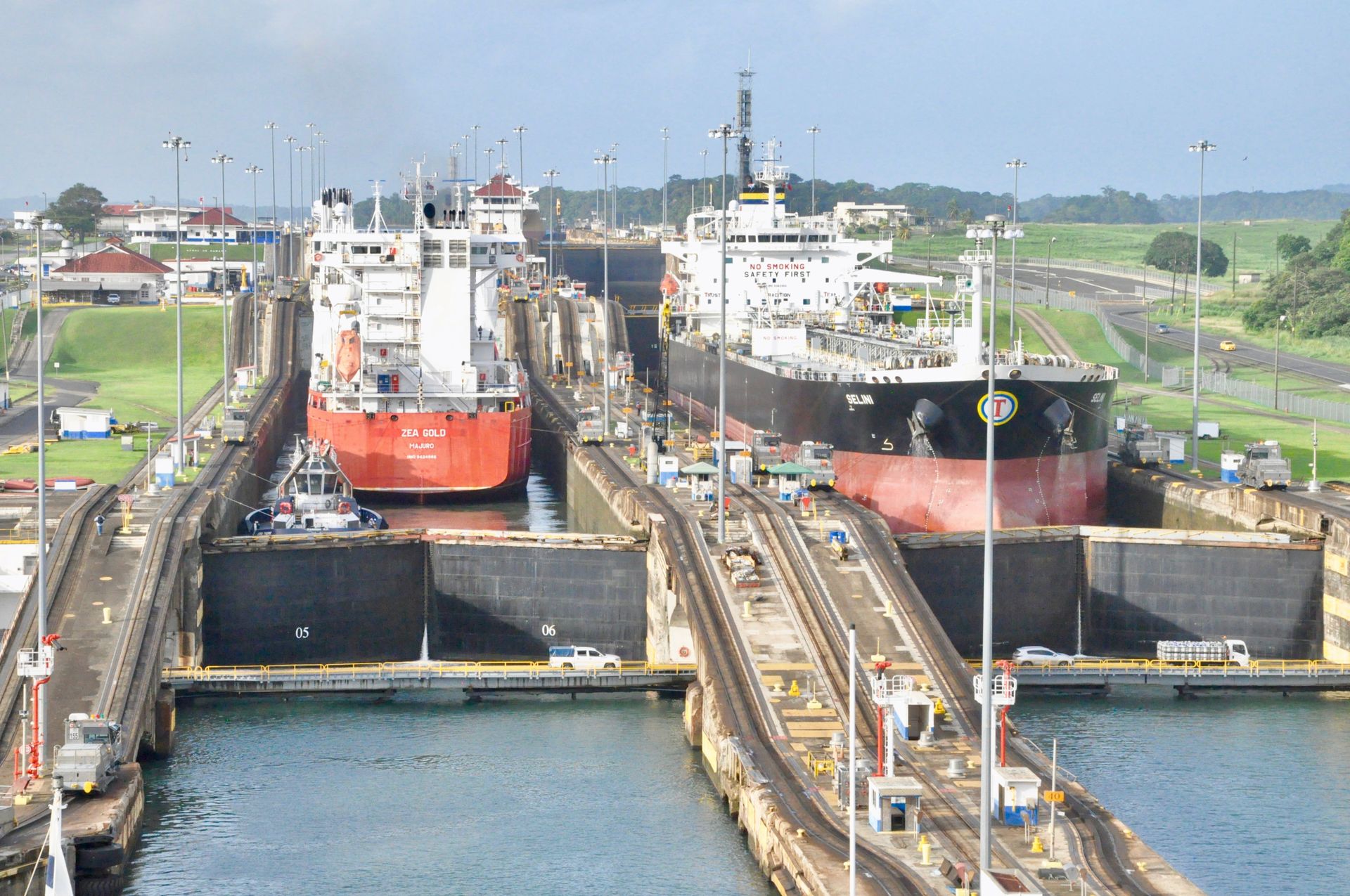
By enabling direct transfer of energy products between oceans without transiting the canal’s lock system, the pipeline will create a dedicated interoceanic energy corridor. This system is expected to reduce operational constraints associated with canal transits while providing a more efficient transfer route for liquefied gases and related products moving between the Gulf of Mexico, Latin America and Asian markets.
New container terminals aim to increase capacity and reduce congestion
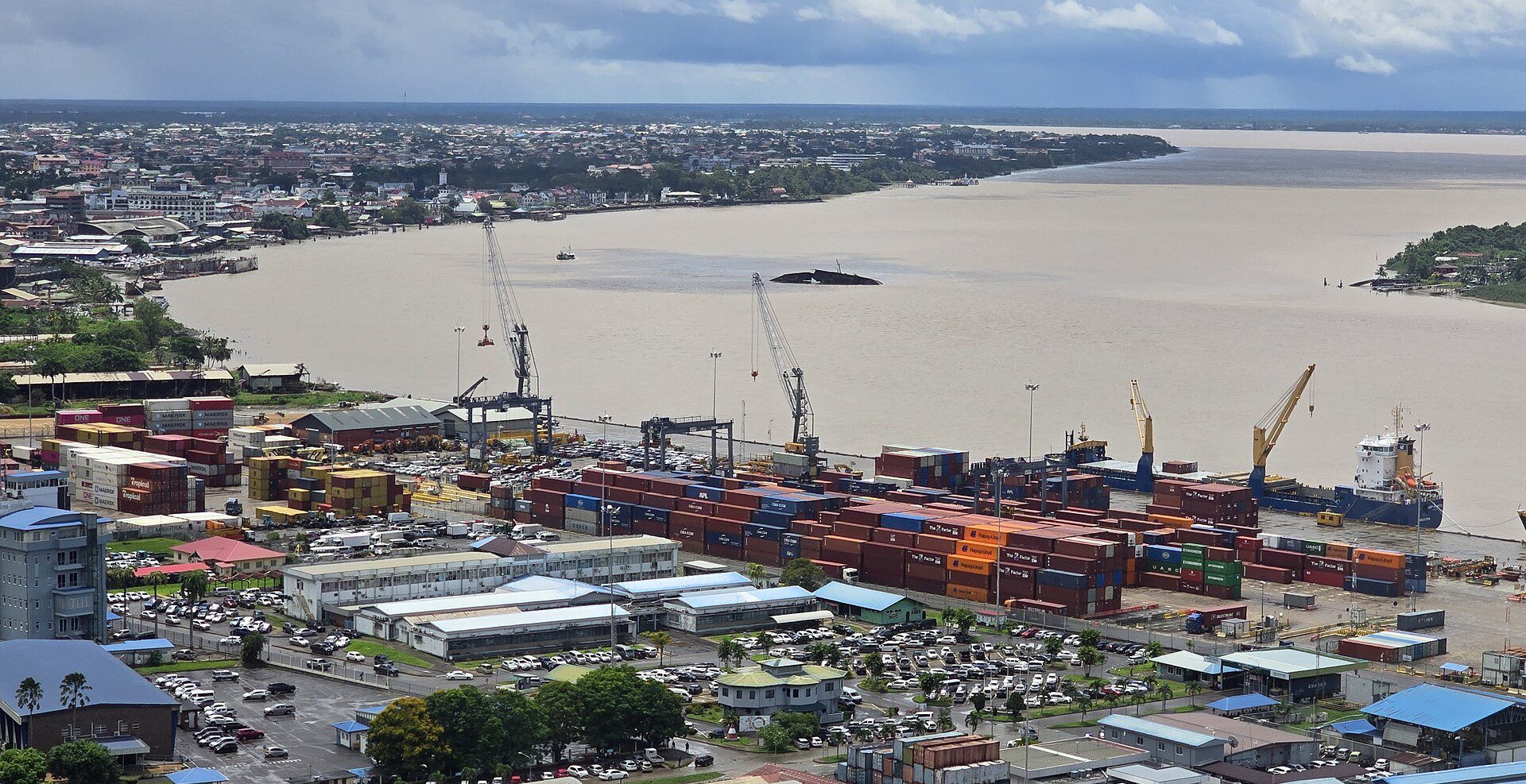
In parallel, ACP is advancing plans to develop two separate container terminals under the Corozal and Telfers Container Terminals initiative. The new facilities will be located on Panama’s Pacific and Atlantic coasts and are intended to address capacity constraints and congestion affecting existing port infrastructure.
The terminals will be designed to accommodate Neopanamax vessels and support high-volume transshipment operations. Their development will follow a phased approach, creating independent and competitive facilities intended to strengthen Panama’s position as a regional and global logistics hub.
Applicants for the container terminal concessions must demonstrate substantial operational experience, including the operation of at least six container terminals with a combined annual throughput of no less than six million TEU, as well as experience in developing a container terminal with a minimum capacity of one million TEU within the past ten years.
Structured concession process underway with selection expected in 2027
The tender process will be conducted in multiple stages, beginning with the current prequalification phase. Shortlisted candidates will subsequently participate in a request-for-proposals stage, during which ACP will provide draft concession agreements and conduct private consultations with bidders. Final proposals will then be evaluated, with concession awards expected approximately 14 months after the initial prequalification phase.
For the pipeline project, applicants must also demonstrate experience developing comparable infrastructure within the past 15 years, reflecting ACP’s intention to attract established global operators with proven technical and financial capabilities.
Strategic expansion reflects Panama’s broader logistics diversification
The launch of these tenders reflects a broader strategic effort by Panama to diversify and strengthen its role within global logistics and energy supply chains. While the canal remains one of the world’s most critical maritime transit routes, the development of complementary infrastructure—including new terminals and an interoceanic energy corridor—will expand the country’s capacity to handle growing volumes of containerized cargo and energy products.
The timing of the tender process follows recent legal developments affecting existing port concessions, underscoring the evolving competitive landscape within Panama’s port sector. Against this backdrop, the new infrastructure projects are expected to enhance operational flexibility, increase capacity, and reinforce Panama’s long-term position as a key interoceanic logistics platform.
As global trade and energy flows continue to evolve, the pipeline and terminal initiatives represent a significant step in Panama’s transition toward a more integrated logistics and energy hub, extending its role beyond canal transit to encompass broader maritime and infrastructure capabilities.


One Response