
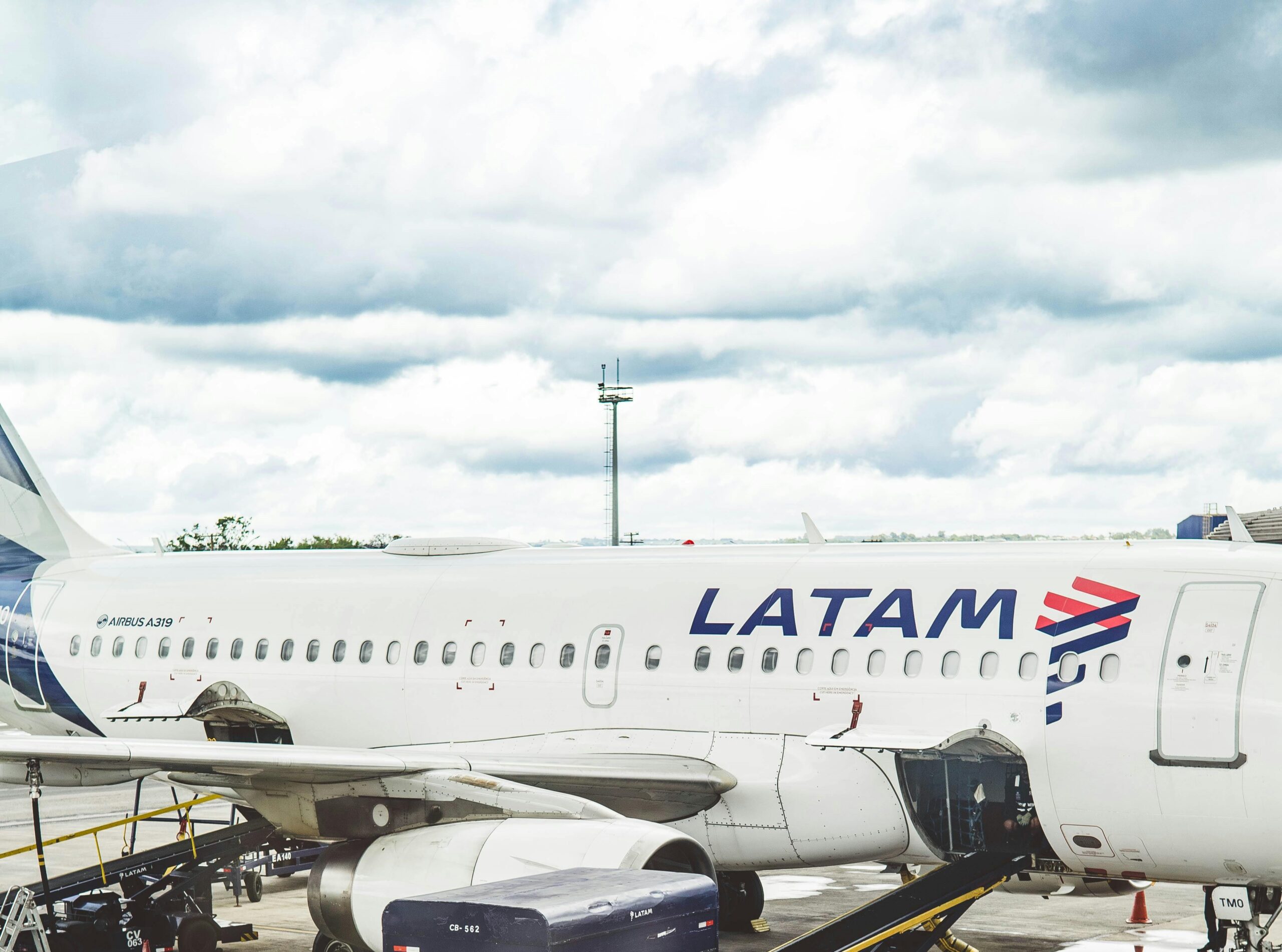
LATAM Airlines Group ended 2025 with strong financial and operational performance, confirming its recovery trajectory and reinforcing its leadership in the Latin American aviation market. The airline group reported net income of US$1.5 billion for the year and transported more than 87 million passengers, consolidating its position as the largest airline group in the Southern Hemisphere.
The results reflect a year marked by traffic growth, improved profitability and continued investment in customer experience, as the group seeks to strengthen its global competitiveness while maintaining disciplined financial management.
Strong financial performance supports profitable growth
In 2025, LATAM Airlines generated total operating revenues of US$14.5 billion, representing an increase of 11.2% compared with the previous year. Adjusted operating income reached US$2.4 billion, with an operating margin of 16.2%, an improvement of 3.5 percentage points year over year.
The group also reported adjusted EBITDAR of US$4.1 billion, corresponding to a margin of 28.2%, up 4.4 percentage points compared with 2024. According to the company, these results reflect the structural strength of LATAM’s business model and the benefits of a disciplined approach to capacity management and operational efficiency.
Performance remained strong in the final months of the year. During the fourth quarter of 2025, operating revenues reached US$3.9 billion, while net income attributable to shareholders totaled US$484 million, an increase of 78.1% compared with the same period in 2024.
Passenger traffic continues to expand across the network
Operationally, LATAM transported 87.4 million passengers in 2025, averaging more than 239,000 travelers per day across its network. Capacity increased by 8.2% compared with the previous year, reflecting a steady expansion of the airline’s operations across domestic and international markets in South America and beyond.
Passenger revenues were a key driver of growth, particularly during the fourth quarter, when they increased by 20.3%. The company attributed this performance to improvements in unit revenues and expansion in premium travel segments.
Cargo operations reinforce regional leadership
Alongside passenger traffic, LATAM’s cargo activity also played an important role in the group’s performance. The airline’s cargo affiliates transported more than one million tons of freight during the year, consolidating LATAM Cargo Group as the largest air cargo operator in the region.
This leadership was also recognized internationally when the group received the Cargo Airline of the Year award, highlighting the strategic importance of freight operations within LATAM’s diversified business model.
Financial discipline and strong liquidity position
LATAM closed the year with a liquidity position of US$3.7 billion, equivalent to 25.7% of revenues generated over the previous twelve months. The group’s adjusted net leverage ratio stood at 1.5x, reflecting a relatively moderate debt level following several years of balance sheet restructuring.
Strong cash generation — exceeding US$1.4 billion in 2025 — enabled the airline to allocate US$585 million to share buybacks while distributing dividends to shareholders. The company paid US$400 million in interim dividends in December, in addition to US$293 million in statutory dividends earlier in the year.
Continued investments in passenger experience
Beyond financial performance, LATAM Airlines continued to invest in improving the passenger experience across its network. Initiatives implemented during the year included the opening of a new LATAM lounge at Lima airport, updates to the Premium Business product and further development of onboard connectivity and cabin design.
Customer satisfaction indicators also improved. The group recorded a Net Promoter Score (NPS) of 54 points, the highest level in its history, while its Organizational Health Index reached a record score of 83 points, placing the company in the top decile of global benchmarks.
The airline’s loyalty program, LATAM Pass, also continued to expand, reaching 54 million members after adding four million new users during the year.
Strengthening its position in the global aviation market
LATAM’s operational and financial progress has also been accompanied by international recognition. In March 2026, the airline upgraded its rating to four stars in the Skytrax World Airline Star Rating, becoming the first airline in Latin America to reach this level under the global certification system.
The rating is based on independent audits evaluating the full passenger journey, including airport processes, onboard service, cabin comfort and interaction between crew and passengers.
These improvements reflect a broader investment strategy focused on enhancing the passenger experience, including upgrades to premium cabins, onboard connectivity and digital services.