With €336 million in investment, a fleet of 6,000 TEU vessels, and the doubling of shipping lines in Fort-de-France by 2027, the Marseille-based group is transforming Martinique and Guadeloupe into regional logistics hubs and sending a direct message to Latin American operators.
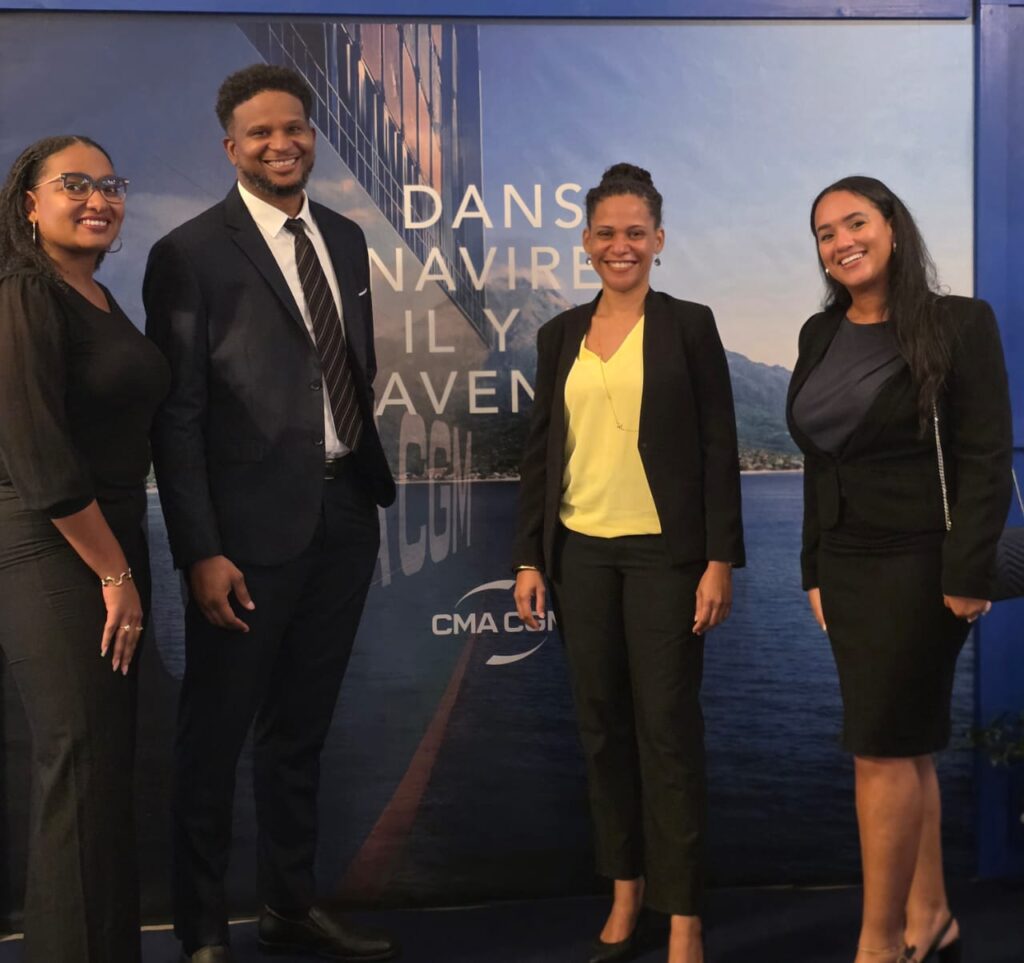
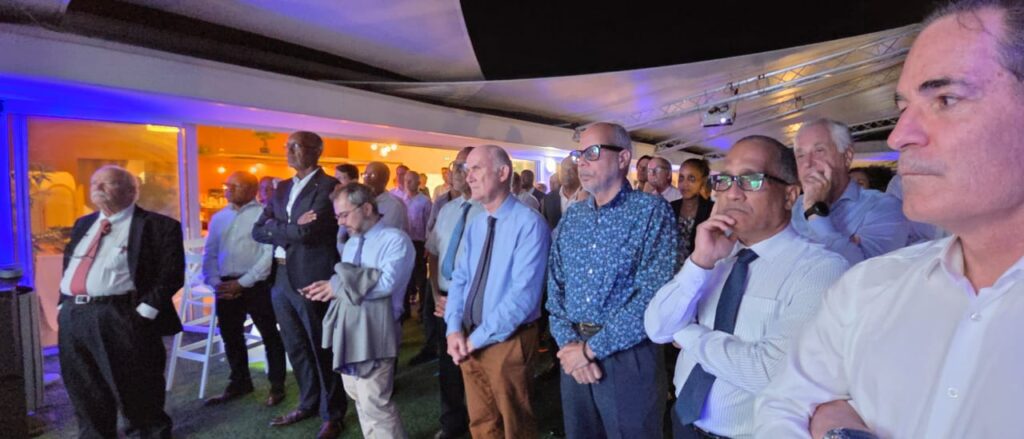
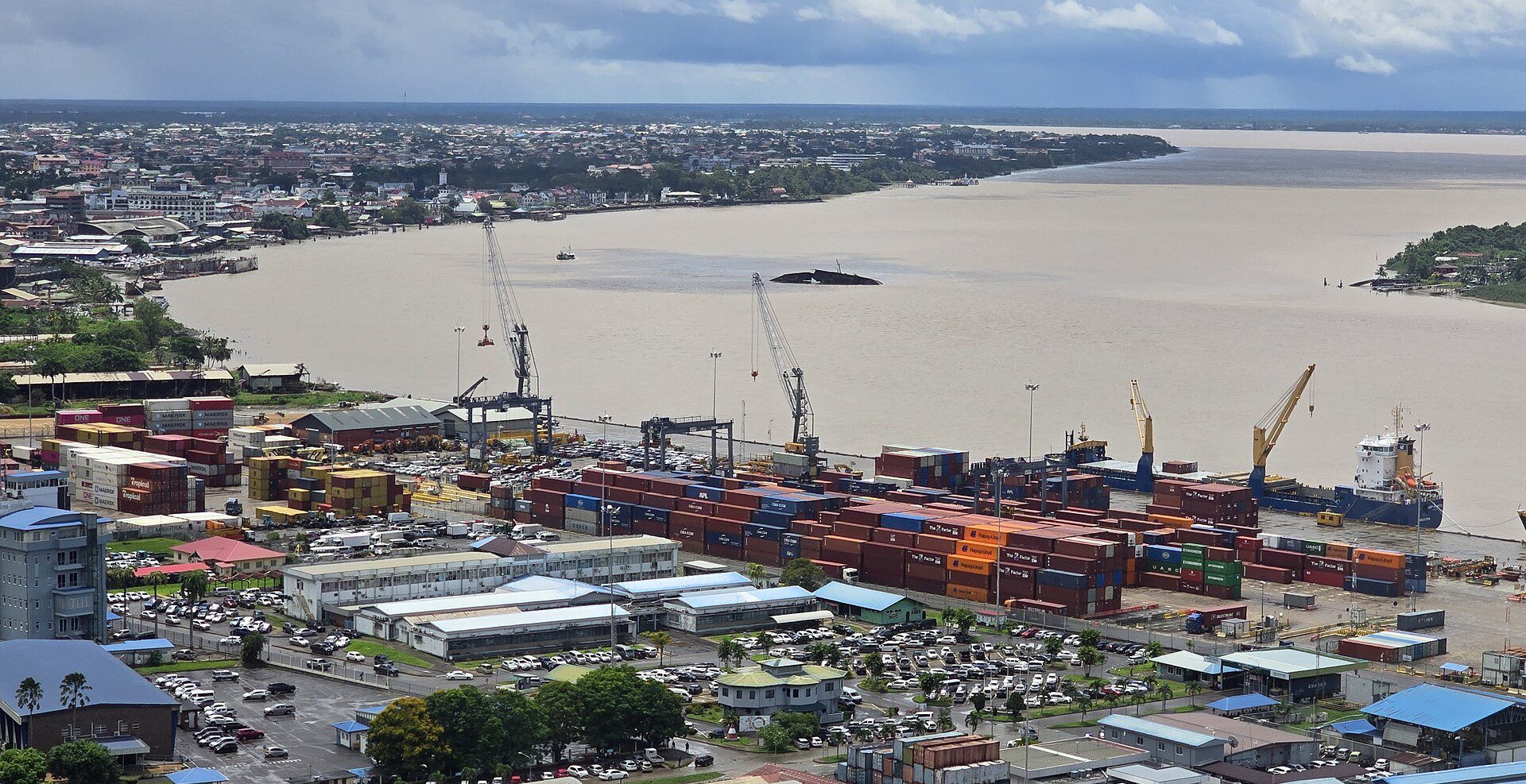
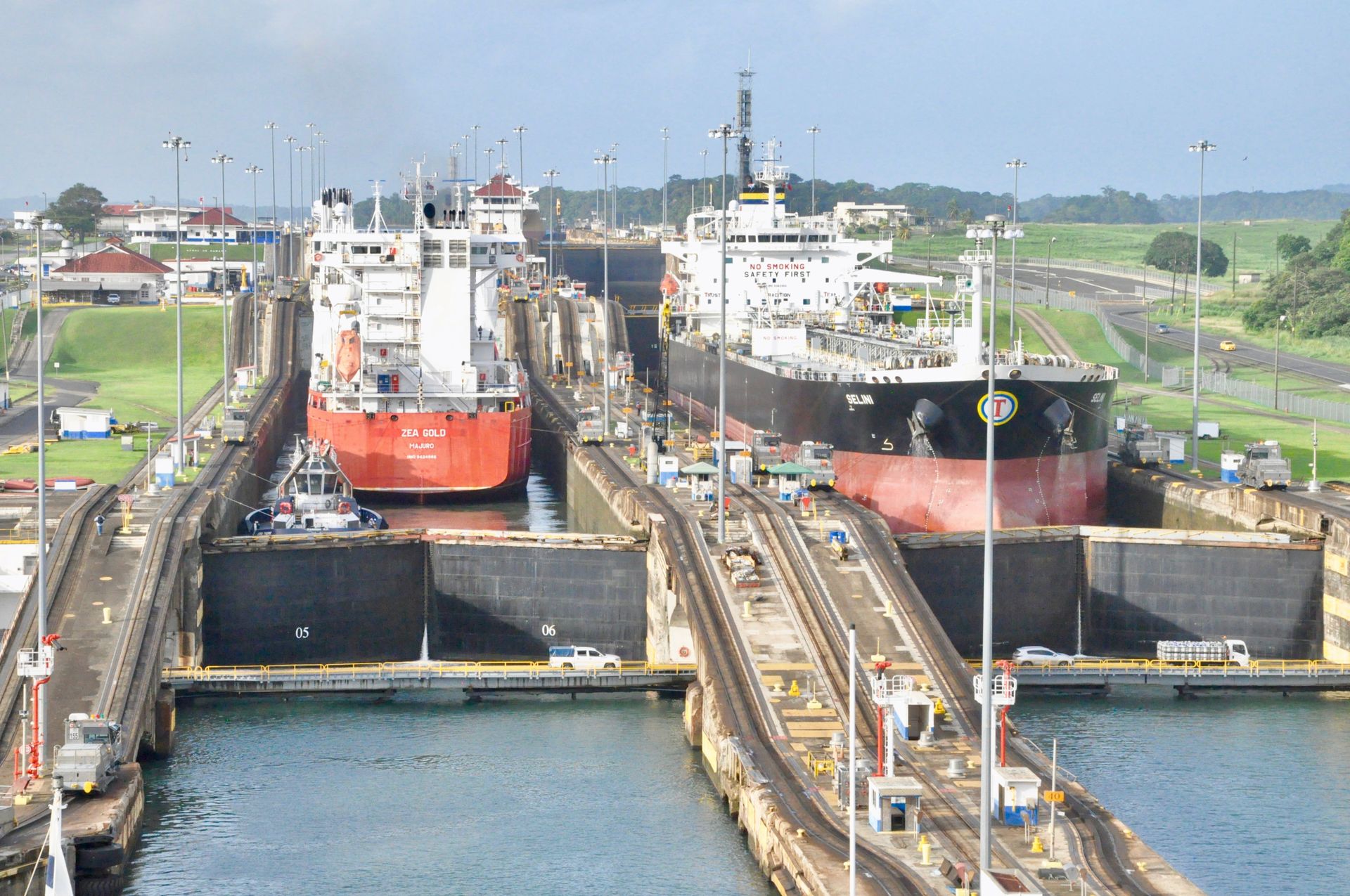
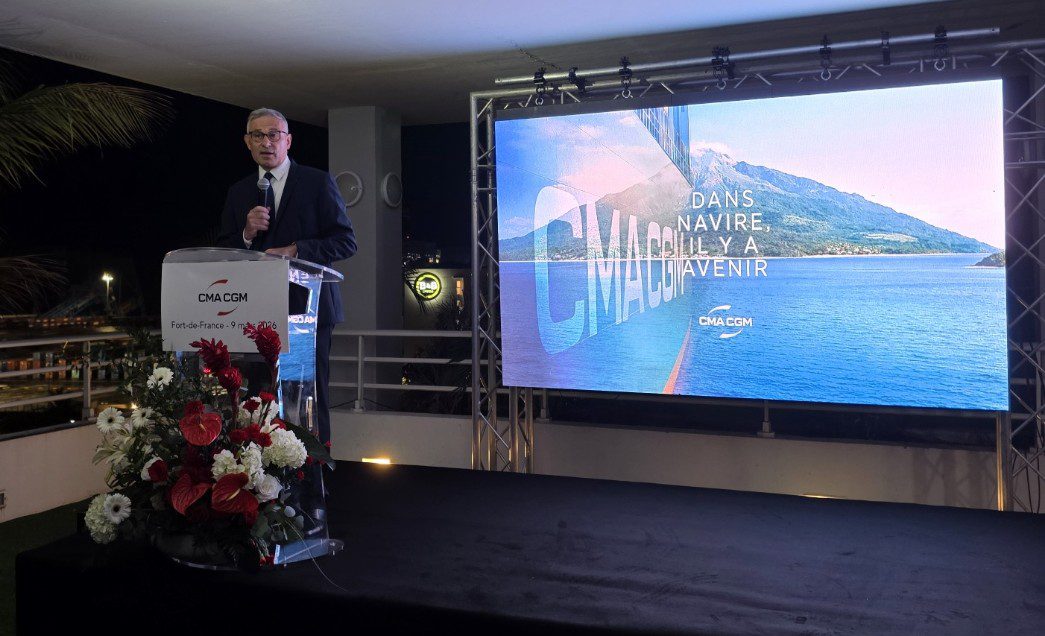
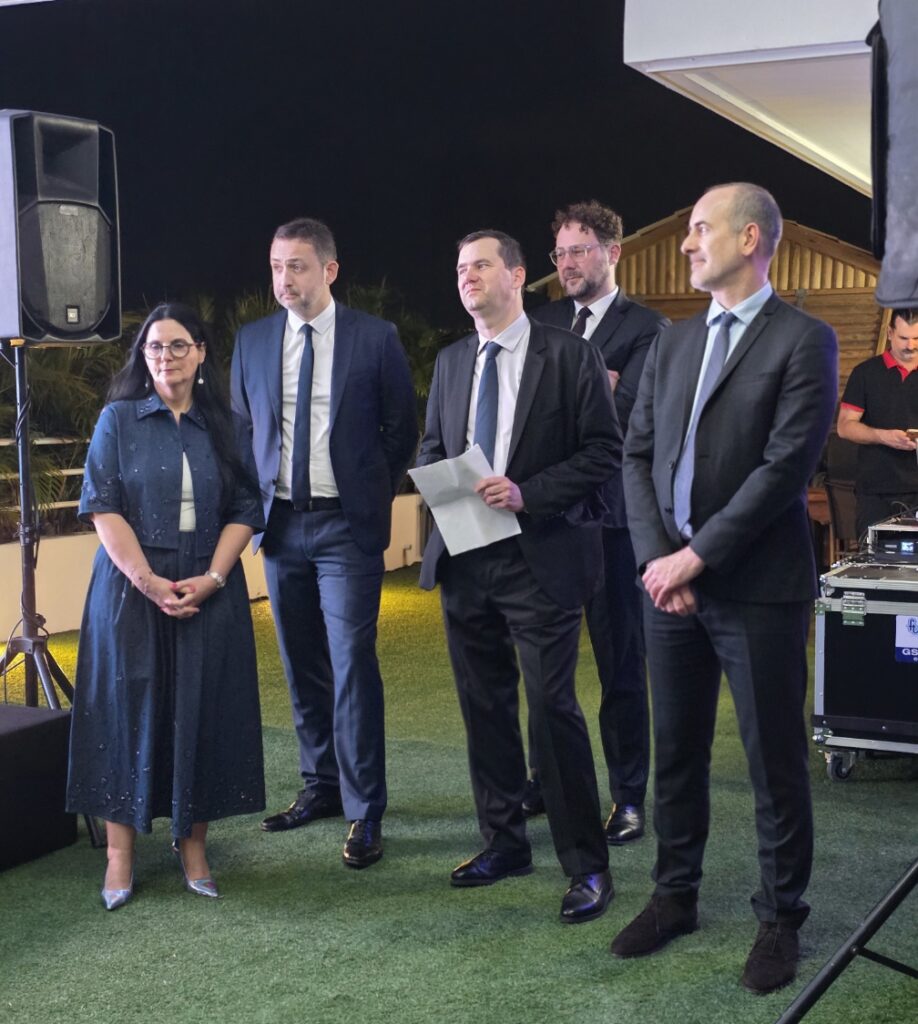
Facing an illuminated 6,000-TEU vessel operating through the night, from the ninth floor of the Poseidon building overlooking the Fort-de-France terminal, CMA CGM officially launched its PCRF XL service on March 9. The symbolism was deliberate: to demonstrate, in real time, what the hub means in practice. The event brought together the Prefect, senators and members of parliament, the President of the Chamber of Commerce and Industry (CCI), the Chairman of the Supervisory Board of the Martinique Port Authority, and numerous economic stakeholders from across the territory.
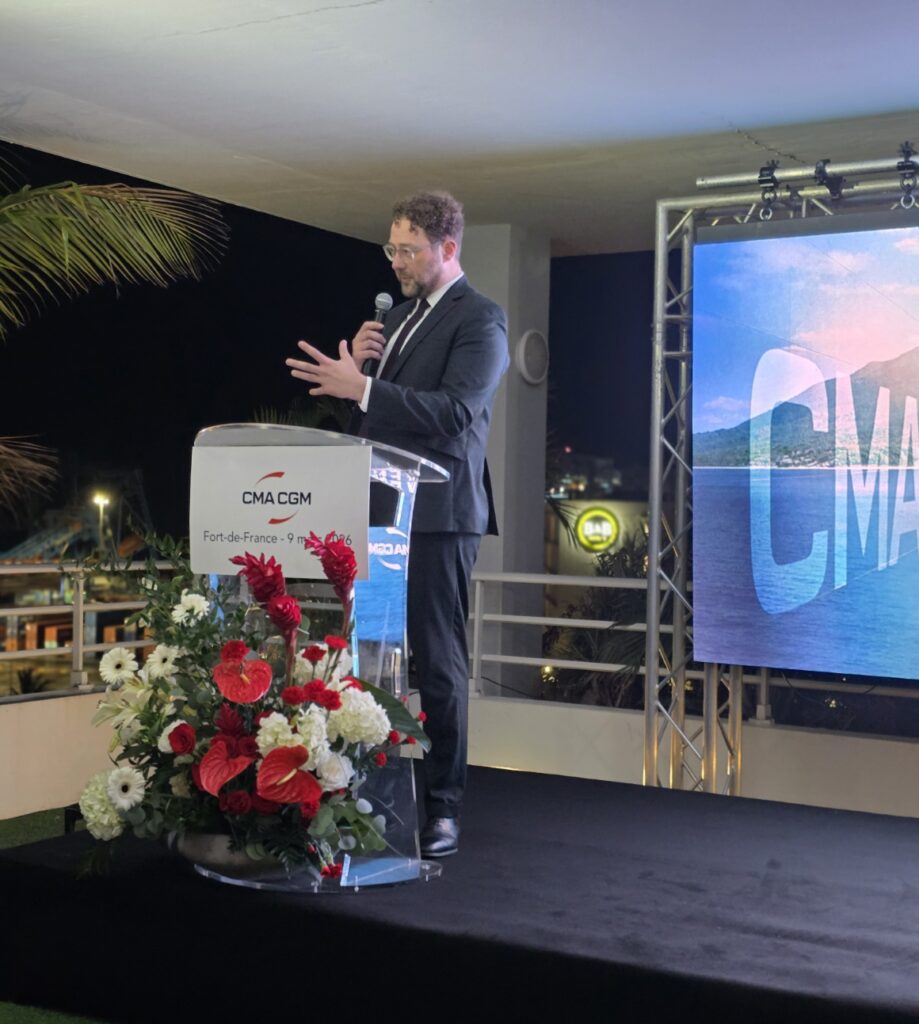
“The ambition is to turn the French West Indies into a regional logistics hub at the heart of the Caribbean.”
— Bertrand Bey, Director of Institutional Relations, CMA CGM Group
This program was officially launched on December 19, 2023, with a joint investment of 336 million euros involving CMA CGM, the French State, and the two Major Seaports (Grands Ports Maritimes) of Guadeloupe and Martinique. The objective is to increase the overall transshipment capacity of the two islands to approximately 300,000 TEU per year, compared to around 68,000 today—including 25,000 for Martinique and 28,000 for Guadeloupe. This project is accompanied by significant port works: increasing the port draft from 13.50 m to 14.50 m, extending the quay by 150 meters to allow for the simultaneous docking of two large vessels, and a 2,500 m² extension of the back-of-terminal container yard.
| CMA CGM HUB — MARTINIQUE & GUADELOUPE · KEY FIGURES |
| Total investment: €336M (including €257M in public infrastructure) |
| Target capacity: 300,000 additional TEU/year — vs. ~68,000 today (~25,000 Martinique, ~28,000 Guadeloupe) |
| CMA CGM lines in Fort-de-France: 3 today → 6 in 2027 |
| CMA CGM lines in the Caribbean zone: 19 in total |
| PCRF XL fleet: 7 vessels of 6,000 TEU — vs. 6 vessels in the previous configuration |
| Transit Le Havre–Martinique: 9 days (shortened by 2 days) · Dunkirk: 13 days (shortened by 4 days) |
| Reefer plugs: 800 (vs. 200 before the project) |
| Hybrid straddle carriers: 6 units delivered to Martinique |
| Martinique draft: 13.50 m → 14.50 m (end of 2026) |
| Completion horizon: 2027 |
From 1,700 to 6,000 TEU: three generations of vessels in 20 years
During the launch, Guillaume de Chastellux, Director of French West Indies-Guyana Lines, traced the evolution of the fleet: 1,700 TEU until 2006, 2,200 TEU from 2006 to 2019 with the Fort-Saint-Charles and Fort-Saint-Georges series, and then 3,500 TEU until 2025. Since January 2026, seven 6,000 TEU vessels have been deployed on the PCRF XL service—the last of the series joined the fleet earlier this month.
The line previously operated with six vessels. It now has seven. This additional vessel injects buffer time into the rotation—four days in Northern Europe, three days in the Caribbean zone—to maintain the schedule despite weather hazards. This is no minor detail: eight major climatic events disrupted European maritime transport between December 15, 2025, and February 8, 2026.
The restructuring of the rotation produces two direct and immediate effects for economic operators. First, the transit time from Le Havre to Martinique has been reduced from eleven to nine days, and from Dunkirk from seventeen to thirteen days, thanks to the addition of a Rotterdam call and a second Dunkirk export call. Second—and this is the change most anticipated by importers—vessels now arrive in Martinique on Monday or Tuesday, compared to Wednesday or Thursday previously. Unloading earlier in the week means stocking shelves before the weekend: a concrete operational gain for the entire local distribution chain.
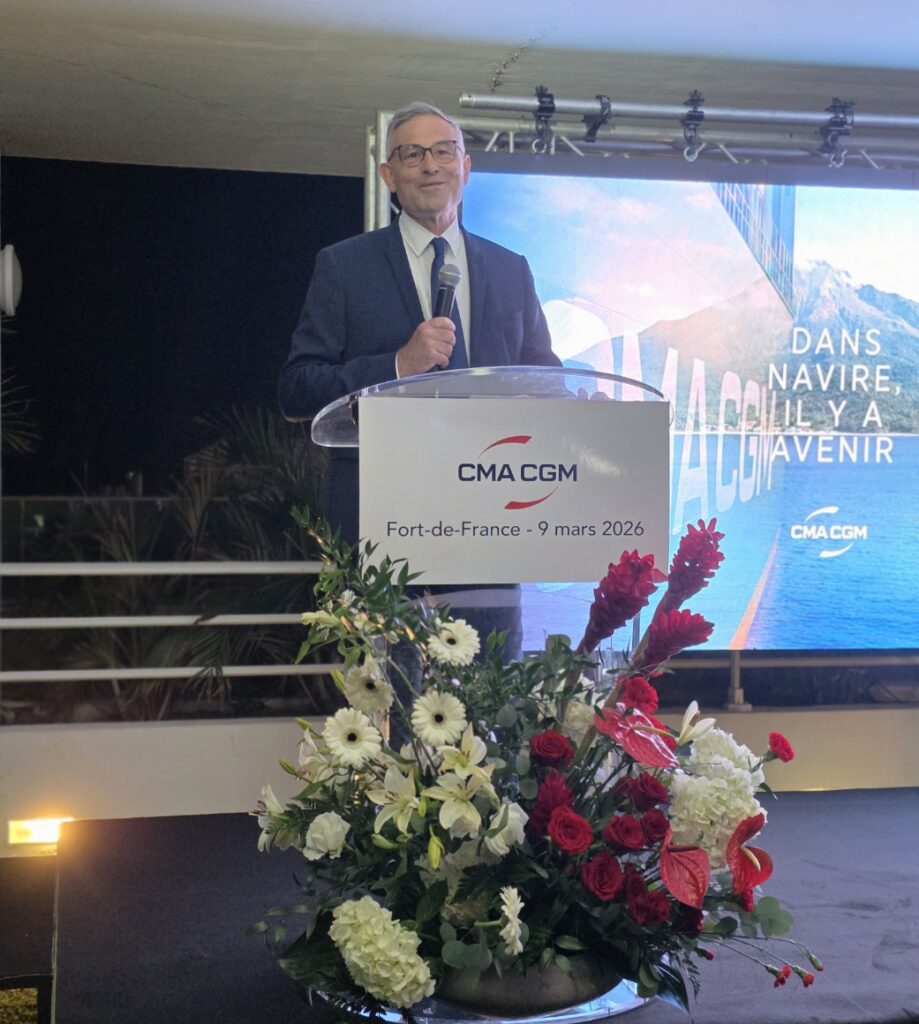
“Maritime transport does not create the market, but it supports it.”
— Philippe Rech, General Manager CMA CGM Martinique — PCRF XL launch, March 9, 2026
Fort-de-France: from 3 lines to 6 by 2027, seven named services
Philippe Rech, General Manager of CMA CGM Martinique, specified that Fort-de-France currently has three CMA CGM shipping lines. By 2027, it will have six. This doubling is part of an already dense regional network: 19 CMA CGM lines operate throughout the Caribbean zone. This strategy also places the French West Indies in direct competition with the region’s major transshipment hubs, notably Kingston (Jamaica), Cartagena (Colombia), and Caucedo (Dominican Republic).
The restructuring of regional services, underway since December 2025, is organized around seven named services.
Three intra-Caribbean services are operational. The AGEX (Antilles-Guyane Express), launched in mid-December, connects Martinique, Guadeloupe, and French Guiana with two dedicated vessels on a weekly rotation—five to six days of transit in each direction. Intermediate transshipment via Trinidad has been eliminated: goods now reach the port of Dégrad-des-Cannes in Guiana directly. AGEX serves two functions: offering a direct link for manufacturers in the French Caribbean territories and ensuring the transshipment of volumes from other origins to Guiana, particularly from the Mediterranean or the Gulf. The Guyana service connects Martinique to Guyana, Suriname, and Trinidad. The Kalinago, without a call in Martinique, maintains connectivity to the Windward Islands via Trinidad. In Guadeloupe, the Leewards service provides Ro-Ro coverage to all the northern islands up to Port Hospen.
Toward Central America, the Motagua—launched in early January 2026 from Guadeloupe—is dedicated to Guatemala and Honduras, with the primary function of transporting refrigerated goods from these two countries to Northern Europe, and vice versa. Finally, two services are scheduled for 2027: the extended Brasex will connect southern Brazil, the Santos region, to the Caribbean with a stop in Martinique; the Indigo, the second connected feeder, will provide the link to Cuba.
Decarbonization and LAC opportunities: the Latitude 15 exclusive interview
In the interview granted to Latitude 15 during the event, Guillaume de Chastellux detailed the port decarbonization effort:
“The main action focuses on port equipment. We are moving from pure fuel operation to hybrid technologies, and even electric in Guadeloupe.”
— Guillaume de Chastellux — exclusive interview
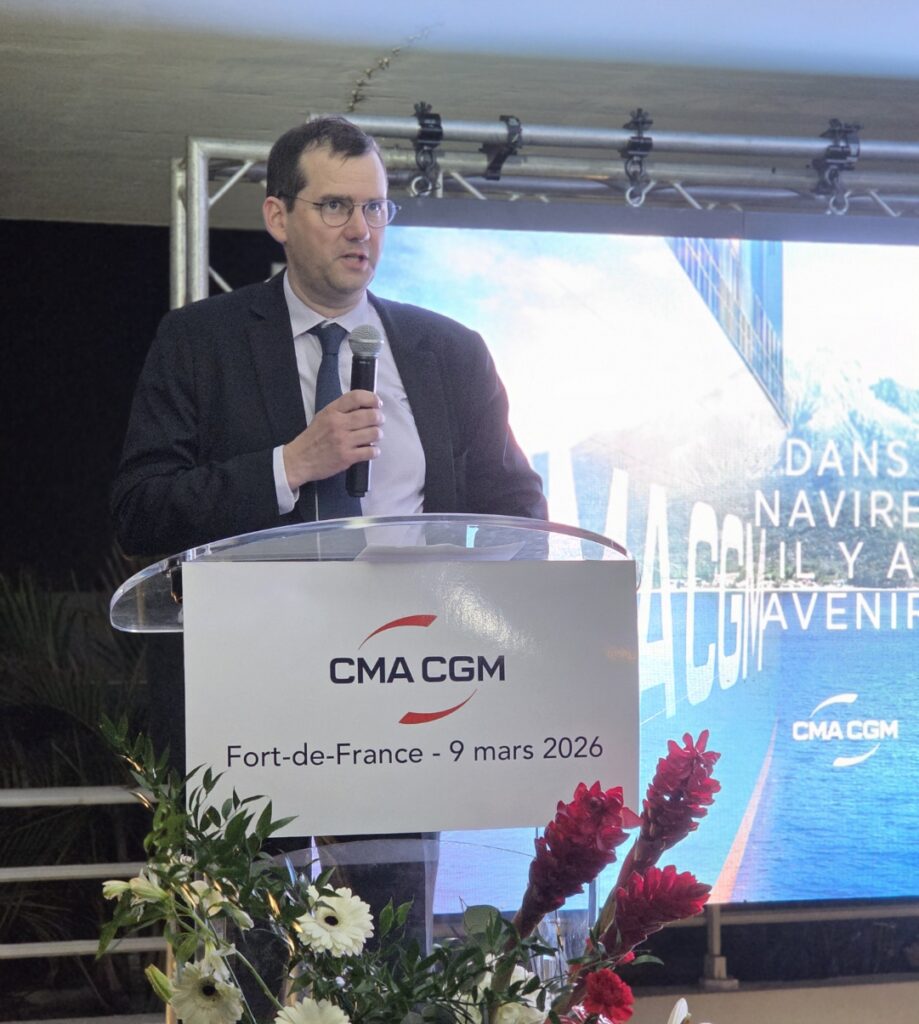
When asked directly what this repositioning represents for operators in Latin America and Brazil—the international readership of Latitude 15—Guillaume de Chastellux delivered an unambiguous message. In a regional context marked by geostrategic tensions, Philippe Rech also emphasized the group’s ability to combine its maritime, air, and land vectors to maintain service continuity—a resilience built over 48 years of operations in crisis environments.
“I absolutely invite all our clients and partners to look beyond their own territory and explore the opportunities in the region—trade, industry, processing, re-exportation, cargo consolidation. The scope of possibilities is very wide.”
— Guillaume de Chastellux — exclusive interview