
Anguilla closed 2025 with its strongest tourism performance in more than three decades, as visitor arrivals reached record levels across both stay-over and excursionist segments. But behind the headline growth figures, the latest data also highlights another structural reality of the island’s visitor economy: maritime connectivity remains the dominant gateway into the territory.
According to the Government of Anguilla’s Statistics Department, the island recorded 229,734 total visitors in 2025, the highest annual figure registered in 33 years of available tourism data. December alone accounted for 28,855 visitors, up 20.9% compared with the same month in 2024 and marking the strongest December performance since records began in 1993.
The figures confirm the continued recovery and expansion of Anguilla’s tourism sector, driven by strong North American demand and growing regional mobility flows across the northeastern Caribbean.
Record visitor flows close out the year
The December performance was supported by growth across both major visitor categories. Stay-over arrivals reached 14,475 visitors, increasing by 9.6% year-on-year and setting a new December record for the segment. Excursionist arrivals, or day-trippers, rose even faster, climbing 34.8% to 14,380 visitors.
Together, the two segments reveal an increasingly diversified mobility profile for the island, combining longer leisure stays with high-frequency short-duration regional travel. Leisure tourism overwhelmingly dominated the market, with 99.4% of visitors travelling for vacation purposes, while business-related travel represented only 0.6% of arrivals.
The data also suggests that Anguilla continues to benefit from broader Caribbean travel recovery trends, particularly among visitors seeking short-haul premium island destinations.
Sea transport handled nearly 80% of passenger traffic
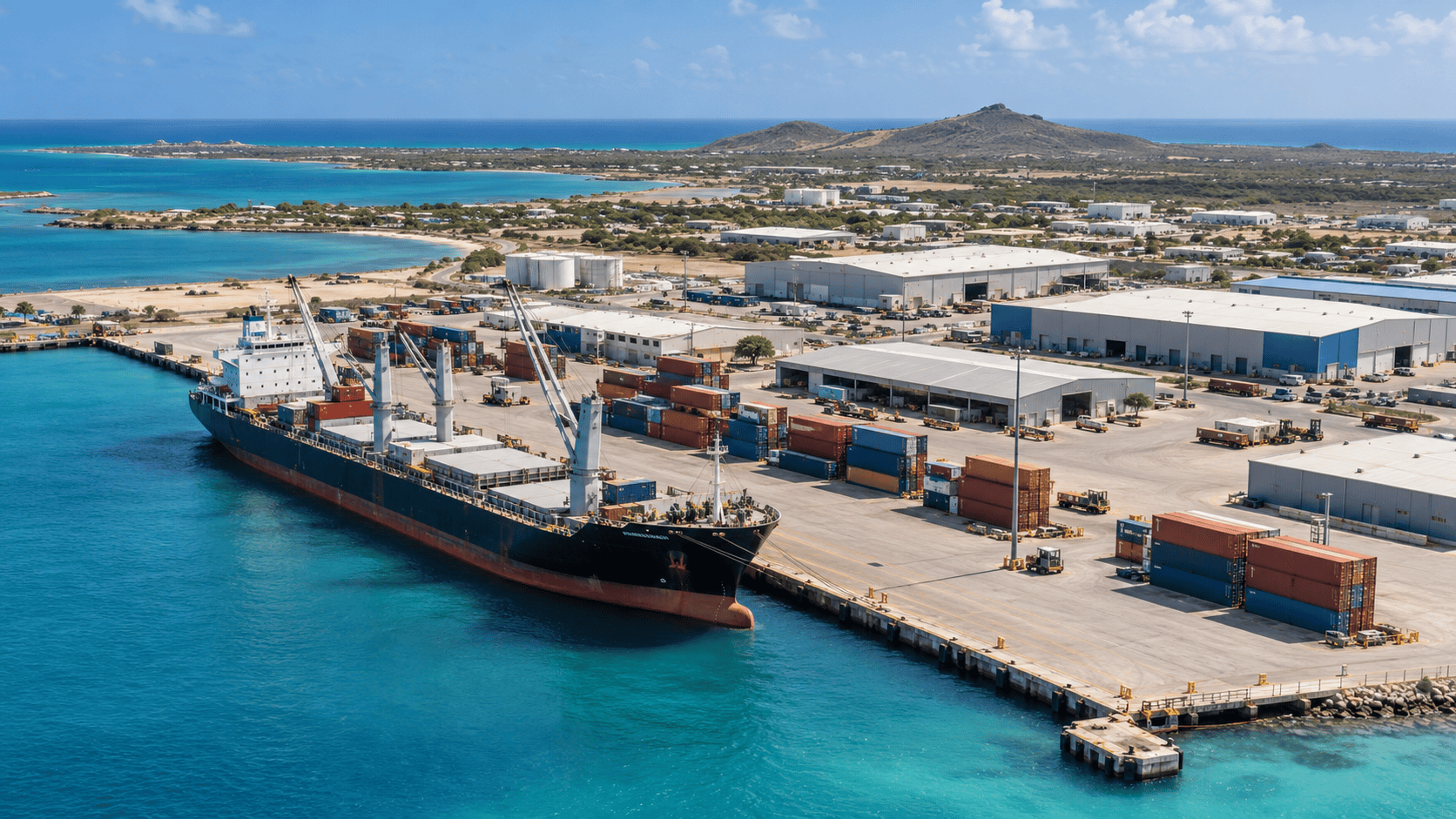
While tourism growth is often associated with airlift expansion, Anguilla’s latest figures show that maritime infrastructure continues to underpin the island’s accessibility model.
Passenger arrivals — including both residents and visitors — totalled 37,712 in December 2025, up 18.8% from the previous year. Of those movements, 30,103 passengers, or 79.8% of the total, entered through the island’s seaports. By comparison, Clayton J. Lloyd International Airport handled 7,609 arriving passengers, representing 20.2% of inbound flows.
The Blowing Point terminal remained the primary maritime gateway with 19,381 inward passengers, followed by Road Bay port with 10,722 arrivals.
Outbound traffic reflected a similar structure. Of the 35,283 departing passengers recorded during the month, 82.3% travelled via seaports, while only 17.7% departed through the airport.
The imbalance highlights the strategic importance of short-distance maritime corridors in Anguilla’s tourism ecosystem, particularly connections linked to neighbouring hubs such as Sint Maarten/Saint-Martin. Rather than functioning as a primarily air-dependent destination, Anguilla continues to operate through a hybrid access model in which ferries and regional marine transport remain central to visitor circulation.
Short-stay regional mobility continues to expand
The strong increase in excursionist traffic also points to broader changes in Caribbean travel behaviour. Nearly half of all visitors recorded in December were day-trippers, underscoring the growing importance of inter-island mobility and short-duration regional travel.
Among stay-over visitors, the average intended stay reached 6.6 days, slightly below the 6.7-day average recorded a year earlier. The largest share of tourists, 44.6%, planned stays between four and seven days, while 30.1% intended to remain on the island for only one to three days.
These patterns suggest that Anguilla ’s tourism economy is increasingly shaped by flexible travel models combining short leisure breaks, multi-island itineraries and high-frequency regional connectivity. For transport operators and tourism planners, this reinforces the importance of reliable maritime scheduling, seamless transfer infrastructure and integrated regional mobility networks.
US travellers continue to dominate the market
The United States remained by far Anguilla’s largest source market in December 2025. American visitors accounted for 72.1% of all tourist arrivals, representing 10,438 stay-over visitors and increasing 12% over the previous year.
Canada followed with a 6.0% market share, while the “Other Europe” segment represented 5.6% of tourist arrivals.
The dominance of the US market illustrates both the strength and concentration of Anguilla’s visitor economy. North American demand continues to drive tourism performance, influencing air connectivity strategies, seasonal capacity planning and regional transport flows throughout the northeastern Caribbean.
At the same time, the latest statistics indicate that tourism growth in Anguilla cannot be understood solely through the lens of aviation. The island’s 2025 performance demonstrates how maritime mobility continues to play a foundational role in sustaining Caribbean tourism access, particularly for small island destinations operating within interconnected regional travel networks.