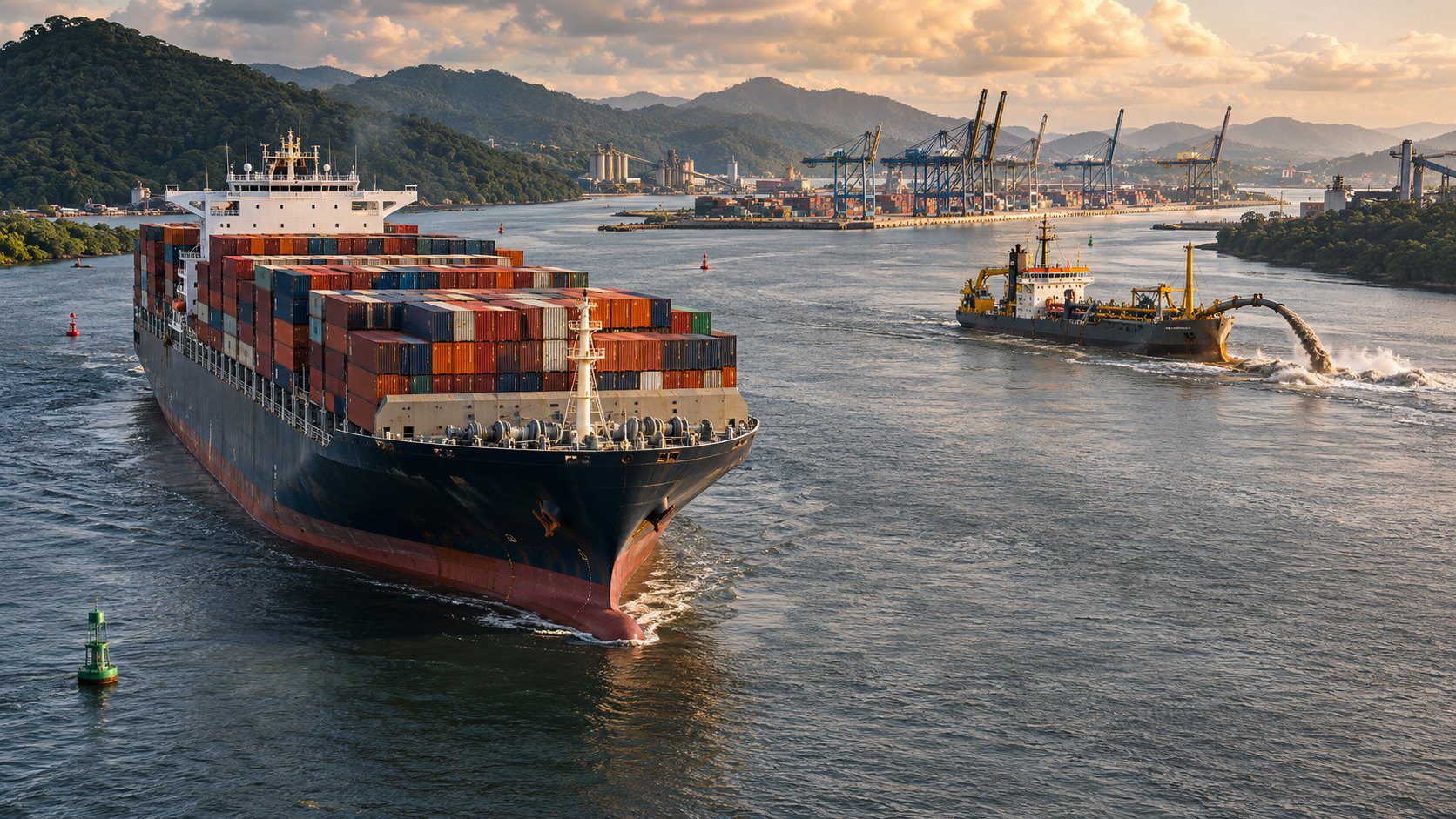
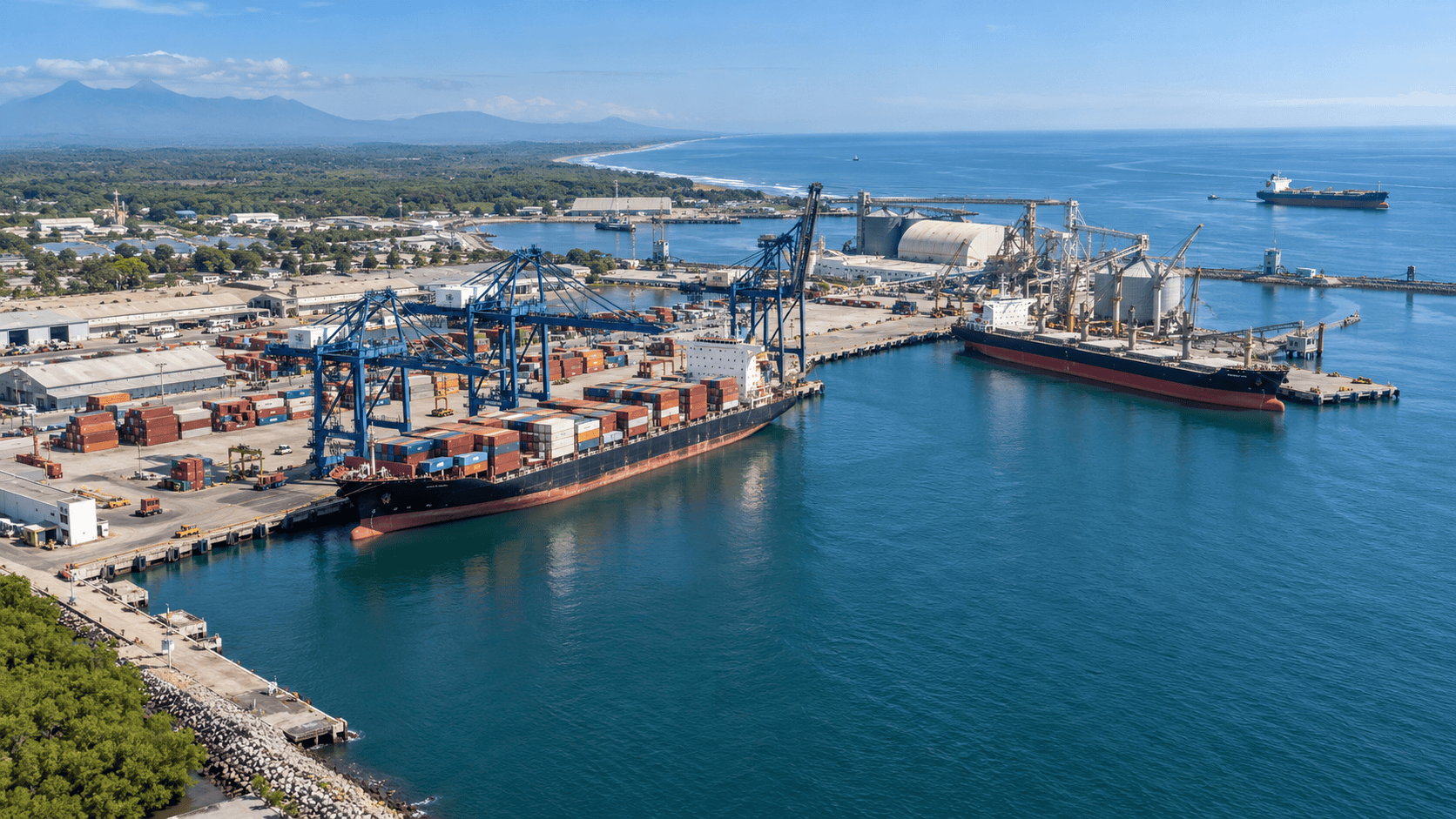
Guatemala’s Puerto Quetzal has sharply reduced the number of vessels waiting to enter the port, following changes in cargo handling and the introduction of additional equipment. The improvement comes as authorities advance a wider modernisation programme, although lengthy waiting times remain a concern for some operators.
Puerto Quetzal, Guatemala’s main Pacific maritime gateway, has reduced its vessel backlog from more than 50 ships to six, according to figures released by the country’s Ministry of Communications, Infrastructure and Housing on October 15, 2026. The reduction comes alongside an increase in cargo activity and a series of operational measures designed to address delays in loading and unloading.
The Guatemalan government reported that the number of vessels handled rose from 915 to 992 in its September 2025–September 2026 comparison, while cargo volumes increased from 12.59 million to 14.20 million metric tonnes. The figures indicate that the port has been handling more traffic while reducing the number of ships waiting offshore, although the backlog represents a snapshot rather than a measure of average waiting times.
Operational Changes Help Ease Vessel Congestion
Reducing congestion at Puerto Quetzal has involved changes in how cargo is organised and how port users coordinate their operations. During a presidential visit on October 27, representatives of the private sector highlighted measures introduced to improve unloading schedules, reduce unproductive periods and address delays linked to the distribution of cargo among multiple consignees.
Karla Roca, a representative of Grupo AG and Guatemala’s industrial sector, explained that some vessels had arrived carrying shipments assigned to numerous consignees, complicating the coordination of unloading activities. According to the Guatemalan News Agency (AGN), companies responded by adjusting cargo consolidation and the organisation of ship holds at the port of origin, alongside closer coordination between consignees, transport operators and stevedoring companies.
These changes have been accompanied by a reduction in the time vessels spend waiting at anchor. Roca reported that waiting periods had previously reached as much as 100 days and were now averaging 40 days or less. Her assessment illustrates the progress reported by port users, but also shows that lengthy delays have not disappeared.
The distinction matters for shipping operators: a shorter queue of vessels does not necessarily mean that individual ships can enter port without substantial delays. Roca identified reducing waiting periods to below 15 days in 2027 as a further objective and called for continued technical coordination, clearer operating rules and greater use of digital tools.
New Cranes and Port Upgrades Support Operations
Alongside the operational adjustments, Puerto Quetzal is adding cargo-handling equipment and progressing with a broader infrastructure programme. On October 27, President Bernardo Arévalo inaugurated two multipurpose mobile harbour cranes, each with a lifting capacity of up to 154 tonnes. The equipment was incorporated through an indirect management arrangement, expanding the range of cargo-handling services available at the port.
The government has also reported additional tugboat capacity and investments in conveyor systems for bulk cargo, particularly grains and raw materials. These measures accompany work on berth infrastructure and improvements intended to support cargo movements as traffic increases.
During his visit, Arévalo reviewed a modernisation programme comprising ten objectives. According to the official report published by AGN, four had been completed, five had reached between 80% and 92% implementation, and one remained behind schedule.
The programme covers the recovery of navigational depths, improvements to container yards, upgrades to berthing infrastructure, expanded tugboat services and the development of a specialised container terminal. Some measures are already operational, while others remain under construction or planning.
Puerto Quetzal’s latest results mark a substantial improvement from the earlier congestion levels reported by the authorities. Sustaining that progress will depend on the continued coordination of cargo operations and the completion of infrastructure projects, particularly while some port users continue to report extended waiting periods.
FAQ
How many vessels were waiting at Puerto Quetzal in October 2026?
Guatemalan authorities reported that the number of vessels waiting offshore had fallen from more than 50 to six by October 11, 2026.
What measures helped reduce vessel congestion at Puerto Quetzal?
Reported measures include better coordination of unloading operations, improved cargo consolidation, reduced unproductive periods and additional cargo-handling equipment.
What infrastructure improvements are underway at Puerto Quetzal?
The port’s modernisation programme includes berth improvements, container yard upgrades, additional cranes and tugboats, dredging-related work and plans for a specialised container terminal.