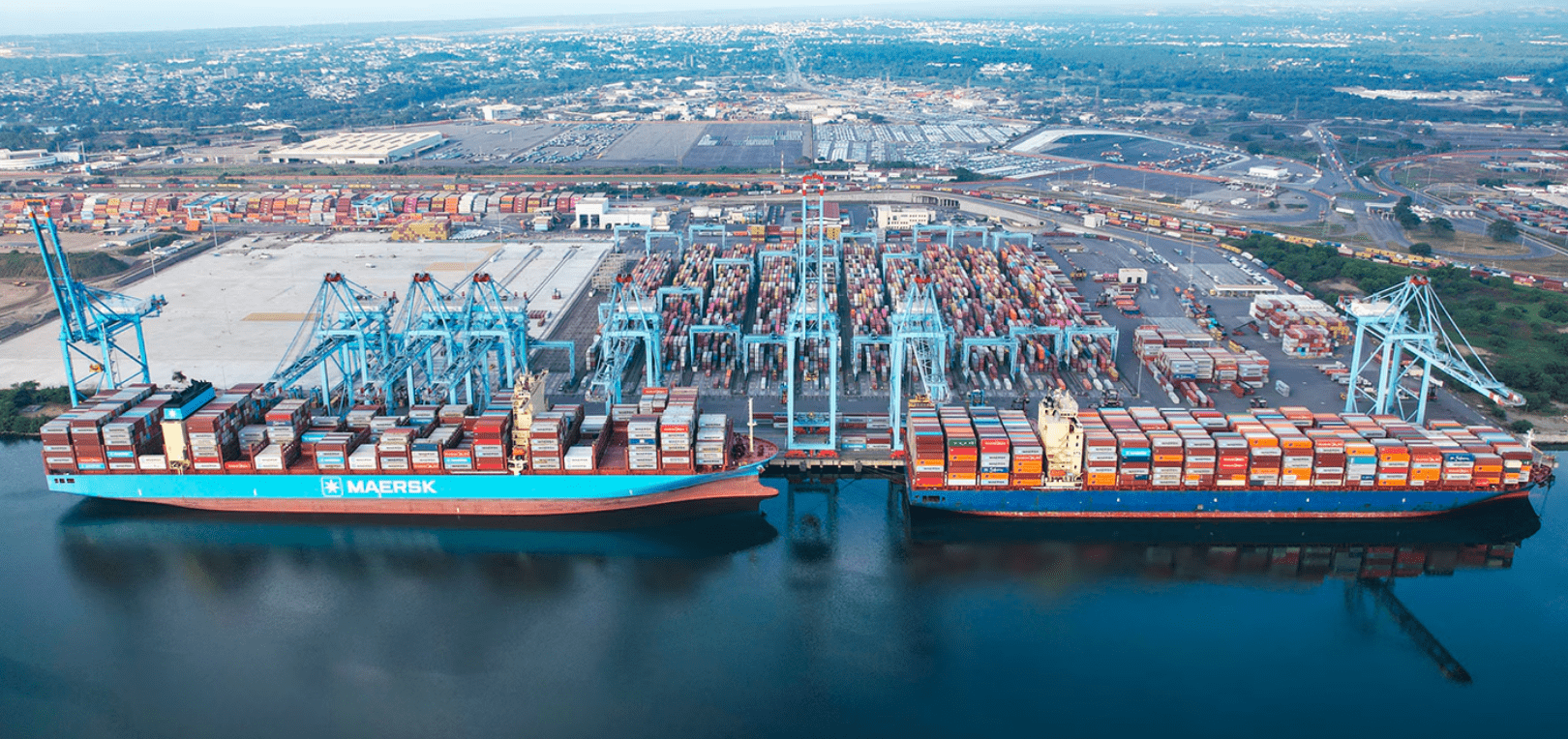
APM Terminals has inaugurated the second phase of its container terminal expansion in Lázaro Cárdenas while announcing the immediate launch of Phase III, a move backed by more than USD 350 million in new investment. Beyond the infrastructure milestone, the project reflects a broader strategy to strengthen the Mexican Pacific gateway’s role in regional trade, increase operational capacity and position the port for future transshipment opportunities.
Expanded capacity supports long-term growth plans
The commissioning of Phase II follows an investment of more than USD 140 million and increases the terminal’s operational footprint to 65 hectares. Capacity now reaches up to 2 million TEUs, reinforcing Lázaro Cárdenas’ position among the largest container handling facilities on Mexico’s Pacific coast.
The expansion comes as ports across the Americas face growing pressure to improve efficiency, accommodate larger vessels and strengthen supply chain resilience. For APM Terminals, the next stage of development is already underway.
The company announced the immediate start of Phase III construction, supported by an investment exceeding USD 350 million. The project includes an additional 450 metres of berth, bringing total quay length to 1,200 metres, as well as expanded yard capacity and new ship-to-shore cranes designed to handle the world’s largest container vessels.
According to APM Terminals, this development will allow additional port capacity to be brought forward approximately eight years earlier than initially planned.
Automation becomes a competitive advantage
A key feature of the expansion is the deployment of advanced automation technologies across terminal operations.
APM Terminals states that Lázaro Cárdenas is currently the only terminal in Latin America operating a fully automated container yard. The newly commissioned infrastructure incorporates six electric automated rail-mounted gantry cranes, a fleet of high-efficiency shuttle carriers and advanced monitoring systems designed to improve cargo visibility and operational control.
The terminal also operates with the Navis N4 terminal operating system, supported around the clock through a global network.
These technologies are intended to improve container movement accuracy, strengthen cargo traceability and increase operational reliability while reducing manual intervention in yard operations.
For port operators across the region, automation is increasingly viewed as a tool not only for productivity gains but also for improving safety and operational predictability in an increasingly complex logistics environment.
Building a stronger Pacific logistics gateway
While the infrastructure expansion increases capacity, the longer-term objective appears to be broader.
APM Terminals has identified Lázaro Cárdenas as a future transshipment platform capable of serving both Mexican trade flows and wider Pacific shipping networks. The additional berth length, expanded yard space and larger vessel handling capabilities are expected to strengthen the port’s attractiveness for international shipping services.
Located on Mexico’s Pacific coast, Lázaro Cárdenas already plays a strategic role in connecting North American supply chains with Asia-Pacific markets. The latest investments are designed to reinforce that position as regional trade patterns continue to evolve.
The project is also expected to enhance operational flexibility and improve the port’s ability to accommodate future cargo growth without compromising service levels.
Electrification and renewable energy ambitions
The expansion strategy also incorporates sustainability objectives.
Phase II introduces additional electric equipment and infrastructure designed to support automated operations. Looking ahead, APM Terminals plans to progressively deploy a fully electric fleet of mobile equipment while developing infrastructure capable of supporting renewable energy integration.
Although the company has not disclosed specific renewable energy targets or implementation timelines, executives described the terminal as a potential pioneer in Mexico and potentially across the region in the use of renewable energy sources for port operations.
The approach aligns with broader industry efforts to reduce emissions across maritime logistics chains and support the decarbonisation of port activities.
Regional economic impact extends beyond the terminal
The expansion is expected to generate benefits beyond port operations.
APM Terminals estimates that the terminal could support more than 1,700 direct jobs by 2029. During the construction phase of Phase III, around 4,000 direct and indirect jobs are expected to be generated.
The company also highlighted opportunities for local and regional suppliers involved in construction, maintenance, transport, security, automation and logistics services.
For the Port of Lázaro Cárdenas, the latest expansion represents more than an increase in physical capacity. It reflects a long-term effort to combine infrastructure growth, automation and sustainability initiatives in support of Mexico’s ambitions to strengthen its position within regional and global supply chains.