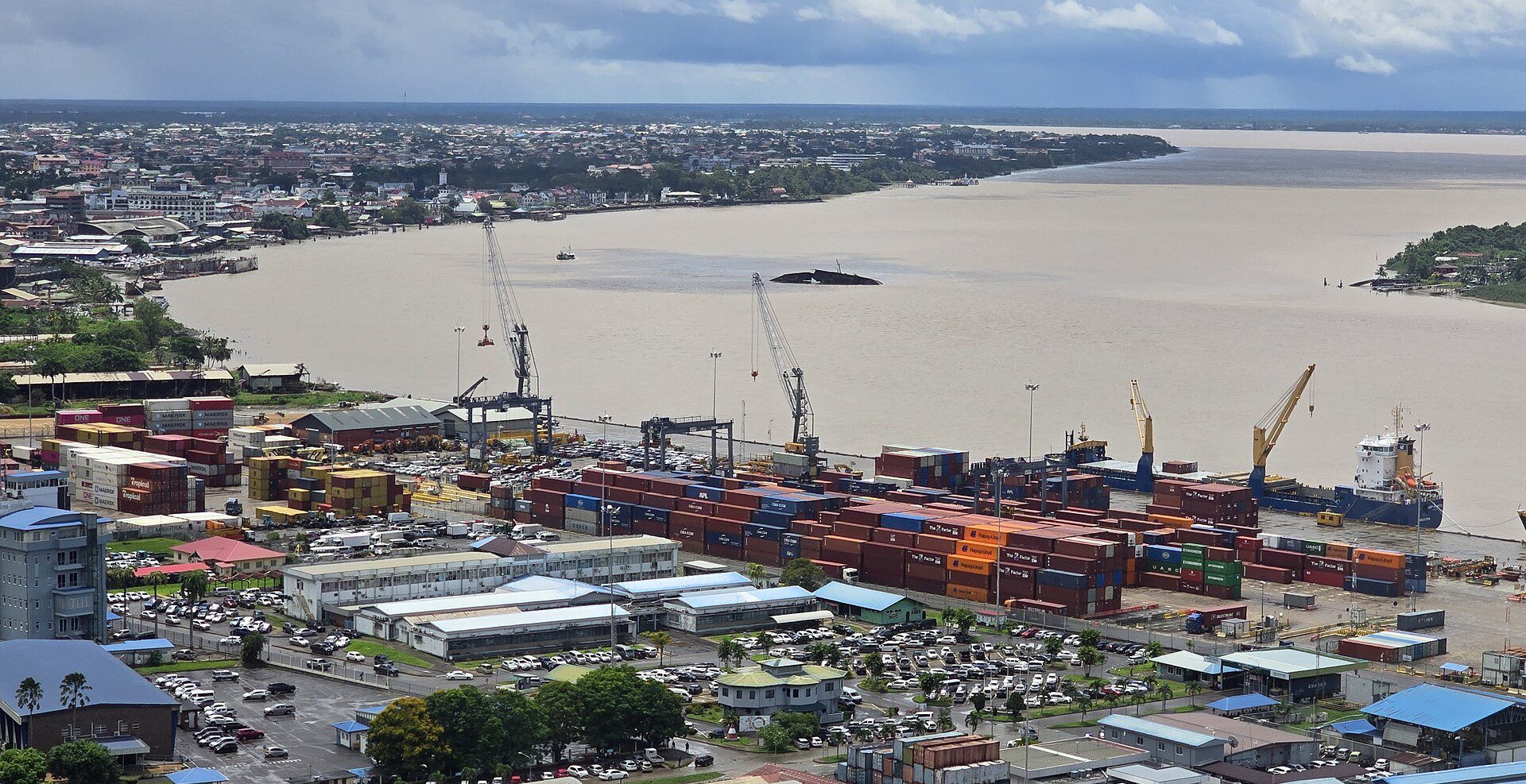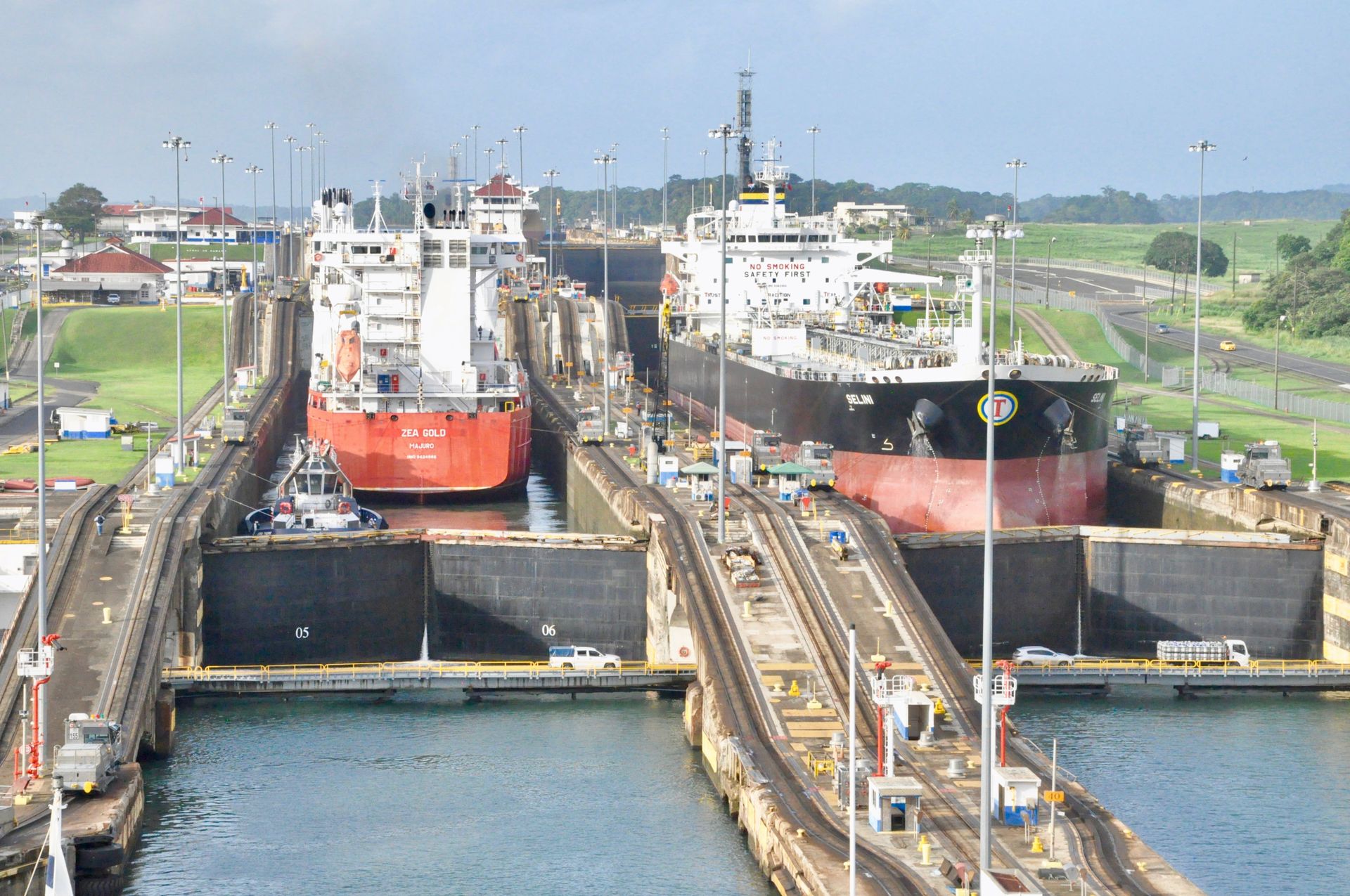
Across Latin America and the Caribbean (LAC), industrial activity remains closely tied to the performance of logistics systems. For many companies, supply chains depend heavily on imports, exposing operations to delays, uncertainty, and fluctuating costs.
Discussions during the LAC eFTI4ALL webinar highlighted how these constraints go beyond operational challenges. They point to a broader issue: the ability of logistics systems to support—or limit—industrial competitiveness in the region. In this context, improving how goods move is not only a matter of efficiency, but also of economic performance.
This raises a key question: how do logistics systems influence the competitiveness of industries across the region?
Supply chains under pressure
One of the recurring themes in the discussions is the level of pressure faced by supply chains in the region.
Serge Letchimy pointed to a structural dependence on external markets, noting that Caribbean territories “import a lot,” while export flows remain limited. This imbalance creates supply chains that are highly exposed to disruptions and external constraints.
For companies operating in this environment, logistics becomes a source of uncertainty. Delivery times can vary, supply flows are not always predictable, and coordination across actors remains complex. As a result, businesses often operate with limited control over their own supply chains, affecting both planning and responsiveness.
These constraints suggest that logistics performance is not only an operational issue, but a structural component of industrial activity.
The cost of inefficiency
Beyond uncertainty, logistics inefficiencies translate directly into costs for companies.
Charles Larcher emphasized that limited visibility across supply chains forces businesses to adapt by increasing stock levels. Without reliable information on the movement of goods, companies tend to maintain buffer inventories to secure production and distribution.
While this approach reduces risk, it also ties up capital and reduces operational flexibility. Higher storage costs, longer lead times, and inefficient allocation of resources can all affect profitability.
In this context, logistics inefficiencies act as a hidden cost within industrial operations. They may not always be visible in isolation, but their cumulative impact can significantly influence competitiveness.
Visibility as a competitive factor
In contrast, improving visibility across supply chains appears as a key lever for enhancing performance.
Larcher underlined the importance of real-time tracking, stating that companies need “full visibility on the flow of goods in real time” to manage operations effectively. Access to timely and reliable information allows businesses to anticipate disruptions, adjust production schedules, and optimize inventory levels.
Sandra Casanova also highlighted the role of data in enabling better coordination, noting that current systems still struggle with the circulation of information. In fragmented environments, limited visibility restricts the ability of companies to make informed decisions.
These observations suggest that visibility is not only a technical improvement—it can become a competitive advantage in itself.
Digital freight as an operational lever
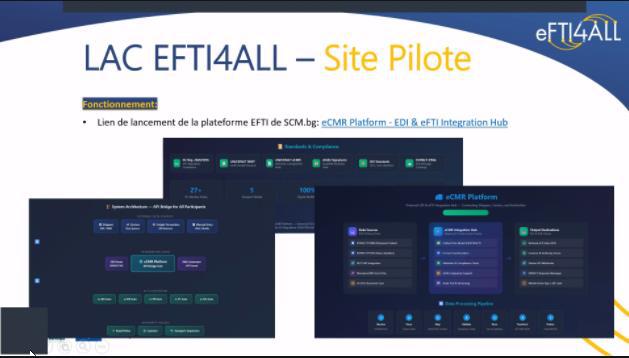
Within this framework, digital freight initiatives such as eFTI were discussed as potential tools to improve operational performance.
By facilitating the exchange of standardized data, these systems aim to simplify administrative processes and improve access to information. Sandra Casanova described eFTI as enabling “secure exchanges between operators and public authorities,” which could help streamline interactions across the supply chain.
From an operational perspective, this could reduce the need for repetitive document handling and limit errors associated with manual data entry. Victor Dolcemascolo also pointed to the possibility of accessing transport data in real time during controls, suggesting more efficient procedures.
While these improvements may appear incremental, they could contribute to more predictable and coordinated supply chains over time.
From logistics performance to economic attractiveness
Beyond individual companies, logistics performance also plays a role in shaping the economic attractiveness of the region.
Serge Letchimy suggested that current logistics structures limit the ability of territories to generate and retain value locally. When supply chains are inefficient or poorly integrated, industries may face higher costs and reduced competitiveness compared to other regions.
Conversely, improving logistics systems could support the development of local industries by reducing constraints and enabling more efficient market access. In this sense, logistics is not only an operational function—it becomes part of a broader economic positioning.
These dynamics indicate a close link between logistics performance and the capacity of territories to attract and sustain industrial activity.
Conditions for real impact
At the same time, the potential benefits of digital freight frameworks remain conditional.
Their effectiveness depends on the adoption of these systems by a wide range of stakeholders, as well as on the ability to ensure interoperability between platforms. Without coordination and shared standards, digital solutions may coexist with existing processes rather than fully transforming them.
The discussions also suggest that aligning public and private actors will be essential to unlock these benefits. As with other large-scale transformations, progress is likely to be gradual and uneven across the region.

Conclusion – Competitiveness remains closely tied to logistics performance
The discussions from the LAC eFTI4ALL webinar suggest a strong link between logistics performance and industrial competitiveness across the region.
While inefficiencies continue to generate costs and constraints for companies, improvements in data exchange and coordination could help enhance supply chain performance. At the same time, these changes appear to depend on broader conditions related to adoption, standardization, and collaboration.
In this context, logistics does not simply support industrial activity—it helps shape its competitiveness. The extent to which digital freight initiatives can influence this dynamic will likely depend on how effectively they are implemented across the logistics ecosystem.