Guyana is advancing a broad transformation of its maritime sector under the country’s 2026 national budget, combining regulatory reform, institutional strengthening and investments in navigational safety as vessel traffic continues to expand.
Speaking during parliamentary discussions on the budget, Thandi McAlister, Parliamentary Secretary in the Ministry of Public Utilities and Aviation and Member of Parliament, said the government’s strategy aims to modernise the country’s maritime framework while supporting the rapid growth of shipping activity. According to McAlister, maritime development has been a priority since 2020 under the leadership of President Dr Mohamed Irfaan Ali, with successive national budgets supporting the sector’s expansion.
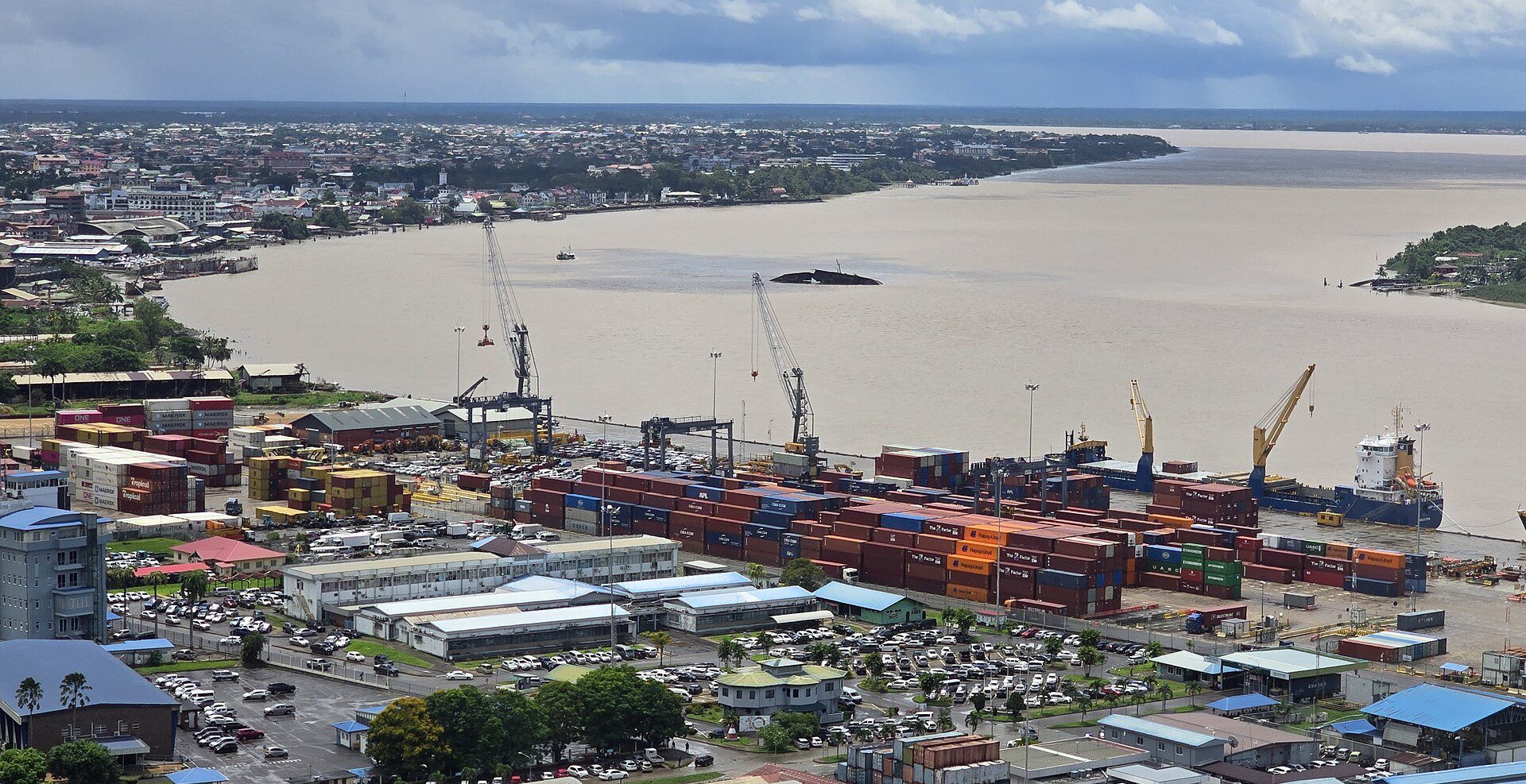
Between 2020 and 2025, vessel traffic and port calls in Guyana increased by 67 percent, reflecting the country’s growing role within regional shipping networks and the broader economic expansion linked to energy and infrastructure development.
Maritime traffic rises as sector expands
The increase in vessel movements over the past five years highlights the growing importance of maritime transport for Guyana’s economy. As offshore energy development and trade flows expand, ports and maritime services have experienced a steady rise in operational activity.
Authorities view the strengthening of the maritime sector as a key element in supporting national logistics capacity and ensuring the safe and efficient movement of vessels calling at Guyanese ports.
Government advances comprehensive maritime law reform
Alongside infrastructure and operational investments, the government is pursuing an extensive reform of maritime legislation designed to align national regulations with international standards.
According to McAlister, legal experts from the Maritime Administration Department and the Ministry of Legal Affairs are currently working on a comprehensive legal framework for the sector. This includes the preparation of a new Port Authority Act, intended to guide the development and governance of the maritime industry for decades.
“This is not a mere exercise in cut and paste; it is a systematic procedure designed to transform international maritime obligations into clear and consistent national laws,” McAlister stated.
The reform process is expected to strengthen compliance with international maritime conventions while providing clearer regulatory oversight of port and shipping activities.
New Port Authority framework under preparation
A central element of the government’s strategy is the creation of a modern Port Authority designed to oversee the development and regulation of the maritime sector.
The future authority is expected to operate according to international best practices for safe, secure and sustainable shipping. Establishing such an institution would represent a significant step toward modernising Guyana’s maritime governance structure and improving coordination across port operations, regulatory oversight and maritime services.
The initiative also responds to structural weaknesses previously identified in the country’s maritime administration.
Investments in navigational safety and maritime capacity
Since 2020, the government has implemented several measures aimed at strengthening navigational safety and technical capacity.
These include the acquisition of new pilot boats, the installation of more than 30 navigation markers, and the expansion of the country’s hydrographic capabilities. Authorities have also appointed trained registrars within the maritime administration and designated a permanent representative to the International Maritime Organisation (IMO).
The measures were partly designed to address findings from the 2018 IMO audit, which identified 19 areas requiring improvement in Guyana’s maritime governance, including limited institutional capacity, outdated administrative systems and insufficient prioritisation of maritime affairs.
Guyana strengthens its regional maritime profile
As reforms progress, Guyana is also seeking to increase its visibility within the regional maritime community. The country is scheduled to host two major Caribbean maritime conferences in 2026, an initiative that authorities say reflects growing international recognition of the sector’s development.
For policymakers, strengthening maritime governance and infrastructure is essential to ensuring that Guyana’s economic growth remains resilient and capable of supporting expanding trade and shipping activity.
“Guyana’s prosperity must be resilient as its people and this budget manages our resources with a steady hand, ensuring our growth is shared fairly and protected against global uncertainty,” McAlister said.