Guatemala is launching a USD 250 million civil aviation recovery programme aimed at modernising five priority airports and strengthening the country’s safety, resilience and regulatory framework. Approved by the World Bank on September 8, 2026, the programme is intended to support Guatemala’s longer-term ambition to become a regional passenger and cargo hub by 2044.
A USD 250 million reset for Guatemala’s airport network
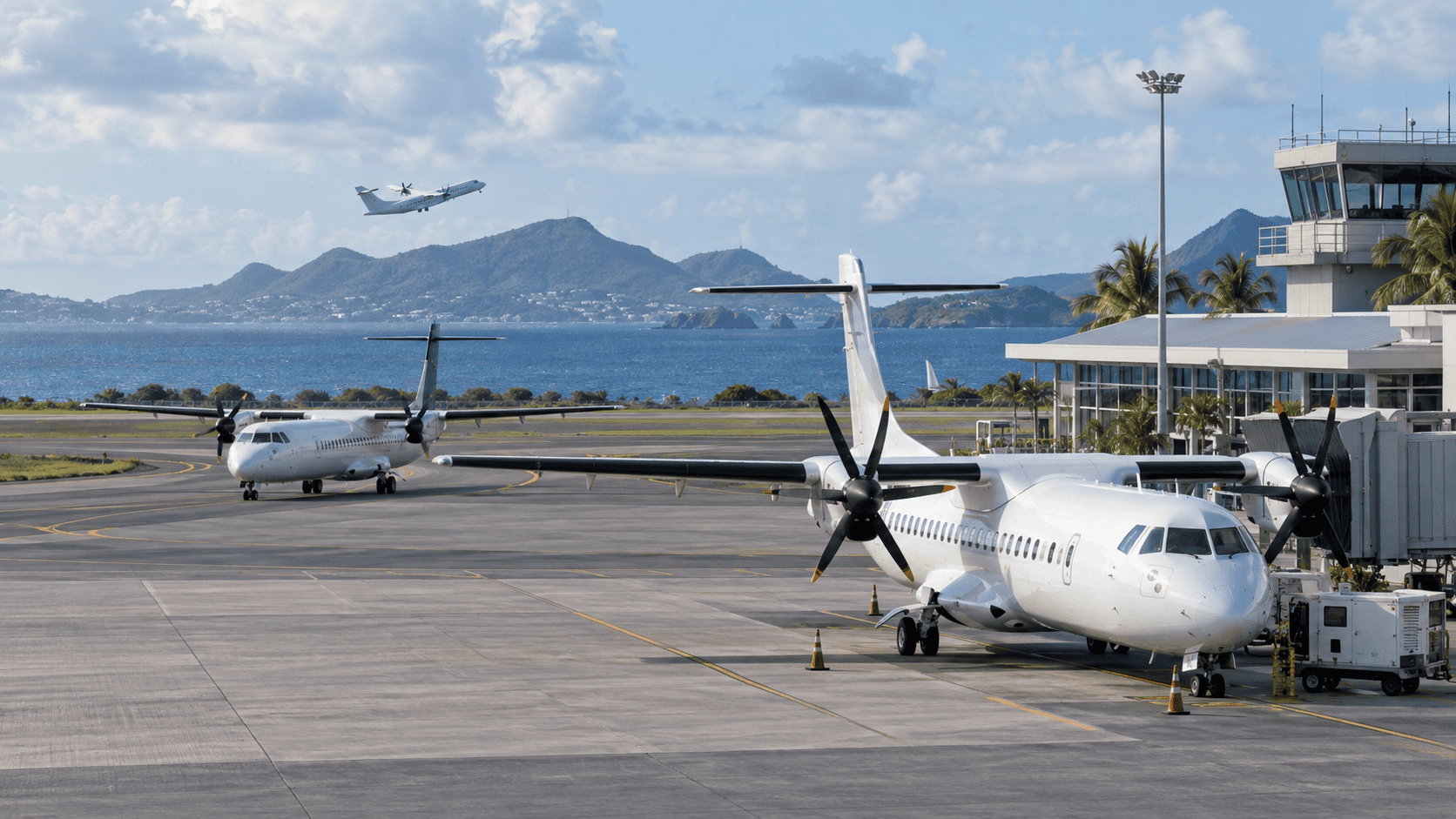
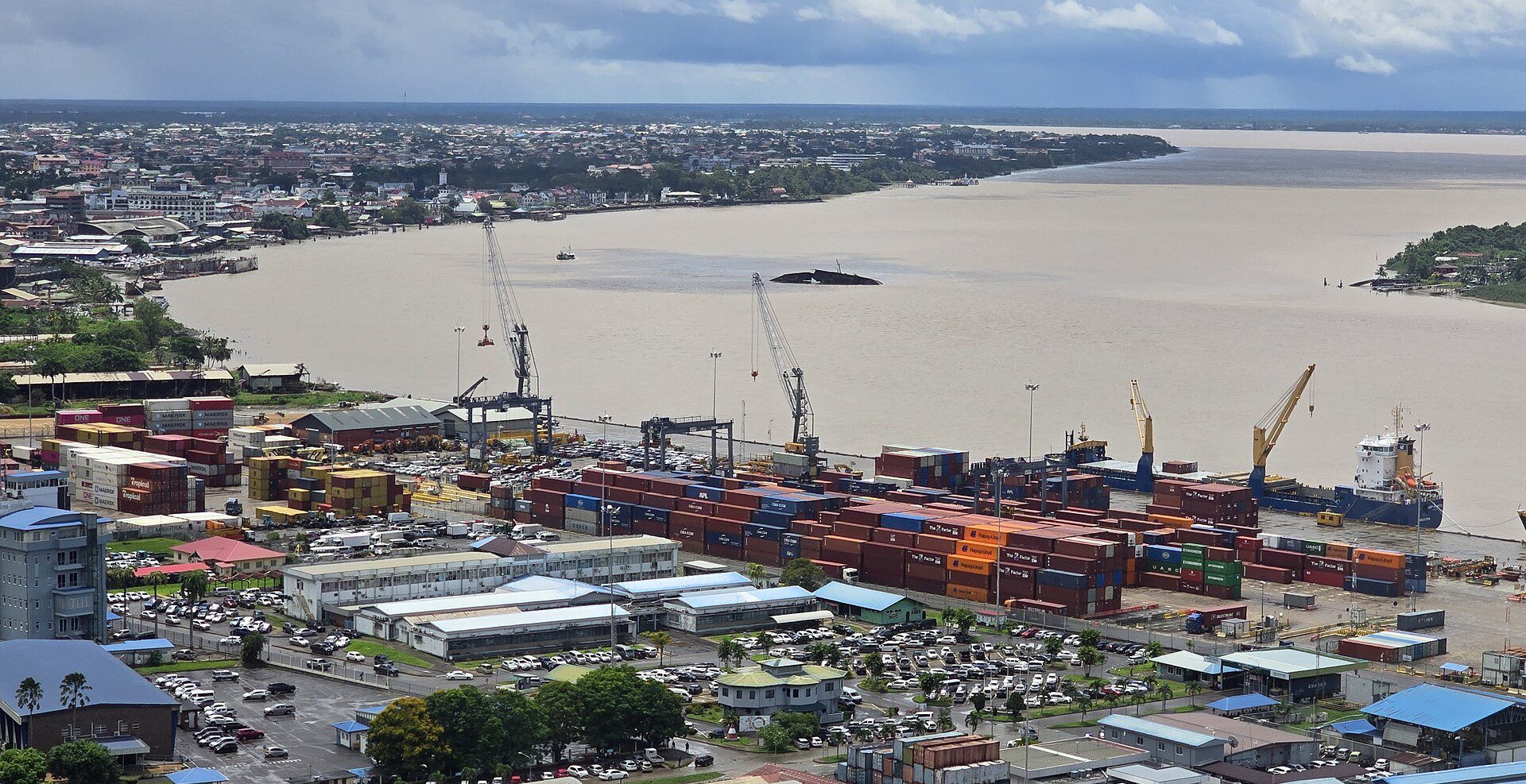
The World Bank approved USD 250 million in financing on September 8, 2026 for the Guatemala Civil Aviation Recovery Program, which will be implemented by the Dirección General de Aeronáutica Civil through 2033. The programme targets La Aurora International Airport in Guatemala City, Mundo Maya International Airport in Petén, and the airports or aerodromes serving Puerto Barrios, Quetzaltenango and Huehuetenango.
Most of the financing will go directly to airport infrastructure. Approximately USD 221.8 million is allocated to safer and more resilient infrastructure, including runways, taxiways, aprons, drainage, airfield lighting, surveillance and navigation systems, control towers, firefighting equipment and other operational improvements.
The programme also allocates USD 21 million to governance reforms, technical studies and institutional capacity, while USD 7.2 million will support programme implementation. The financing therefore goes beyond physical construction and addresses the broader operating environment needed to modernise Guatemala’s aviation system.
La Aurora needs operational resilience before more capacity
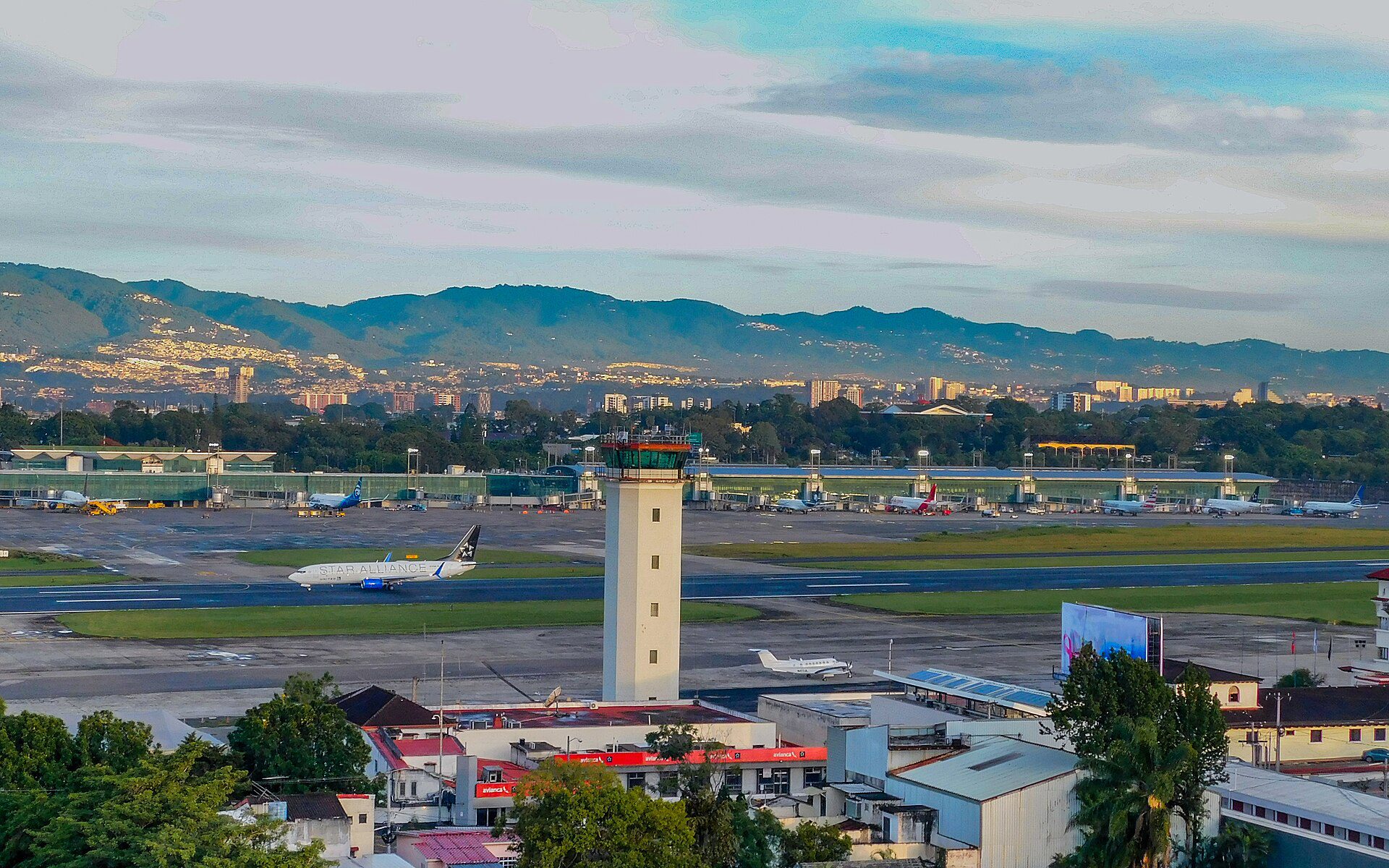
La Aurora International Airport in Guatemala City is the country’s principal international gateway, but the World Bank identifies ageing infrastructure and operational weaknesses as significant constraints. The programme includes work on runways, taxiways and aprons, as well as improvements to air traffic control systems, emergency services and airside infrastructure.
Drainage is one of the priorities at La Aurora International Airport. Heavy rainfall can affect operational surfaces and contribute to disruptions, diversions and additional fuel consumption. The new programme therefore includes climate-resilient drainage and other measures designed to reduce the airport’s vulnerability to severe weather.
La Aurora International Airport is also expected to undergo studies aimed at improving international-to-domestic passenger connections and airside flows. Those measures are particularly relevant to Guatemala’s long-term hub ambitions, because efficient transfer processes are essential if Guatemala City is to compete for connecting passenger traffic rather than rely primarily on point-to-point demand.
The Guatemalan Government has already been carrying out separate upgrades at La Aurora in 2026, including security, surveillance, electrical and cargo-related improvements. The airport now has 557 surveillance cameras, while authorities have also been working with cargo operator COMBEX-IN to improve export flows.
Mundo Maya becomes part of Guatemala’s resilience strategy
Mundo Maya International Airport in Petén has a different strategic role. The airport is intended to become a stronger alternative to La Aurora when weather, operational incidents or other disruptions affect Guatemala City.
The World Bank notes that aircraft unable to land at La Aurora may currently need to divert outside Guatemala, including to El Salvador, because Mundo Maya does not yet provide the full operational capabilities required of a reliable alternate airport.
The Civil Aviation Recovery Program includes upgrades to airfield lighting, approach systems, the control tower, perimeter security and firefighting capability at Mundo Maya International Airport. Those investments are designed to improve both safety and continuity of operations across Guatemala’s wider airport system.
Passenger activity at Mundo Maya is also growing. The Guatemalan Government reported in August 2026 that traffic increased from 284,365 passengers in 2023 to 390,584 in 2026, reinforcing the case for further investment in the Petén gateway.
Airport investment comes with a governance overhaul
The Guatemala Civil Aviation Recovery Program also targets the institutional structure of the country’s aviation sector. The Dirección General de Aeronáutica Civil currently combines regulatory responsibilities with operational functions, including airport and air navigation activities.
The World Bank considers that structure inconsistent with international best practice, where safety oversight should be institutionally separated from the organisations responsible for operating aviation infrastructure. The programme therefore supports a reform aimed at separating regulatory functions from airport and air navigation operations.
A World Bank project document also cites a 2024 self-assessment showing approximately 30% compliance with relevant ICAO safety oversight standards and recommended practices. The figure is important, but it does not represent a new ICAO audit result. Guatemala was expected to advance legislation addressing the institutional reform by the end of 2026.
The programme also includes technical training and capacity-building intended to strengthen safety oversight, airport management and other specialist functions across Guatemala’s aviation sector.
Preparing the sector for private capital
The USD 250 million programme is also intended to make Guatemala’s airport sector more attractive to future private investment.
The World Bank has identified regulatory weaknesses and an underdeveloped public-private partnership framework as barriers to private capital in Guatemala’s airport infrastructure. Reforms adopted in November 2025 simplified parts of the country’s PPP process, while the new aviation programme will finance financial viability studies and a roadmap for future private-sector participation.
For Guatemala, the sequencing is important. Public financing is being used first to address infrastructure, safety and governance gaps, while institutional reforms are intended to create a stronger basis for future concession, PPP or private investment models.
Guatemala Vuela sets a passenger and cargo hub target
The wider strategy is set out under Guatemala Vuela, which aims to position the country as a regional passenger and cargo aviation hub by 2044.
The growth assumptions are significant. The World Bank expects Guatemala’s air passenger traffic to exceed 11.2 million passengers by 2040, compared with approximately 5.2 million estimated for 2025.
Air cargo is also part of the strategy. Guatemala exported more than 26,800 tonnes of goods by air in 2023, including fresh produce, garments, pharmaceuticals, electronics and express shipments. Improving cargo handling, airport reliability and regulatory conditions could therefore support both aviation growth and the country’s broader trade ambitions.
The USD 250 million programme will not, by itself, turn Guatemala into a regional hub. Its importance lies in creating the operational, institutional and regulatory conditions required for that ambition to become credible. By 2033, the success of the programme will depend not only on new infrastructure, but also on whether Guatemala can improve safety oversight, strengthen airport resilience and attract the next generation of public and private investment.
How much is the World Bank financing Guatemala’s aviation programme?
The World Bank approved USD 250 million on September 8, 2026.
Which airports are covered by the programme?
The main sites are La Aurora International Airport, Mundo Maya International Airport, Puerto Barrios, Quetzaltenango and Huehuetenango.
When will the Guatemala Civil Aviation Recovery Program run until?
The programme is expected to be implemented through 2033.
Is Guatemala already a regional aviation hub?
No. Becoming a regional passenger and cargo hub by 2044 is a strategic objective under Guatemala Vuela, not a current status.