Brazil is reinforcing its maritime and inland transport infrastructure through a new round of investments approved by the country’s Merchant Marine Fund (FMM), aimed at strengthening shipbuilding capacity, expanding port-related infrastructure and improving river navigation across key regions of the country.
During the 62nd meeting of the fund’s board, held on 18 March, the Brazilian government approved more than R$3.6 billion (around US$700 million) in projects targeting both coastal maritime activity in the Southeast and inland navigation in the Amazon basin. The initiatives are expected to generate more than 2,200 direct jobs and expand the country’s logistical capacity at a time when Brazil continues to rely heavily on maritime and river transport to support domestic distribution and export flows.
Together, the investments reflect a broader strategy by the Ministry of Ports and Airports to reinforce Brazil’s naval industry and improve the efficiency of the country’s logistics network.
Major investments in shipbuilding and port infrastructure
The largest share of the funding will support projects in Brazil’s Southeast region, where a significant portion of the country’s maritime and port activity is concentrated.
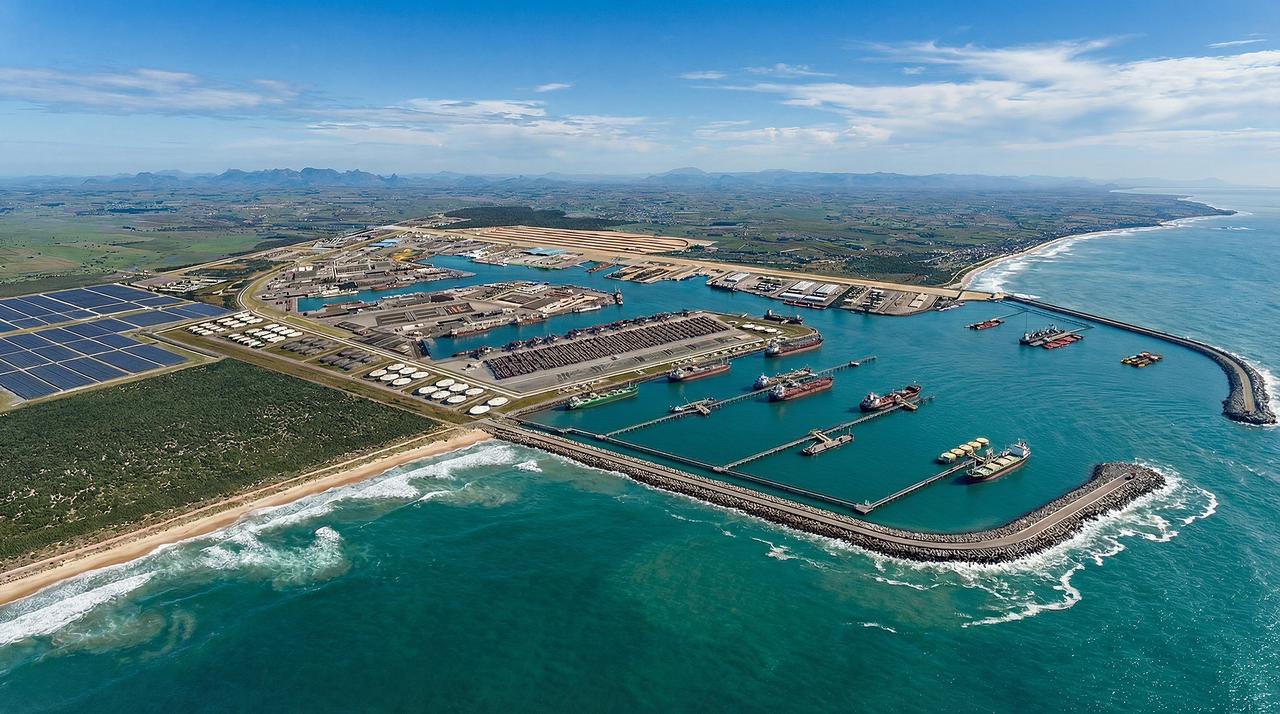
A total of R$3.2 billion has been approved for projects ranging from shipbuilding to maritime support services and port-related infrastructure. The most significant initiative is the development of the Porto Central Industrial Port Complex in the state of Espírito Santo, which alone accounts for R$2.178 billion in investment and is expected to generate 438 direct jobs.
Additional projects approved in São Paulo involve maritime services company Wilson Sons, with R$632.1 million allocated across 23 projects, including vessel construction and ship maintenance operations.
In the state of Rio de Janeiro, investments will support several shipbuilding and maritime service initiatives. These include R$213.8 million for CBO Holding, covering 16 projects, as well as additional funding for Belov Engenharia, Galáxia Navegação and the Farol de São Thomé shipyard operated by OceanPact.
Government officials say these projects will strengthen the naval supply chain while expanding operational capacity for maritime logistics across the region.
Expanding inland navigation in the Amazon
Alongside coastal maritime investments, the government is also directing funding toward river transport infrastructure in northern Brazil, where inland waterways serve as the primary transport corridors.
The Merchant Marine Fund approved R$409.7 million for 41 projects in the state of Amazonas, aimed mainly at vessel construction as well as maintenance, repair and dock services. These initiatives are expected to generate 606 direct jobs and expand the capacity of river transport across the Amazon basin.
The largest share of funding — R$380.3 million — will be allocated to GDE Transportes, part of the Dislub-Equador Group, for the construction of 35 vessels designed to support cargo transport along the region’s river network.
Additional projects include R$23.4 million for Companhia de Navegação da Amazônia, which will build five new vessels, and R$6 million for Camorim Serviços Marítimos, focusing on maintenance and repair activities.
For Brazil’s northern region, these investments are particularly significant, as river transport remains essential for connecting remote communities, supplying goods and supporting regional production chains.
Strengthening logistics efficiency across Brazil
Brazil’s logistics system depends heavily on maritime and river transport due to the country’s vast territory and extensive coastline. Strengthening both coastal shipping and inland navigation is therefore viewed as a key component of national infrastructure policy.
Officials from the Ministry of Ports and Airports have highlighted that expanding shipbuilding capacity and improving navigation services can support economic development while enhancing supply chain efficiency.
Beyond job creation, the projects are expected to stimulate activity across shipyards, maritime service providers and logistics companies, while improving transport conditions for both cargo and passenger movements.
By combining investments in shipbuilding, maritime services and inland navigation infrastructure, the Brazilian government aims to reinforce the resilience of its transport system and support long-term growth in trade and industrial activity.
As new vessels enter operation and port infrastructure projects advance, Brazil’s maritime and river logistics network is likely to play an increasingly central role in connecting production hubs, facilitating exports and strengthening regional integration across the country.