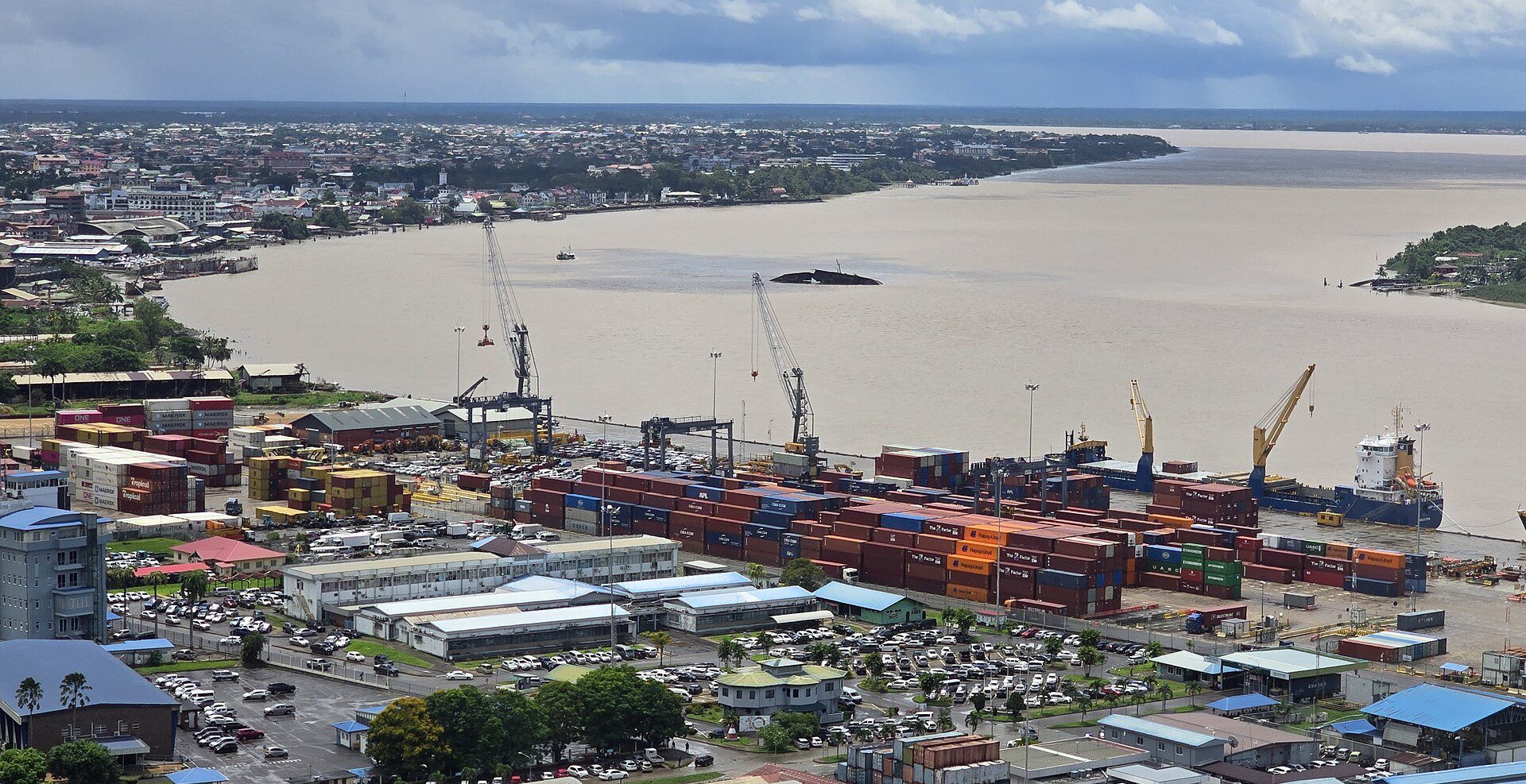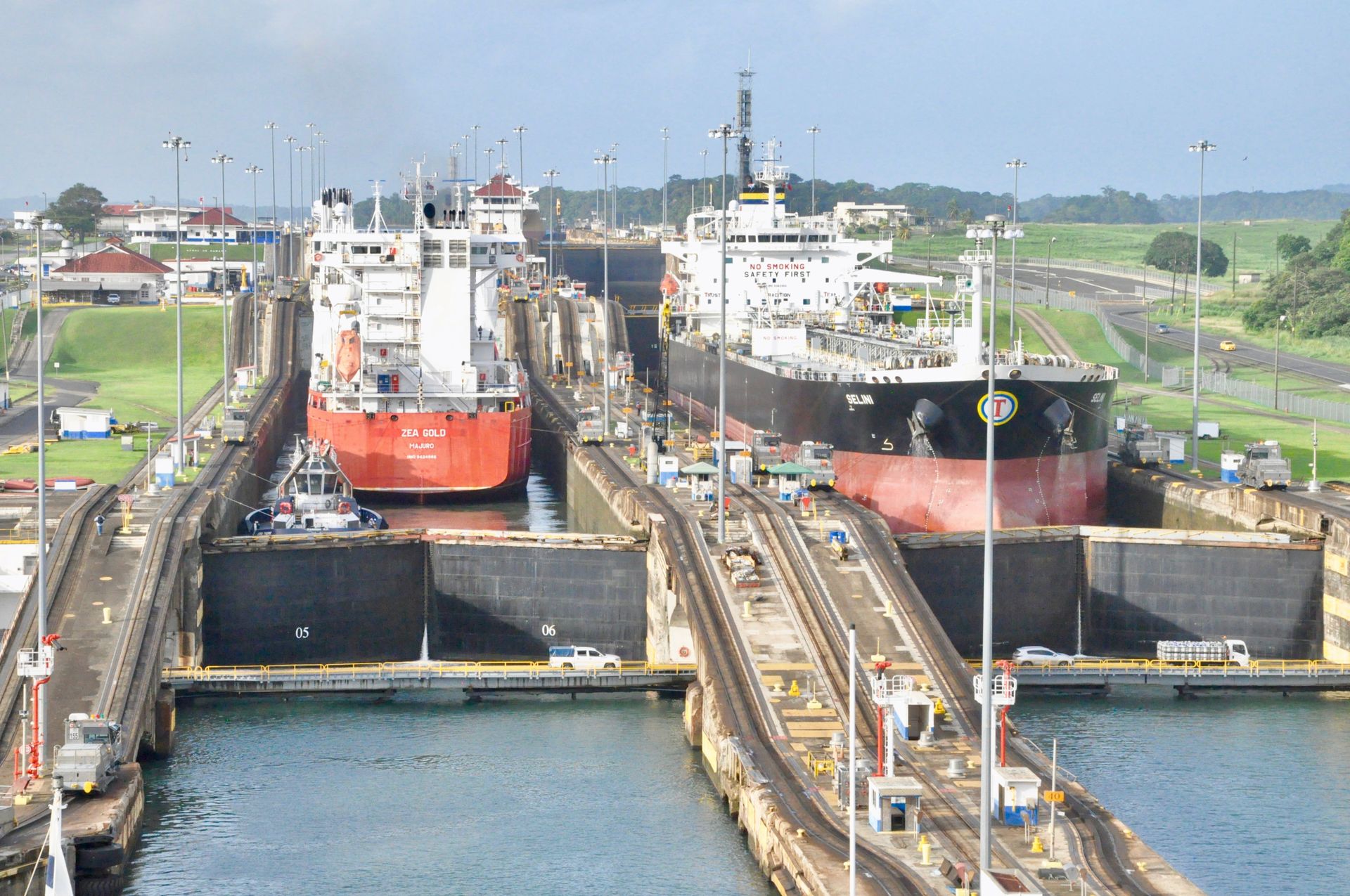
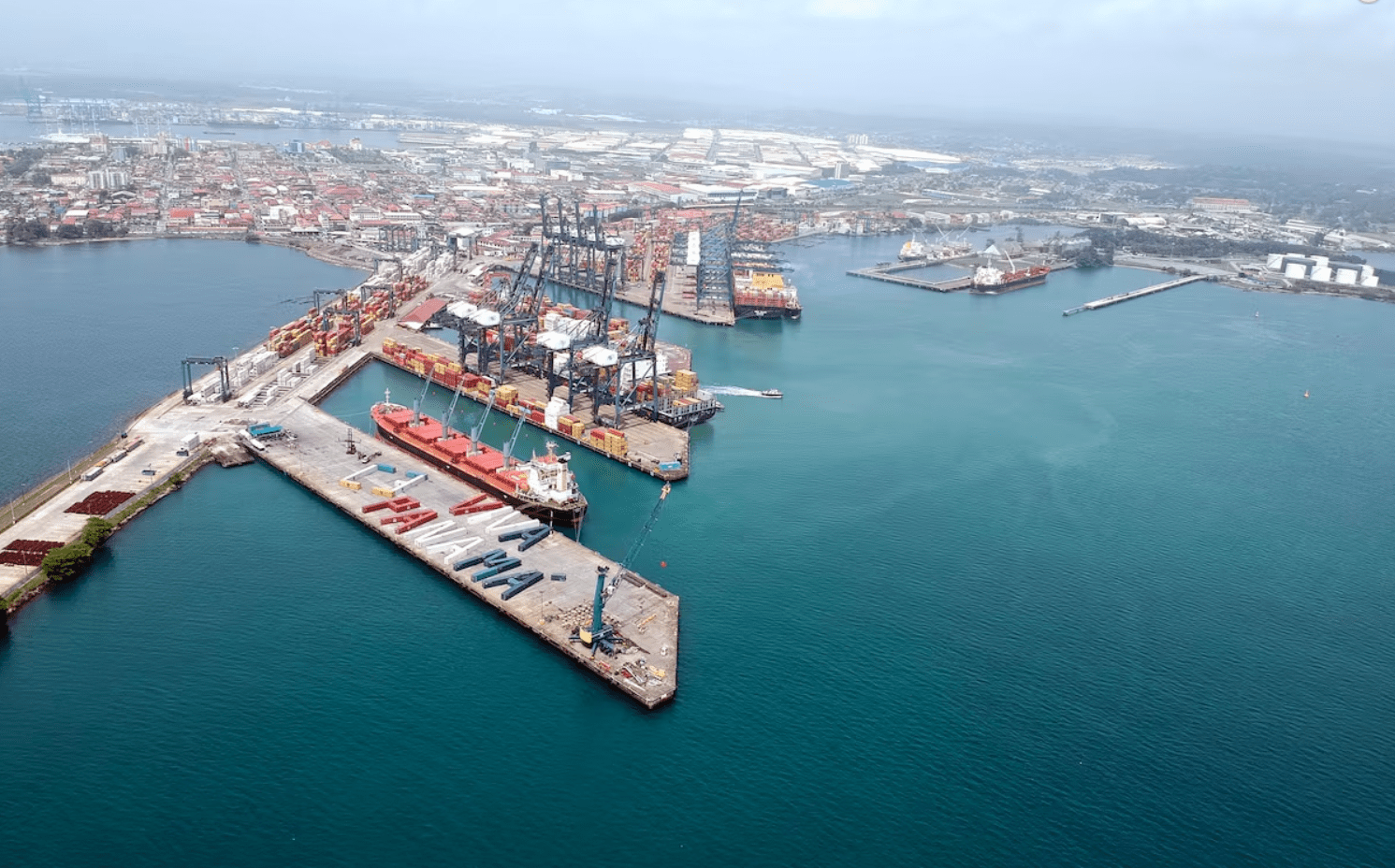
Panama’s Supreme Court has ruled unconstitutional the port concession contracts that allowed Panama Ports Company, a subsidiary of CK Hutchison, to operate the ports of Balboa and Cristóbal. Issued in late January 2026, the decision does not affect the operation of the Panama Canal itself, but it significantly alters the institutional and contractual framework governing two of the country’s most strategic container terminals.
A ruling with immediate legal and financial implications
The ruling is based on the legal and financial structure of the concession. According to information reported by international media, the Court found that the concession failed to meet constitutional requirements, particularly with regard to its contractual and fiscal terms. A public audit highlighted an estimated USD 1.2 to 1.3 billion loss of revenue for the Panamanian state, linked to tax exemptions and advantages granted during the extension of the concession. Panama Ports Company had operated the terminals since 1997 and stated that it invested approximately USD 1.8 billion in port infrastructure and equipment over that period.
Balboa, on the Pacific coast, and Cristóbal, on the Atlantic coast, are key assets in regional transshipment networks. In 2024, the two terminals handled around 3.8 million TEU. Balboa alone has an installed capacity of approximately 5 million TEU, positioning it among the leading transshipment hubs in Latin America and the Caribbean. These terminals play a central role in redistribution flows linking Asia, the US East Coast, Central America, the Caribbean and South America, operating in direct complementarity with Panama Canal transits.
Operational continuity under scrutiny as arbitration begins
Following the ruling, Panamanian authorities confirmed that port operations would continue without disruption. A transitional management framework has been put in place while the future concession model is clarified. For shipping lines, logistics operators and cargo interests, this interim phase represents a period of heightened attention. Even in the absence of operational shutdowns, changes in governance can influence investment priorities, subcontracting arrangements, IT systems and medium-term contractual visibility.
At the same time, CK Hutchison has initiated international arbitration proceedings against the Panamanian state. This legal action introduces a potentially lengthy timeline, possibly extending over several years. For market participants, the coexistence of day-to-day operations with an unresolved legal dispute raises questions around contractual stability and future investment decisions.
Beyond Panama, the ruling is being closely watched by terminal operators, investors and port authorities across Latin America and the Caribbean. It highlights the growing importance of constitutional compliance, contractual transparency and fiscal balance in port concession models, at a time when the sector is undergoing consolidation and large-scale capital transactions at a global level.
In the coming months, several factors will be critical for maritime and logistics professionals: the practical terms of transitional port management, announcements regarding a new concession framework, developments in the arbitration process, and operational performance indicators such as terminal productivity and vessel turnaround times. While the Panama Canal itself remains fully operational, the institutional reset affecting its main port gateways introduces a new layer of risk that shipping and logistics players will need to factor into their network and operational strategies.