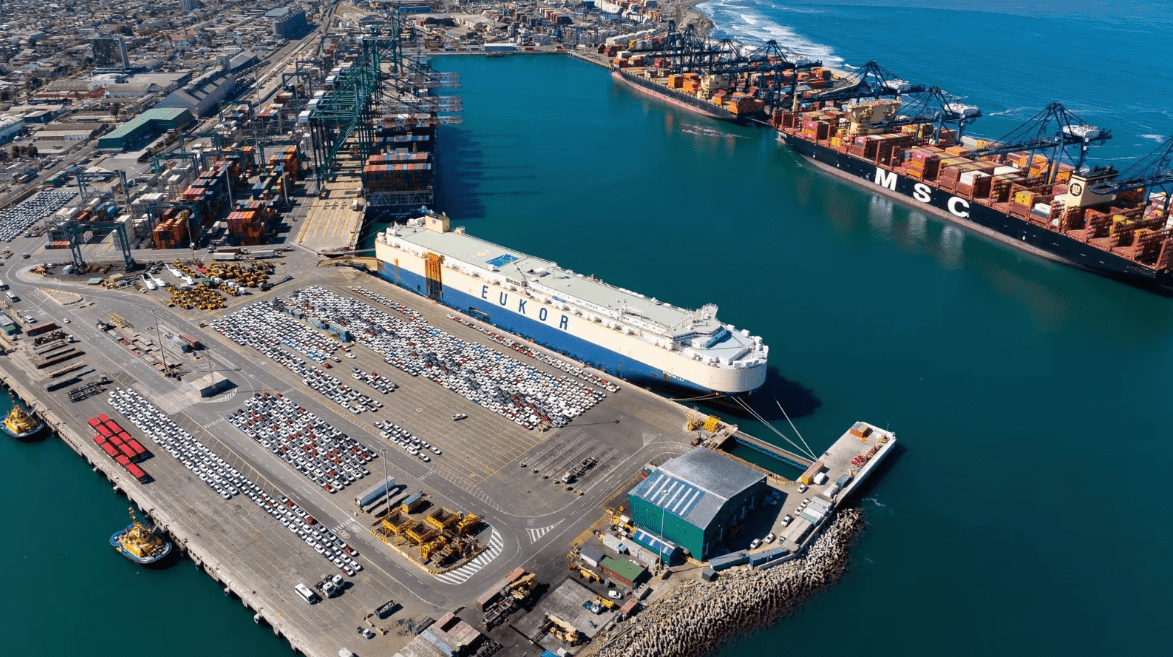
DP World’s San Antonio terminal closed the 2025–26 cruise season with a notable milestone: nearly half a million cruise visitors welcomed since operations began in 2017. While the figure highlights the growing appeal of Chile’s central coast as a cruise destination, it also comes at a moment when the company is pursuing a broader strategic objective — strengthening San Antonio’s role as one of the South Pacific’s key logistics and trade gateways.
The convergence of cruise growth and planned infrastructure expansion offers a glimpse into how DP World sees the future of the port: not only as a passenger gateway, but as an increasingly important hub connecting tourism, trade and regional economic development.
A milestone season for cruise activity
During the 2025–26 cruise season, DP World’s San Antonio terminal welcomed more than 58,000 passengers and crew across 14 vessel calls. The season also marked a cumulative milestone of 491,000 visitors arriving aboard 157 cruise ships since the terminal received its first cruise vessel in April 2017.
These figures reinforce San Antonio’s growing importance within Chile’s cruise industry and the broader South Pacific cruise market. Located in the country’s central region and within reach of Santiago, the port has become an increasingly important entry point for international cruise itineraries operating along South America’s Pacific coast.
The achievement reflects nearly a decade of operational development, supported by investments in terminal infrastructure, passenger services and digital systems designed to improve the visitor experience.
Cruise growth supports a wider tourism economy
The growth of cruise activity in San Antonio takes place within a tourism sector that plays a significant role in Chile’s economy.
According to figures cited by DP World, tourism contributes approximately US$9.3 billion directly to Chile’s GDP and US$28.1 billion overall, accounting for around 10% of national economic activity and supporting roughly one million jobs.
Cruise operations form part of this broader ecosystem. Beyond passenger arrivals, cruise calls generate economic activity for local businesses, tourism operators, transport providers and hospitality services, while also supporting seasonal employment opportunities in port communities.
Chile’s international profile as a cruise destination has also strengthened in recent years. The country has been recognised as the World’s Leading Cruise Destination by the World Travel Awards, reflecting continued investment in tourism infrastructure and coordinated efforts between public and private stakeholders.
Within this landscape, San Antonio ranks among Chile’s leading cruise ports, alongside destinations such as Patagonia and Puerto Montt.
Beyond tourism, a broader logistics strategy emerges
While the cruise milestone attracted attention, DP World’s longer-term ambitions for San Antonio extend far beyond passenger traffic.
In March 2026, the company confirmed that it had begun formal discussions with Empresa Portuaria San Antonio (EPSA) regarding new investments in its multipurpose terminal and a potential extension of its concession through 2041.
The proposed development would increase terminal capacity by approximately 30%, bringing annual throughput capacity to 1.3 million TEUs.
For DP World, the project is designed to maintain the competitiveness, productivity and safety standards required to support Chile’s growing international trade flows. Planned investments include new infrastructure works and the deployment of advanced cargo-handling equipment.
The announcement suggests that the company views San Antonio not only as a successful cruise destination, but also as a strategic asset within Chile’s maritime and logistics network.
Strengthening San Antonio’s role in South Pacific trade
One of the distinguishing features of DP World’s San Antonio operation is its multipurpose nature.
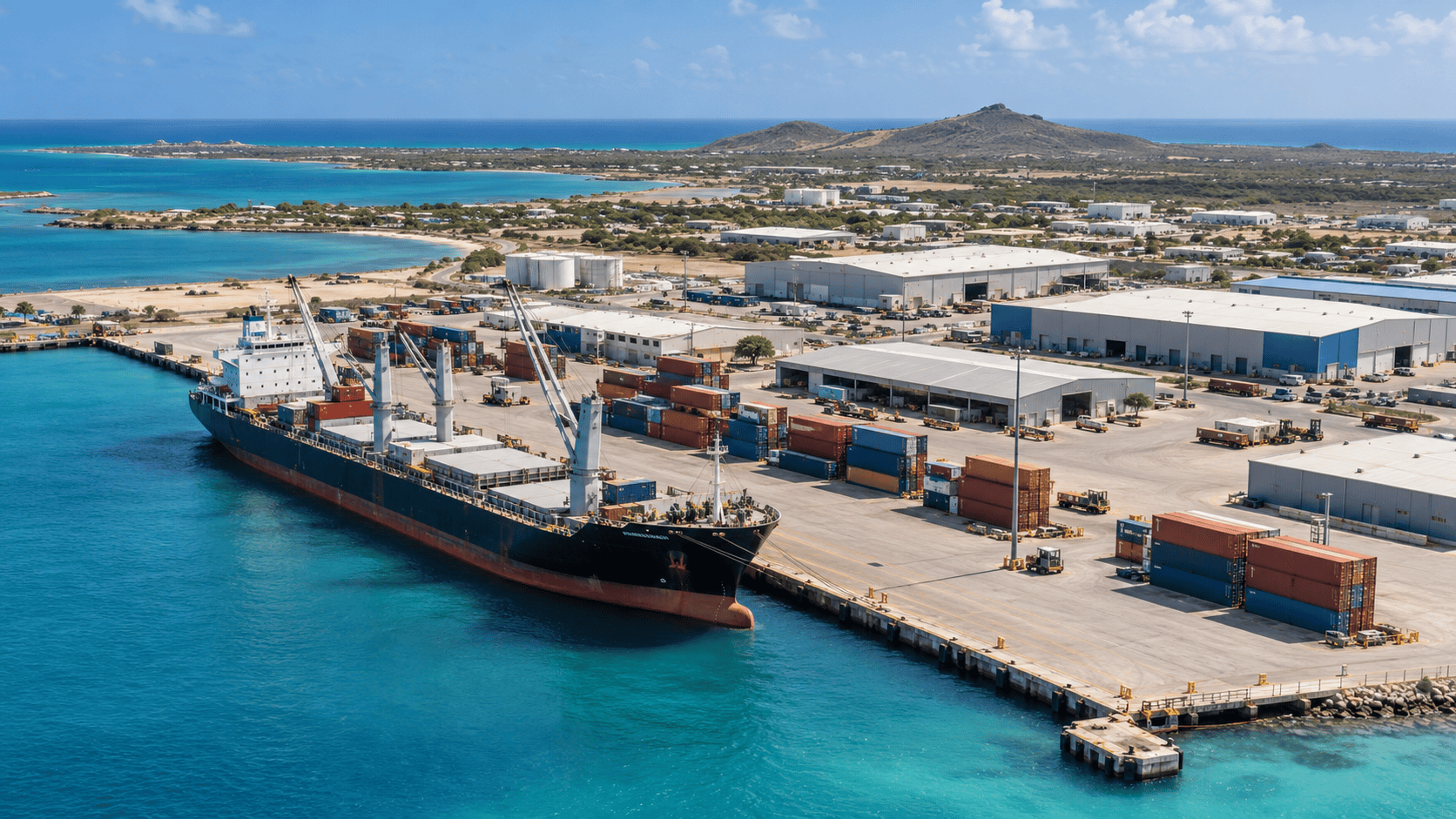
The terminal handles a diverse mix of cargo and passenger activities, including container traffic, vehicle imports, bulk cargo and cruise operations. This diversification provides operational flexibility and allows the port to serve multiple segments of Chile’s economy simultaneously.
As global supply chains continue to evolve and competition among ports intensifies, the ability to combine cargo handling, logistics services and passenger operations within a single integrated platform could strengthen San Antonio’s position on the South Pacific coast.
An expansion to 1.3 million TEUs would further enhance the terminal’s capacity to accommodate future trade growth while supporting the logistics requirements of Chile’s central region.
Connectivity at the centre of DP World’s strategy
A common theme links both the cruise milestone and the planned terminal expansion: connectivity.
DP World has consistently framed its investments in San Antonio around the objective of improving connections between Chile and global markets. Whether through facilitating tourism flows, enhancing cargo capacity or modernising port infrastructure, the company’s strategy is centred on creating a more efficient and integrated gateway for international movement.
“This season’s performance reflects the strength of collaboration across the port community and the consistent delivery of safe, efficient, and high-quality operations,” said Curtis Doiron, CEO of DP World in Chile.
He added that reaching nearly half a million visitors since 2017 demonstrates both Chile’s growing appeal as a destination and the importance of reliable port infrastructure in supporting tourism and economic development.
The company also emphasises close coordination with port authorities, government agencies and local stakeholders as part of its effort to strengthen Chile’s international connectivity and long-term competitiveness.
Looking beyond the milestone
The 491,000-visitor milestone represents an important achievement for San Antonio’s cruise business, underscoring the port’s growing role in Chile’s tourism landscape.
Yet the more significant story may lie in what comes next. With plans to expand capacity, extend its concession and reinforce its logistics capabilities, DP World appears to be positioning San Antonio for a larger role within South America’s Pacific maritime network.
For the port, the latest cruise season may therefore be remembered not only as a record-setting year for passenger activity, but also as a marker of a broader transition toward becoming a more influential logistics and connectivity hub for Chile and the South Pacific region.