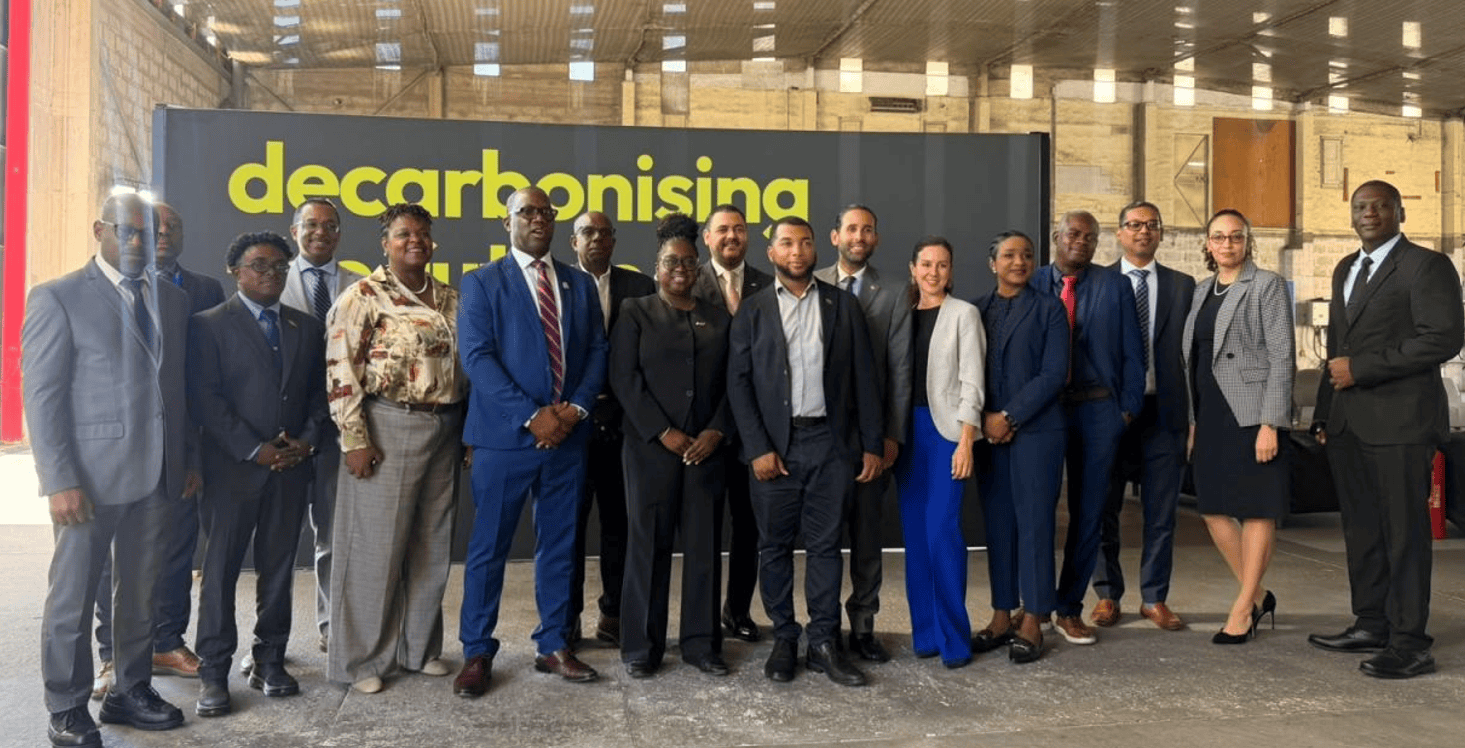
Caribbean port officials visited Malta from October 12 to 16, 2026, to examine shore power infrastructure and strengthen exchanges with European maritime stakeholders. Organised alongside the Decarbonising the Future (DTF) 2026 conference, the visit brought together representatives of 11 Caribbean port authorities to explore technologies and potential partnerships for port decarbonisation.
Caribbean Delegation Examines Malta’s Shore Power Infrastructure
During the visit, Caribbean port representatives met with Malta’s Minister for Sustainable Mobility, Chris Bonett, and observed the operation of the country’s shore power infrastructure.
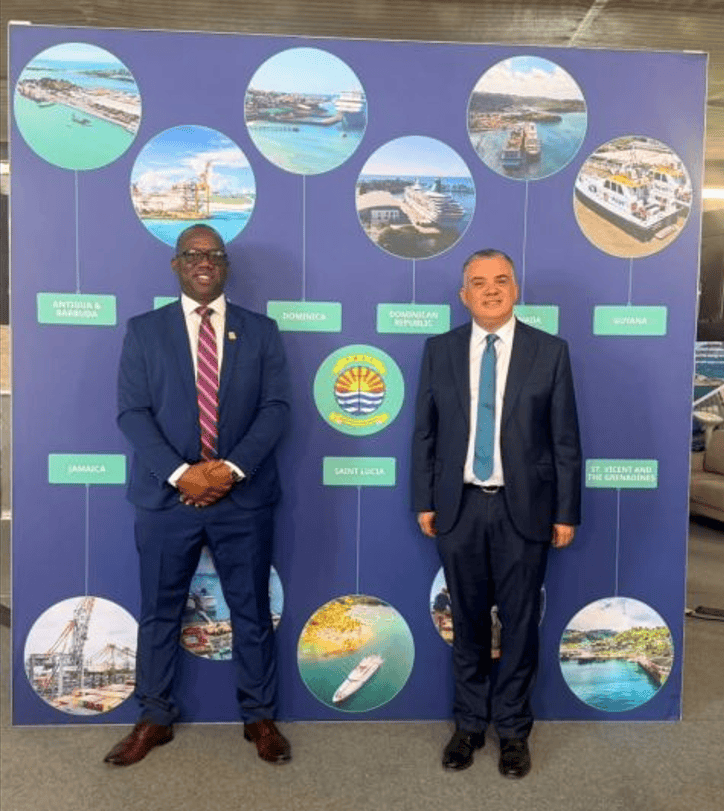
Dr. Darwin Telemaque, Chairman of the Port Management Association of the Caribbean (PMAC) and CEO of the Antigua and Barbuda Port Authority, highlighted the exchange in an October 16 LinkedIn post.
“We were quite pleased to witness both the plugging of the ship and the power generating system,” Darrwin Telemaque wrote, referring to the delegation’s observation of the vessel connection process and associated electrical facilities.
Malta’s Grand Harbour operates an onshore power supply (OPS) system that enables compatible cruise ships to connect to electricity from land while berthed, reducing the need to run onboard auxiliary engines.
Completed in 2024, the infrastructure includes 17 connection points across Pinto Wharf, Deep Water Quay and Boiler Wharf. The EU-supported project was developed to reduce emissions and noise from cruise vessels operating near densely populated areas around Grand Harbour.
A Caribbean–EU Exchange on Port Electrification
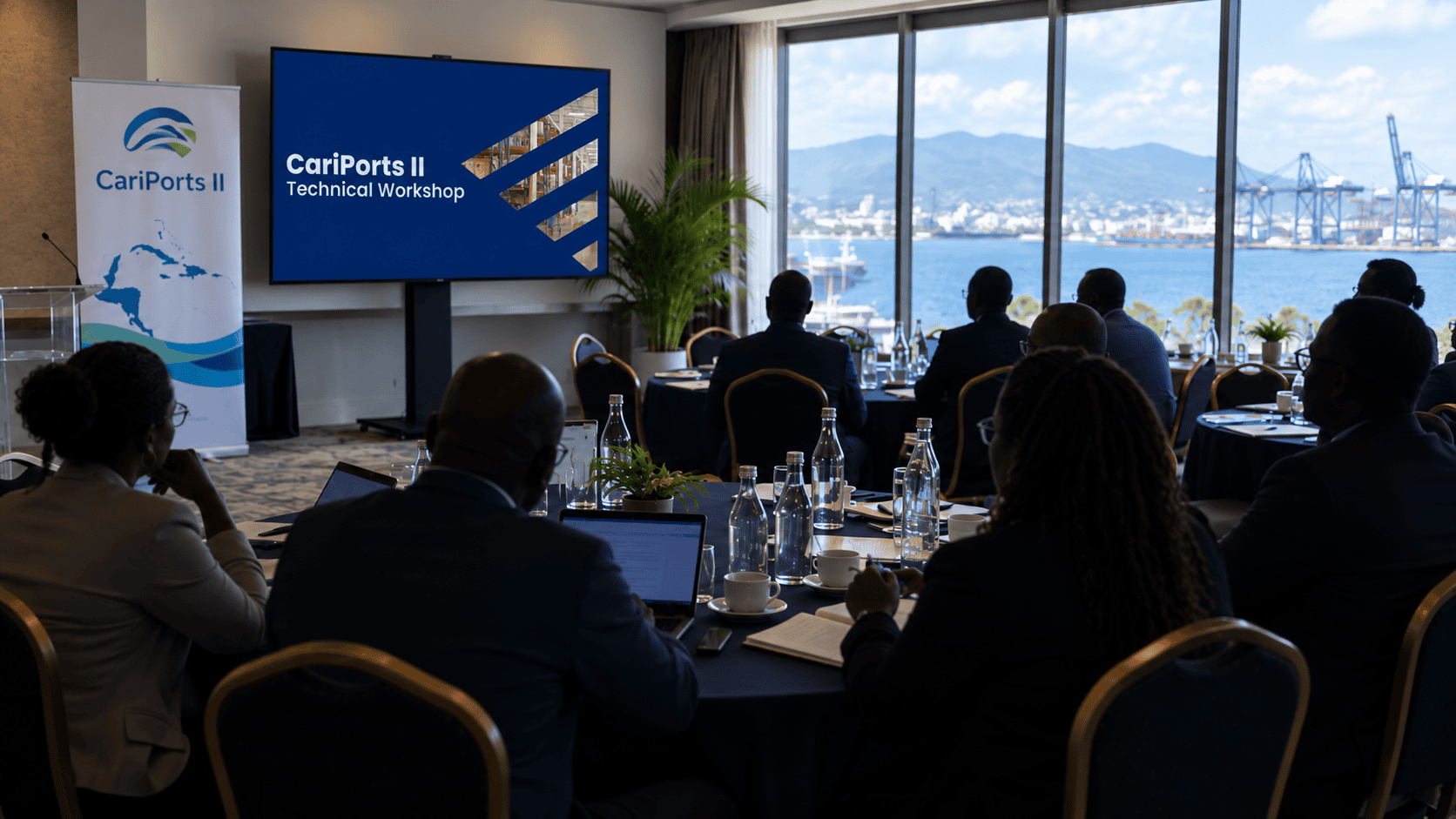
The visit formed part of the Caribbean–EU Study Visit on Port Sustainability and Decarbonization, held in conjunction with DTF 2026 in Valletta, Malta, on October 13–14.
The programme brought together representatives of 11 Caribbean port authorities through PMAC, in cooperation with the European Union and Fundación para la Internacionalización de las Administraciones Públicas (FIAP), an EU implementing partner.
Organised within the framework of the EU’s Global Gateway strategy, the initiative focused on maritime connectivity, sustainable port infrastructure and the exchange of technical expertise between Caribbean and European stakeholders.
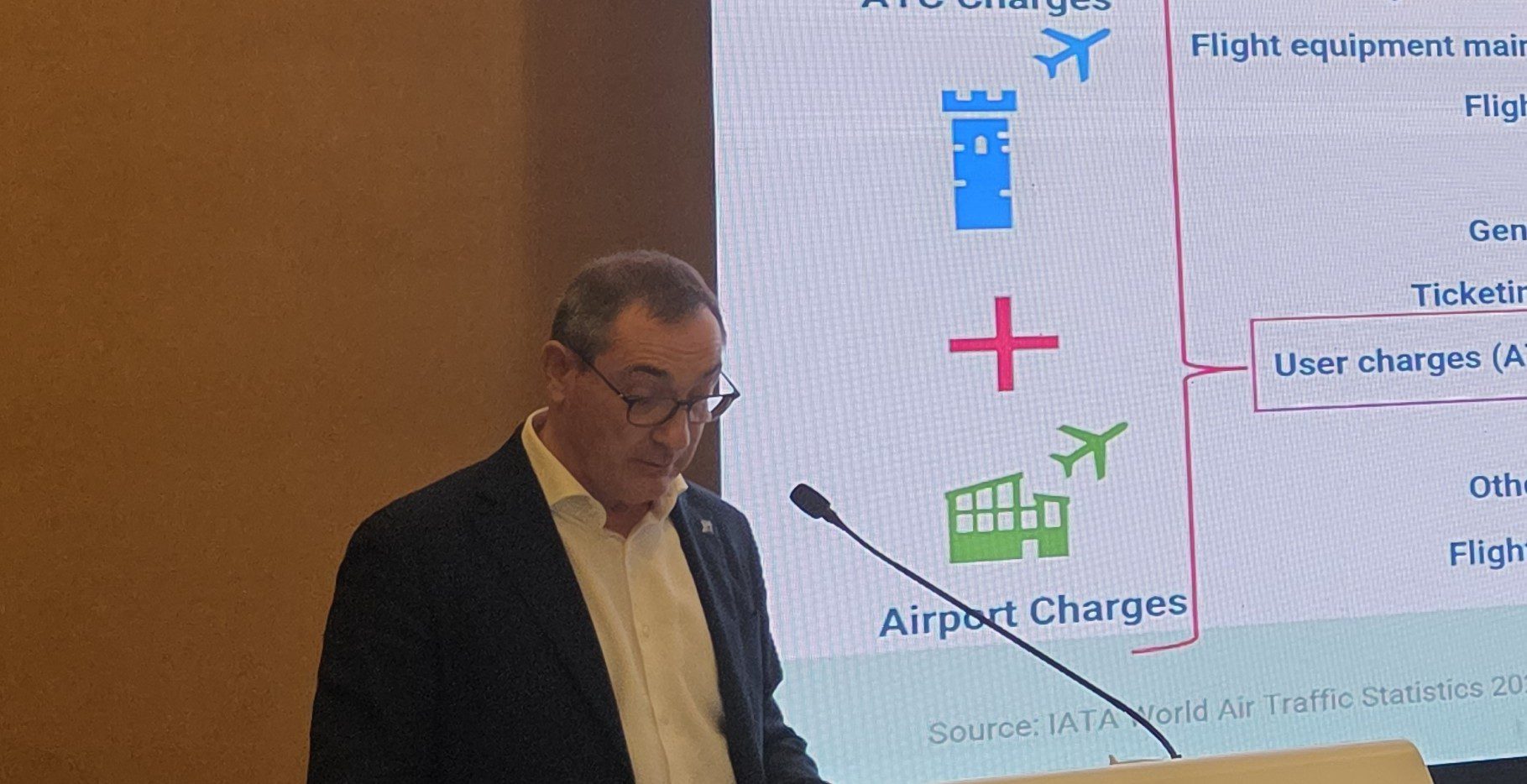
Participants had opportunities to engage with European port authorities, technology providers, policymakers and potential investors. The programme addressed shore power, renewable energy integration, electrified port equipment, alternative fuels and approaches to financing sustainable infrastructure.
A dedicated session on developing a Caribbean approach to onshore power also formed part of the conference programme, placing regional requirements at the centre of discussions on port electrification.
Exploring Applications for Caribbean Ports
The Malta visit offered Caribbean port authorities an opportunity to examine operational shore power infrastructure and consider how similar systems might be adapted to their own facilities.
Such projects involve more than the installation of electrical connections at berth. Their implementation depends on grid capacity, electricity availability, vessel compatibility and the investment required to support port-side infrastructure.
These considerations are particularly relevant for smaller island ports, where energy systems and infrastructure financing can influence the feasibility of electrification projects.
Through the Caribbean–EU programme, participating authorities were able to exchange technical knowledge and explore potential cooperation with European maritime and energy stakeholders.
The available programme information does not identify any confirmed shore power investments resulting from the visit. The discussions nevertheless provided a basis for examining possible technical partnerships and future projects tailored to Caribbean port requirements.
Photo credit: Dr. Darwin Telemaque on Linkedin
FAQ
Why did Caribbean port officials visit Malta in October 2026?
Caribbean port officials visited Malta from October 12 to 16, 2026, to examine shore power infrastructure, exchange technical expertise and explore cooperation with European maritime stakeholders on port decarbonisation.
What shore power infrastructure did the Caribbean delegation examine?
The delegation observed Malta’s Grand Harbour onshore power supply system, which includes 17 connection points and allows compatible cruise ships to use electricity from land while berthed.
Which organisations supported the Caribbean–EU port sustainability visit?
The programme involved the Port Management Association of the Caribbean (PMAC), the European Union and FIAP, an EU implementing partner, within the framework of the Global Gateway strategy.
Did the Malta visit lead to confirmed shore power investments in Caribbean ports?
No specific Caribbean shore power investments were identified as confirmed outcomes in the available programme information. The visit focused on technical exchanges, operational experience and potential cooperation.