Climate risk is rapidly becoming one of the most decisive variables shaping the future of Caribbean port infrastructure. Across the region, port authorities are increasingly confronted with a combination of rising sea levels, stronger storm systems and more frequent coastal flooding. What was once treated primarily as an environmental concern is now emerging as a core operational and investment challenge for the maritime sector.
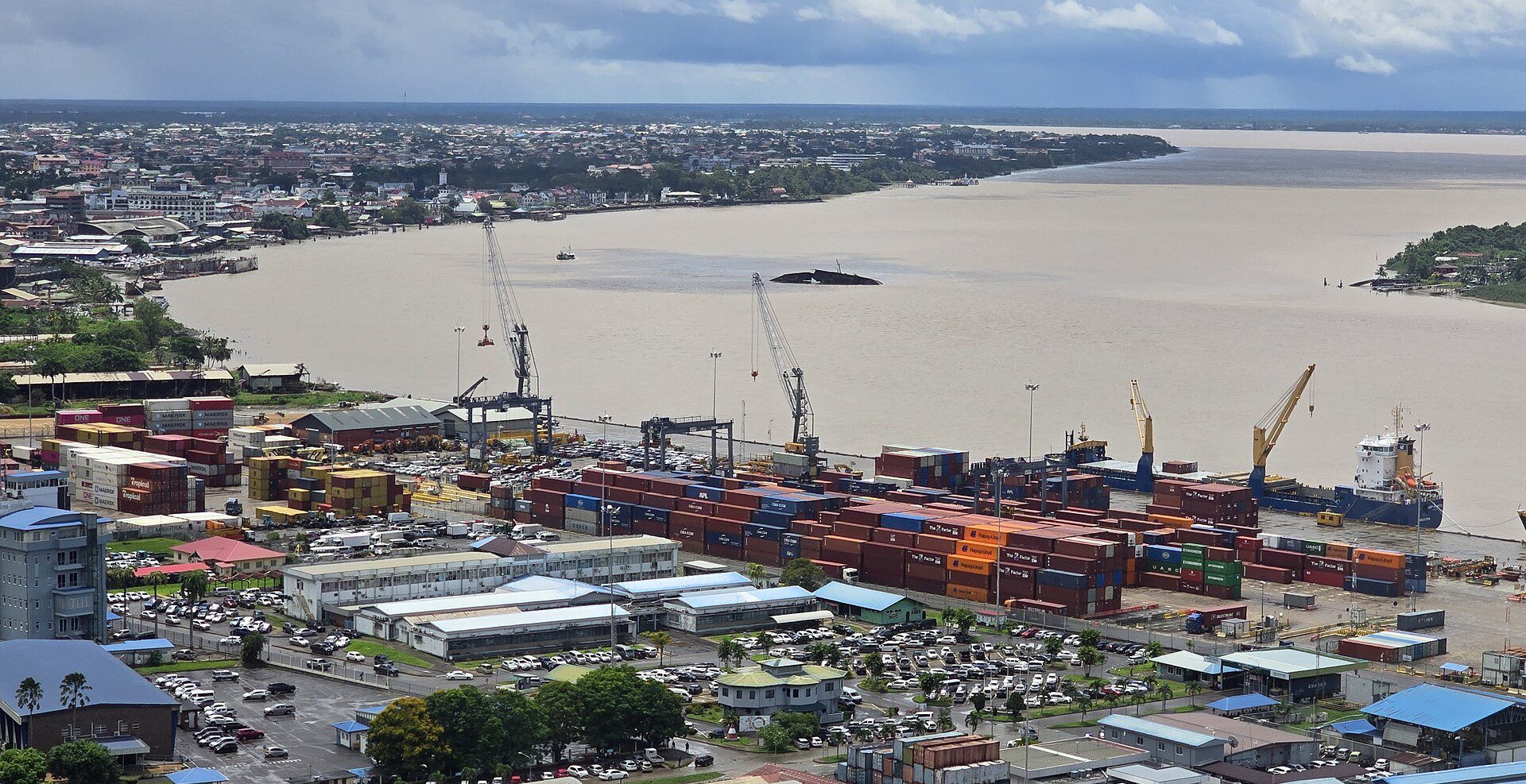
At the 55th Annual Conference of the Caribbean Shipping Association (CSA), held in Paramaribo in October 2025, several technical presentations highlighted the growing exposure of Caribbean port infrastructure to climate-related risks. Experts emphasized that many ports across the region were originally designed under environmental assumptions that no longer reflect current climatic realities. As a result, resilience planning is shifting from a long-term environmental objective to an immediate infrastructure priority.
Rising Climate Exposure for Coastal Infrastructure
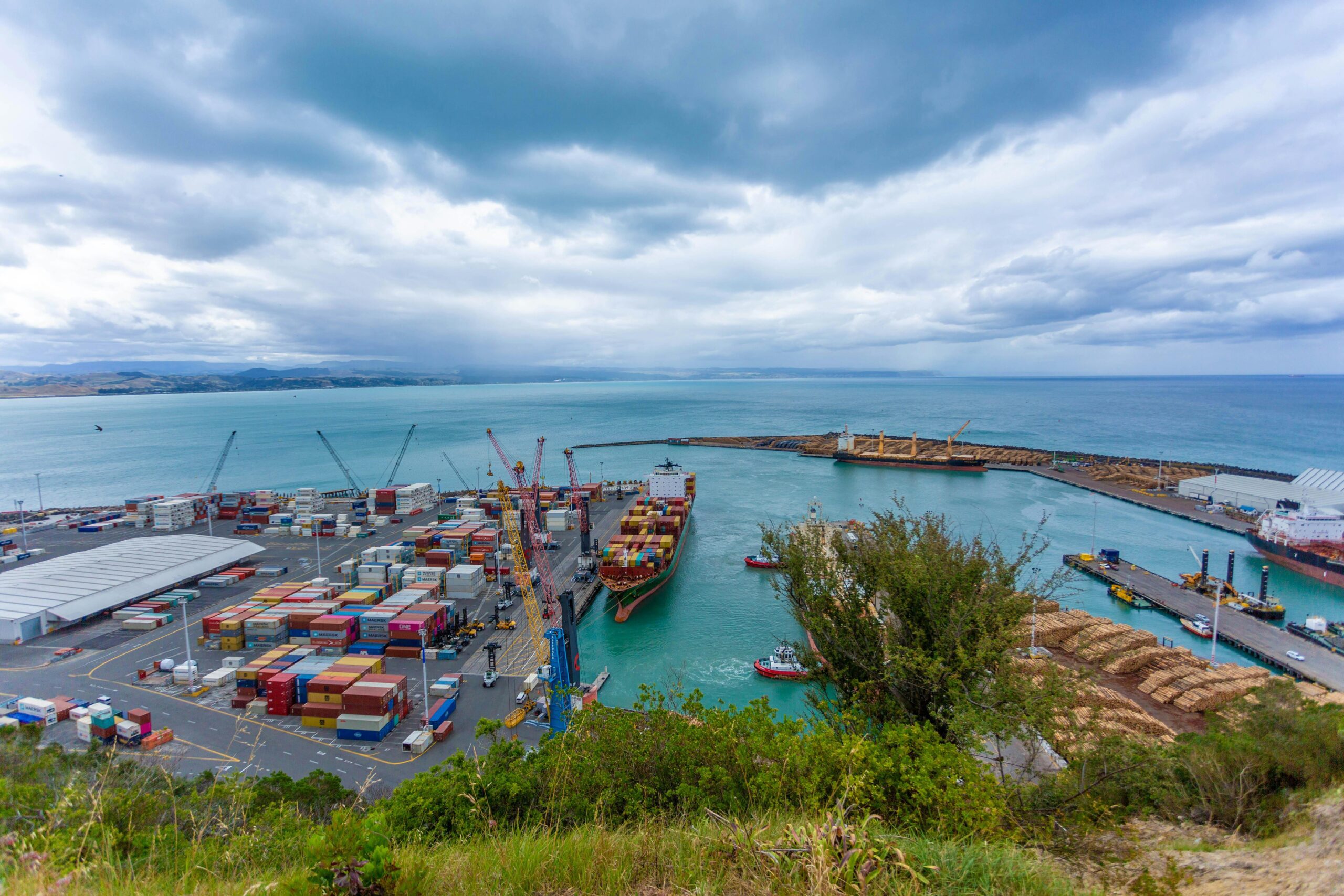
Caribbean ports are among the most exposed maritime infrastructures in the world. Most major port facilities in the region are located directly along low-lying coastlines or within estuarine environments. These locations offer operational advantages for maritime access but also create direct exposure to storm surges, coastal erosion and sea level rise.
Scientific assessments presented during the conference pointed to the accelerating nature of these risks. Global mean sea levels have already risen by roughly 20 centimeters since the beginning of the twentieth century, and projections indicate that additional increases of 30 to 80 centimeters could occur by the end of the century depending on emissions trajectories. Even moderate sea level increases can significantly amplify storm surge impacts on port terminals, container yards and electrical infrastructure.
In the Caribbean basin, where tropical cyclone activity remains a constant operational threat, higher baseline sea levels can dramatically increase flood risks during major storms. Ports that previously experienced limited flooding during extreme weather events may now face regular operational disruptions.
Infrastructure Designed for a Different Climate
Many Caribbean port facilities were designed decades ago, when climate resilience considerations were not yet embedded in infrastructure planning. Quay elevations, drainage systems and breakwater designs were generally optimized for historical weather patterns rather than projected future conditions.
During the CSA conference, maritime infrastructure specialists emphasized that this design legacy is now creating structural vulnerabilities. Port terminals constructed in the 1970s and 1980s often lack sufficient elevation margins to accommodate rising sea levels combined with storm surges. Electrical systems, cargo handling equipment and container storage areas may be particularly exposed to flood damage.
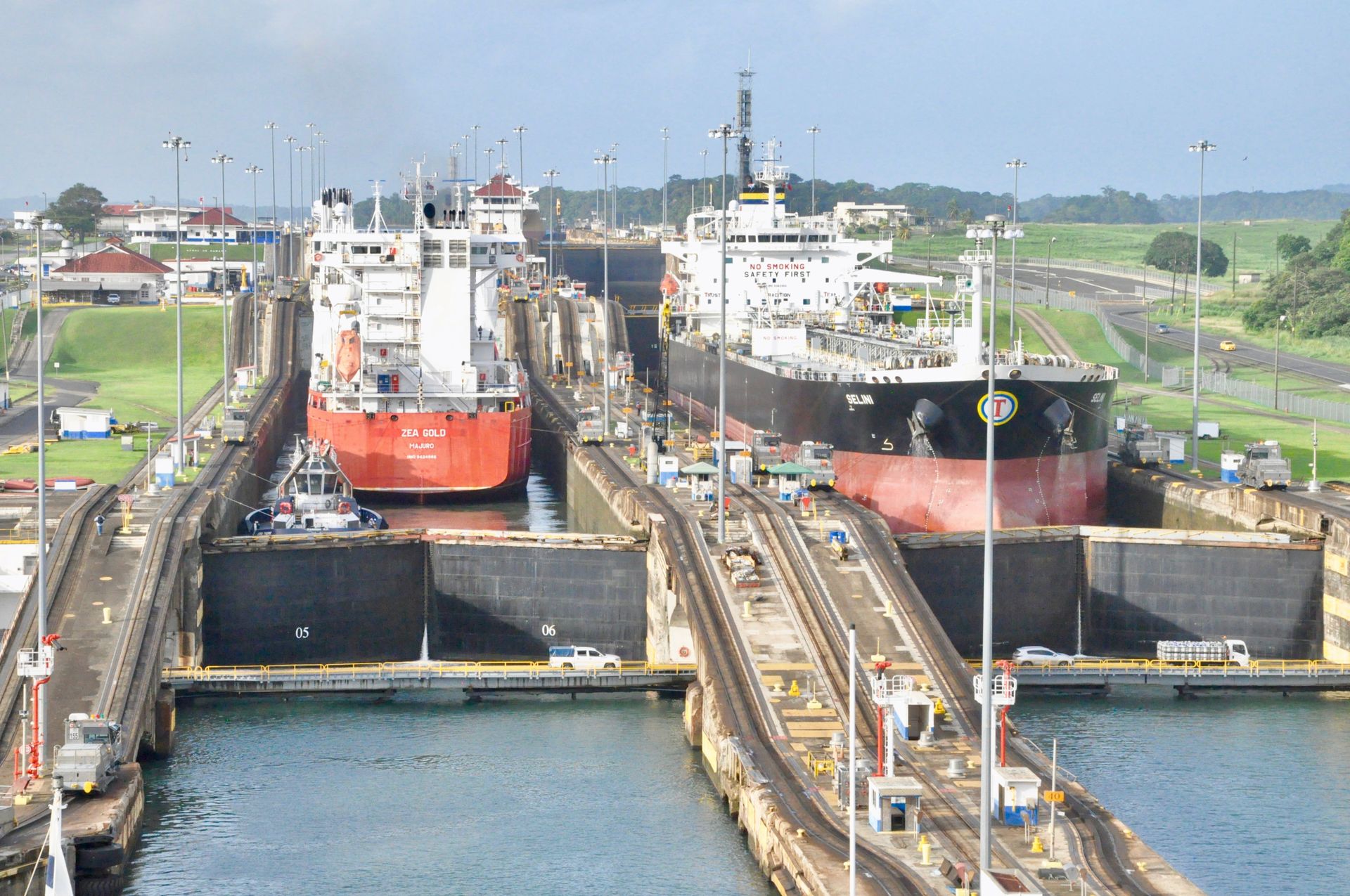
The challenge is compounded by the long lifespan of port infrastructure. Major quay structures, breakwaters and dredged access channels typically operate for several decades before large-scale reconstruction becomes feasible. This means that adaptation strategies must often be integrated into existing facilities rather than implemented through entirely new port developments.
Emerging Approaches to Climate-Resilient Port Design
As climate exposure becomes more evident, port authorities and engineering firms are beginning to incorporate resilience criteria into infrastructure planning. Several adaptation strategies were highlighted during the conference as part of emerging international best practices.
One approach involves raising quay elevations and reinforcing coastal protection structures to account for projected sea level rise. In some cases, new port terminals are being designed with higher deck levels and reinforced seawalls to absorb storm surge impacts.
Drainage and water management systems are also receiving greater attention. Improved pumping capacity, redesigned drainage networks and flood-resistant electrical installations can help reduce operational disruption during extreme weather events.
Another dimension of resilience planning involves operational redundancy. Ports are increasingly exploring backup power systems, reinforced communications infrastructure and emergency logistics protocols to maintain continuity during climate-related disruptions.
The Guadeloupe Experience
Practical examples of climate adaptation are beginning to emerge across the region. During the CSA conference, the experience of Guadeloupe was presented as a case study illustrating how port authorities are integrating climate risk assessments into infrastructure management.
The Port of Guadeloupe has initiated studies to evaluate the vulnerability of port installations to rising sea levels and extreme weather events. These assessments aim to identify the most exposed areas of the port system and prioritize adaptation investments accordingly.
Such initiatives reflect a broader trend in which climate risk analysis is becoming a standard component of long-term port planning. Instead of treating climate resilience as a secondary environmental consideration, port authorities are increasingly incorporating it into infrastructure investment strategies and operational planning frameworks.
The Financial Dimension of Adaptation
Climate adaptation also introduces significant financial challenges. Reinforcing port infrastructure, elevating quay structures or upgrading coastal defenses can require substantial capital investment. For many Caribbean port authorities, which operate within relatively small domestic markets, financing large-scale resilience projects represents a major constraint.
At the same time, failure to adapt may prove even more costly. Flood damage to container handling equipment, terminal buildings or electrical systems can interrupt port operations and generate significant repair costs. Repeated operational disruptions can also affect shipping reliability and reduce a port’s attractiveness to global carriers.
As a result, climate resilience is increasingly viewed not only as a defensive measure but also as a competitiveness factor. Ports capable of maintaining reliable operations during extreme weather events may gain strategic advantages within regional shipping networks.
Climate Resilience as a New Maritime Investment Priority
The discussions at the Caribbean Shipping Association conference highlighted a broader transformation underway within the regional maritime sector. Climate resilience is gradually moving to the center of infrastructure planning and investment strategies.
For decades, port development strategies in the Caribbean focused primarily on capacity expansion, equipment modernization and trade facilitation. Today, resilience is becoming an equally important dimension of infrastructure planning.
As climate risks intensify and infrastructure lifecycles extend over multiple decades, the ability of Caribbean ports to anticipate and integrate adaptation measures will increasingly influence their long-term competitiveness.
The maritime sector in the region is therefore entering a new phase in which climate adaptation is no longer optional. It is becoming a structural requirement for sustaining port operations in a changing environment.
Source: Analysis based on presentations delivered at the 55th Annual Conference of the CSA, including contributions on climate-resilient port infrastructure and coastal adaptation strategies.