For decades, success in the Caribbean cruise industry was often measured by the number of ship calls a destination could attract. Today, a different competition is taking shape.
Across the region, ports and tourism authorities are increasingly focused on securing homeport operations rather than simply welcoming transit passengers. The distinction is significant. While a traditional port of call generates economic activity during a ship’s visit, a homeport functions as the operational starting or ending point of a cruise itinerary, creating a much broader economic footprint across the local economy.
Discussions during the 2025 FCCA Cruise Conference highlighted how homeporting is becoming one of the most strategic growth opportunities in the regional cruise sector. For destinations seeking to capture a greater share of cruise-related value, the challenge is no longer simply attracting ships—it is creating the conditions that encourage cruise lines to base operations locally.
The economics of homeporting extend far beyond the port
The appeal of homeporting lies in its multiplier effect.
Unlike transit passengers, homeport guests often arrive before embarkation and stay after disembarkation. Their spending extends beyond excursions and souvenir purchases to include hotels, restaurants, airport transfers, local transportation and additional tourism activities.
Cruise operations themselves also generate significant demand for provisioning, waste management, bunkering services, logistics support and other port-related activities.
As cruise lines continue to expand capacity across the Caribbean, these additional revenue streams are becoming increasingly attractive for destinations seeking to maximize the economic impact of cruise tourism.
Industry speakers at the FCCA conference described homeporting as more than a logistical convenience. As Carnival Cruise Line’s Carlos Estrada noted during a dedicated workshop, “Homeporting isn’t just a convenience – it’s a catalyst for growth.”
That perspective reflects a broader shift in how many destinations now view cruise development. The objective is no longer simply increasing passenger volumes. It is capturing a larger share of the value chain surrounding cruise operations.
Infrastructure is becoming the price of admission
The opportunities associated with homeporting come with considerably higher operational requirements.
A transit call may require efficient passenger movement for a few hours. Homeport operations demand an entirely different level of infrastructure.
Cruise lines must be able to process embarking and disembarking passengers efficiently, manage baggage flows, coordinate ground transportation, handle provisioning activities and ensure seamless security procedures. Larger ships add further complexity, requiring terminals capable of accommodating thousands of passengers within compressed turnaround windows.
This reality is reshaping investment priorities across the Caribbean.
Ports seeking to attract homeport business are increasingly focusing on terminal modernization, expanded passenger facilities, traffic management systems and operational efficiencies capable of supporting next-generation vessels.
The result is a growing divide between destinations able to support these requirements and those whose infrastructure remains primarily geared toward traditional port-of-call traffic.
Airports are becoming part of the cruise equation
One of the most important consequences of the homeporting trend is the growing integration between aviation and cruise strategy.
A successful homeport cannot function without reliable air connectivity.
Cruise passengers must be able to reach embarkation points efficiently and at competitive prices. Airlines, airports and tourism authorities therefore become essential stakeholders in the cruise ecosystem.
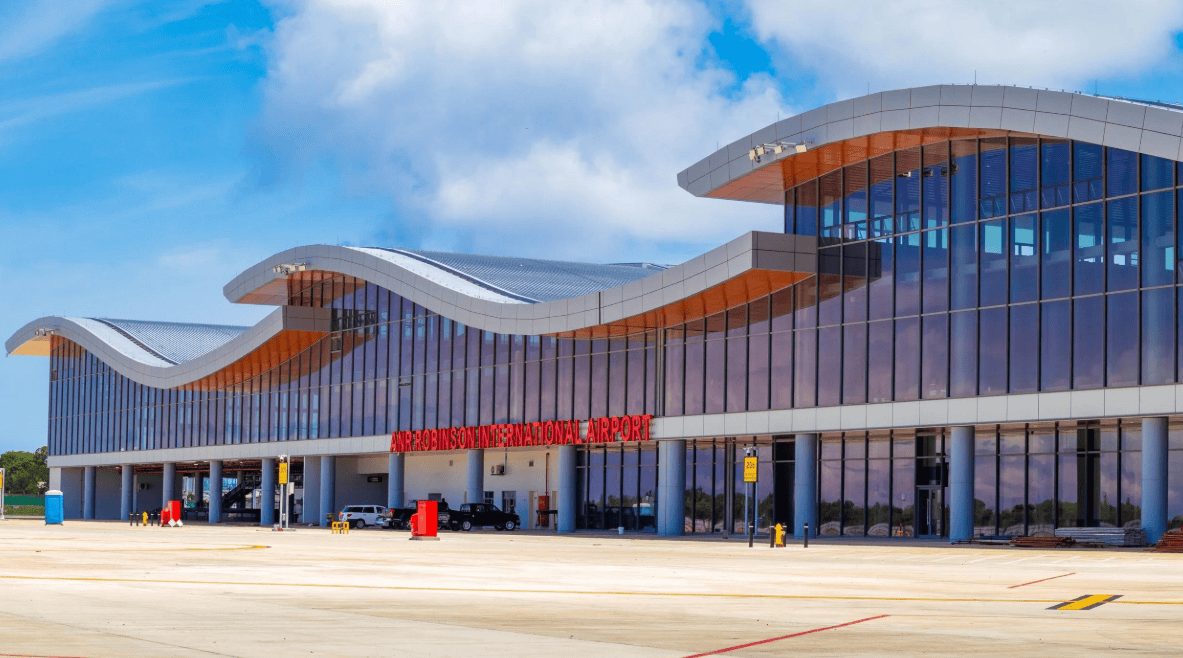
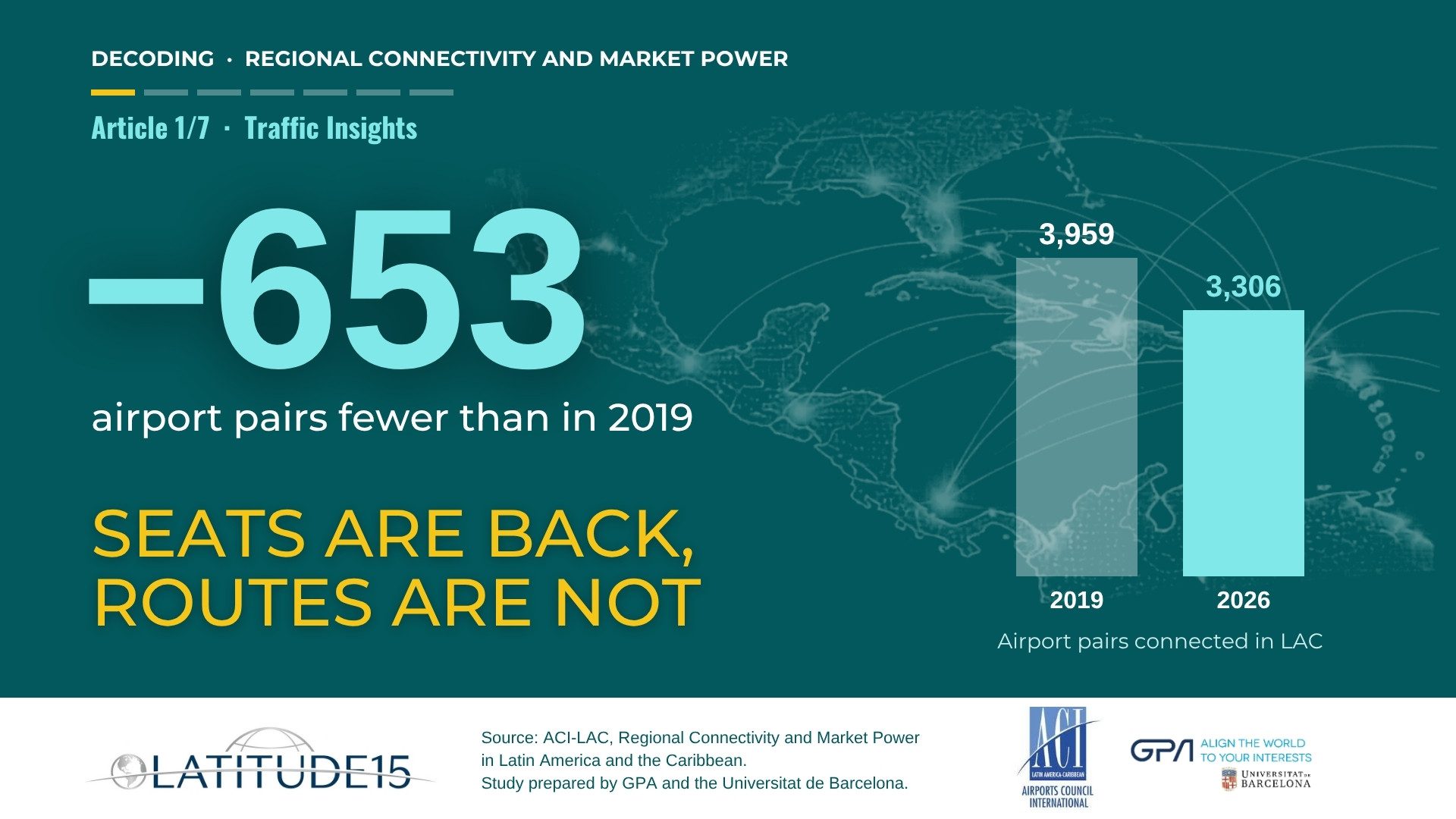
This interdependence is becoming increasingly visible across the Caribbean. Destinations seeking to strengthen their homeport position are often pursuing parallel investments in airport infrastructure, route development and passenger connectivity.
For cruise lines, accessibility can be just as important as destination appeal. A port may offer attractive tourism assets, but limited air access can constrain its ability to support large-scale homeport operations.
As a result, cruise growth is becoming more closely linked to broader transportation planning and regional connectivity strategies.
The next competition may be between hubs rather than destinations
The rise of homeporting is also changing the nature of regional competition.
Historically, destinations largely competed to attract cruise calls and shore excursions. Increasingly, however, the competition is shifting toward becoming regional operational hubs.
Cruise lines evaluating future deployments are assessing a much wider range of factors:
- terminal capacity,
- operational efficiency,
- airport connectivity,
- provisioning capabilities,
- transportation networks,
- regulatory predictability,
- and long-term investment commitments.
This evolution is creating a more complex competitive landscape.
Rather than competing solely as tourism destinations, Caribbean ports are increasingly competing as integrated logistics and mobility platforms capable of supporting large-scale cruise operations.
For governments and port authorities, that requires a broader strategic vision—one that connects cruise development with infrastructure planning, aviation policy, tourism strategy and economic development objectives.
Homeporting is becoming a long-term development strategy
The discussions held during the FCCA conference suggested that homeporting is likely to play an increasingly important role in the next phase of Caribbean cruise growth.
The economic benefits are substantial, but so are the infrastructure and operational demands.
As cruise lines continue to expand capacity and deploy larger, more sophisticated vessels, destinations hoping to capture a greater share of cruise-related value will need to demonstrate more than tourism appeal alone.
In the years ahead, the most successful cruise destinations may not necessarily be those welcoming the highest number of ship visits, but those capable of positioning themselves as efficient, connected and resilient operational hubs within the wider Caribbean cruise network.