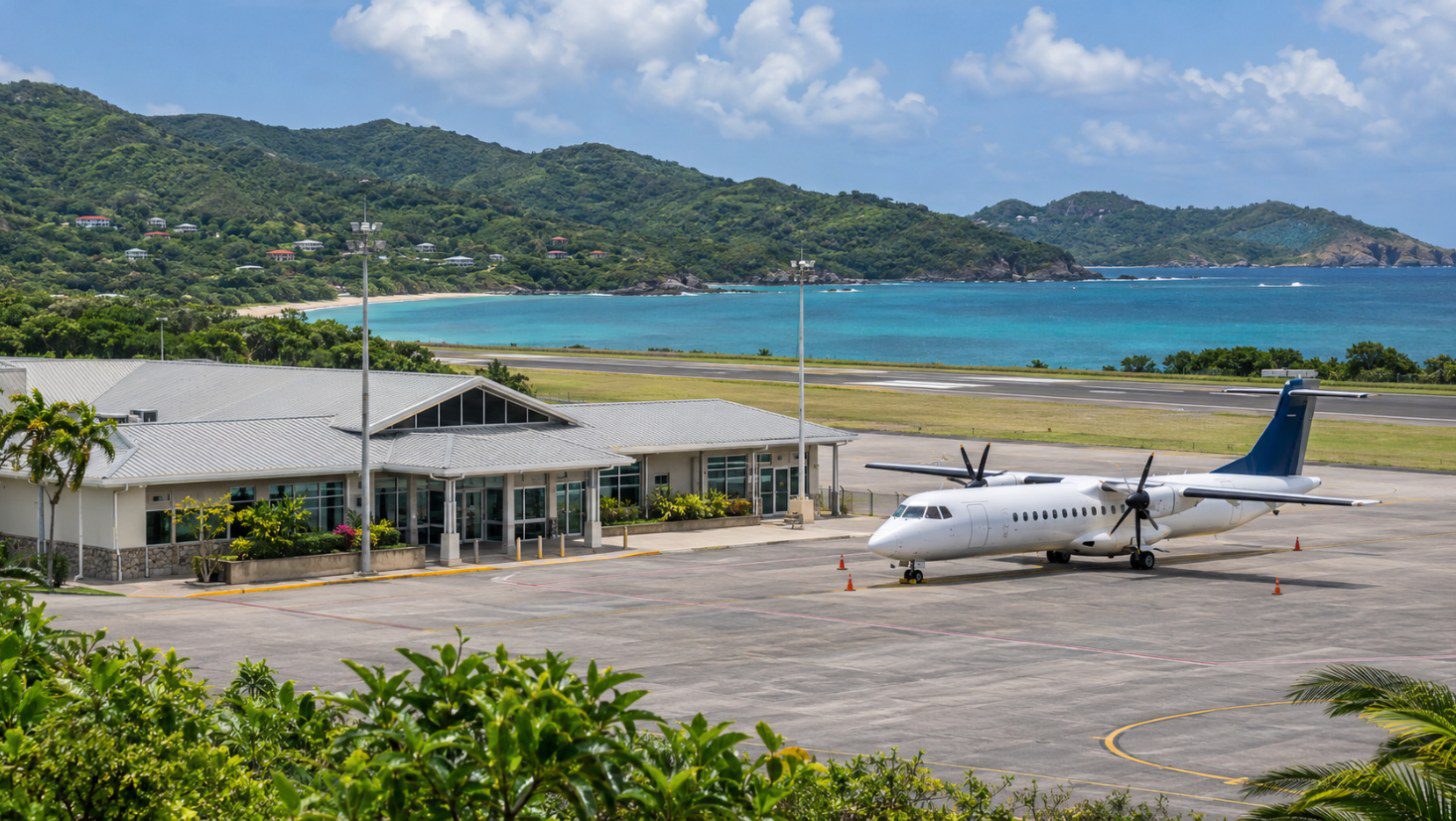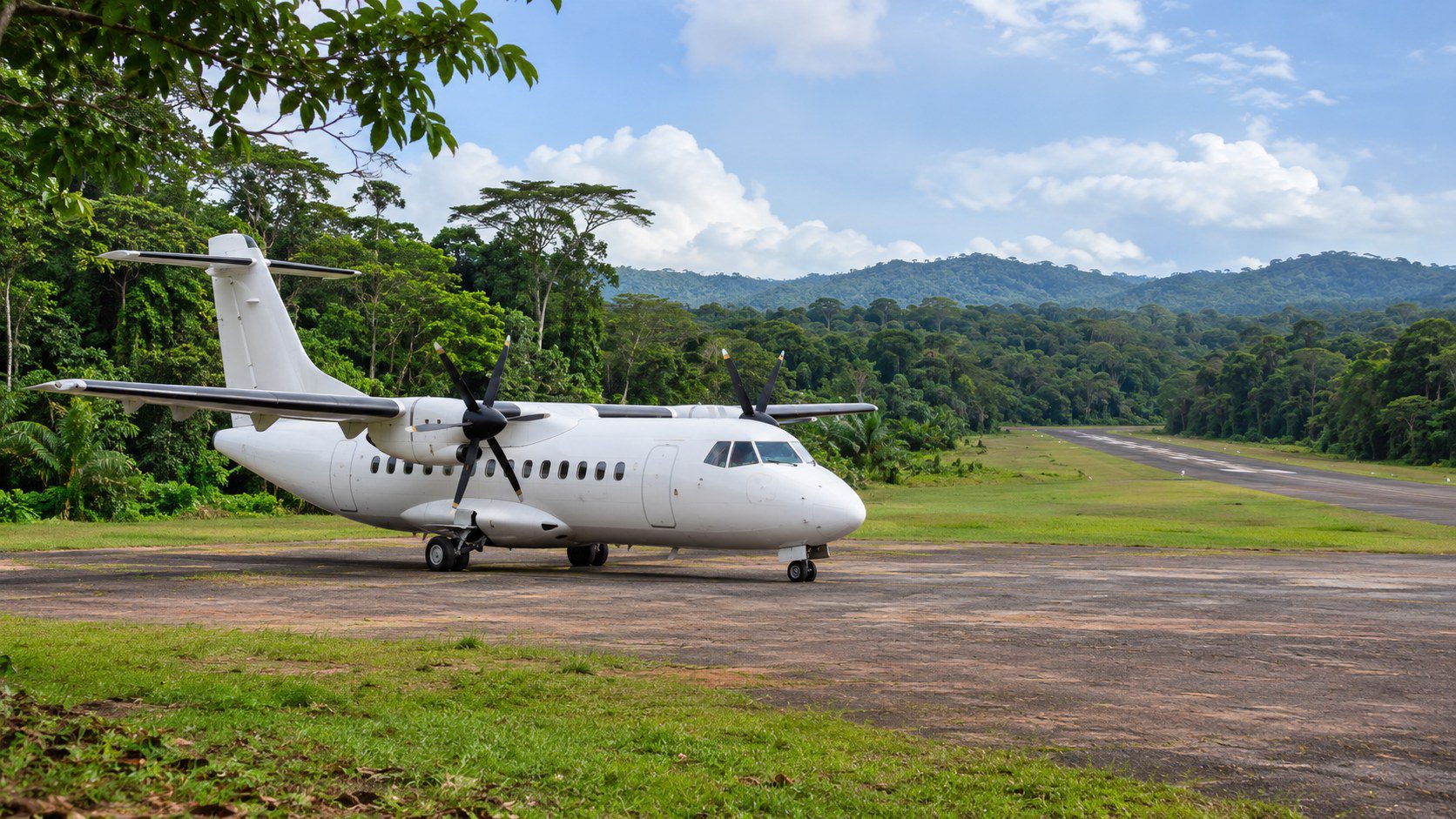
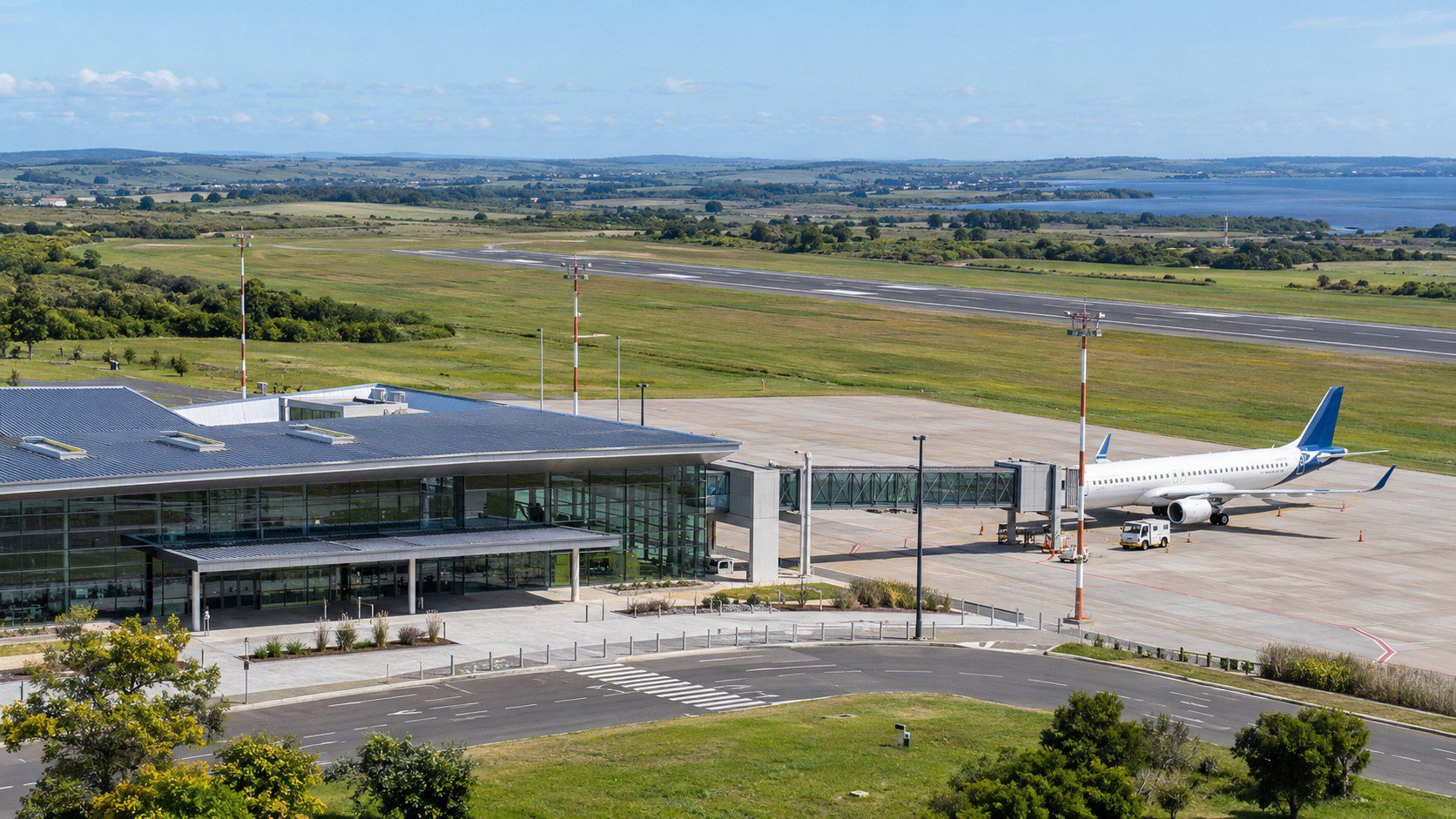
Uruguay is moving from airport infrastructure development to the challenge of attracting sustainable air traffic. With six regional airports modernised and a new public-private incentive fund offering up to US$2.5 million annually, Aeropuertos Uruguay and the government are seeking to strengthen international connectivity while addressing the operational difficulties facing domestic routes.
Six Regional Airports Move from Construction to Commercial Development
After four years of infrastructure investment, Aeropuertos Uruguay is entering a different phase of its regional airport strategy. The concessionaire, part of Corporación América Airports, completed its programme covering six regional airports in 2025, according to CEO Diego Arrosa, who discussed the company’s development priorities in an interview with Aviacionline published on November 11, 2026.
The six airports are Carmelo, Rivera, Salto, Paysandú, Durazno and Melo. Together with Carrasco International Airport, serving Montevideo, and Punta del Este, they form the eight-airport network operated by Aeropuertos Uruguay.
The investment programme has expanded and modernised the infrastructure available outside Uruguay’s principal international gateways. However, completing airport facilities does not automatically produce scheduled services, higher passenger volumes or commercially sustainable routes.
That distinction now shapes the concessionaire’s priorities. Speaking during the ACI-LAC World Annual General Assembly in Lima, held from September 25 to 29, Arrosa explained that the construction phase had ended and attention was shifting toward developing activity at the regional facilities. The transition will proceed at different speeds because individual airports serve different markets and types of aviation.
Carmelo, for example, has a particularly strong general aviation profile, with movements involving smaller aircraft. Salto and Rivera have recently been served by domestic commercial flights, making airline availability and operational continuity more immediate concerns for those airports.
The challenge is therefore not simply to fill newly developed facilities with traffic. Aeropuertos Uruguay must identify viable services for each location, whether through scheduled passenger operations, general aviation or other airport activities. The commercial development of these airports will depend on the characteristics of their local markets and the ability of operators to maintain services.
For Uruguay, this represents an important change in the purpose of airport investment. The physical network has been developed; the next test is whether that infrastructure can support regular use and stronger connections between the country’s regions.
A US$2.5 Million Fund Rewards International Traffic Growth
Alongside the regional airport programme, Uruguay has introduced a financial mechanism to encourage airlines to expand international connectivity. On October 8, 2026, the Ministry of Tourism and Aeropuertos Uruguay formally presented a jointly financed fund supporting the country’s new International Air Connectivity Incentive Regime.
The programme, regulated under Decree No. 219/026, provides for combined annual funding of up to US$2.5 million. The Ministry of Tourism and Aeropuertos Uruguay share the financial contribution, linking public tourism objectives with the airport operator’s interest in increasing traffic.
One component rewards airlines that transport additional foreign tourists to Uruguay. Under the announced arrangement, qualifying carriers can receive a total incentive of US$30 per additional tourist, consisting of US$15 from the government and US$15 from Aeropuertos Uruguay.
The increase is assessed through semiannual comparisons against the corresponding period of the previous year. This is significant because the programme is designed to reward measurable growth rather than simply subsidise existing passenger volumes.
A second component provides incentives for qualifying new international air connections. The authorities announced a combined contribution of up to US$80,000 for an eligible new route, divided equally between the government and the airport operator.
The incentives are not automatic payments for every route announced or passenger carried. Airlines must meet the applicable requirements, including authorisation from Uruguay’s National Directorate of Civil Aviation and Aeronautical Infrastructure (Dinacia), and submit sworn declarations containing information on passengers, routes and countries of origin.
For the new-route component, the official framework also includes conditions concerning operating continuity and published frequencies. The Presidency indicated that services must operate for at least six consecutive months in a year, subject to the programme’s additional eligibility requirements.
The announced payment schedule begins in January 2027. The regime initially runs for one year and may be extended for up to four years, according to the Uruguayan authorities.
Tourism Minister Pablo Menoni has presented the fund as a performance-based instrument intended to encourage airlines to bring more international visitors. The Ministry of Economy and Finance has similarly linked the initiative to competitiveness, noting that Uruguay has invested in airport infrastructure while continuing to face challenges in air connectivity.
The programme is aimed at eligible scheduled international services, not specifically at financing domestic flights between Uruguay’s regional airports. Its relationship with the regional infrastructure strategy is therefore strategic rather than a direct allocation of the fund’s budget to the six modernised facilities.
Domestic Routes Reveal the Limits of Infrastructure Investment
The difficulties of developing regional air connectivity are illustrated by Paranair’s operations between Montevideo, Rivera and Salto. Despite the availability of modernised airport infrastructure, the airline’s limited aircraft resources have presented challenges for maintaining regular domestic services.
Paranair suspended its operations from September 30 to October 12, 2026, while its only aircraft then in service, a Bombardier CRJ200, underwent heavy maintenance. The temporary interruption highlighted the vulnerability of a route network dependent on a single available aircraft.
In his September interview, published by Aviacionline in November, Aeropuertos Uruguay CEO Diego Arrosa described demand on the Rivera and Salto services as strong, citing favourable passenger load factors. He nevertheless identified the airline’s limited fleet availability as an operational constraint.
This distinction is important. A route can attract passengers and still face difficulties maintaining a reliable schedule if its operator lacks sufficient aircraft to cover maintenance requirements or unexpected disruptions.
For the airports involved, the interruption illustrates why infrastructure development and airline capacity must advance together. Modern terminals and operational facilities provide the conditions for receiving commercial flights, but airlines also need aircraft, crews, maintenance arrangements and financially sustainable schedules.
Arrosa indicated that additional aircraft were expected by the operator, although the interview did not establish confirmed delivery dates or a timetable for expanding domestic services. The availability of a larger fleet could improve operational resilience, but any resulting schedule changes would still require confirmation from the airline.
The Paranair example also underlines the limits of the new international incentive fund. The programme is not presented as a direct solution to domestic fleet availability or the economics of individual regional routes.
For Salto and Rivera, future progress will depend not only on the airport facilities already developed but also on whether airlines can provide consistent service over time. Reliable operations, rather than infrastructure completion alone, will determine the practical benefits of improved domestic connectivity.
Uruguay’s Connectivity Strategy Faces Its Commercial Test
At the international level, Aeropuertos Uruguay is seeking to strengthen existing connections and attract additional airline capacity. Diego Arrosa has identified a year-round Montevideo–Miami service as one of the concessionaire’s commercial objectives, pointing to its importance for business travel, technology companies and links with the United States.
The route already operates seasonally, but converting it into a permanent service remains an ambition rather than an announced year-round commitment by the operating airline.
Airline decisions will also depend on aircraft availability and the relative profitability of competing markets. Arrosa has highlighted global aircraft delivery constraints as one obstacle to developing routes from destinations with more limited traffic volumes.
In this environment, Uruguay’s incentive regime offers an additional commercial argument for airlines considering new connections or increased frequencies. However, financial support alone does not guarantee that a carrier will allocate aircraft, establish a route or maintain a service beyond the minimum period required by the programme.
The government has already pointed to improvements in international connectivity. During the October 8 presentation, Tourism Minister Pablo Menoni reported that the number of airline seats offered in 2026 was 8% higher than in 2025. That figure describes growth in scheduled seat supply, not a measured increase in passengers carried or an outcome attributable to the new incentive scheme.
Uruguay’s approach now combines three distinct elements: airport infrastructure capable of accommodating traffic, incentives linked to international passenger growth, and commercial development efforts intended to attract airlines.
The effectiveness of this combination will become clearer through the results achieved in 2027 and beyond. New routes entering operation, additional foreign tourists actually transported, sustained international frequencies and the continuity of regional services will provide more meaningful evidence than announcements alone.
For Aeropuertos Uruguay, the end of the regional construction programme is therefore not the conclusion of its airport development strategy. It marks the beginning of a more demanding commercial phase, in which the value of infrastructure investments will increasingly be assessed through the services airlines operate and the connectivity available to passengers.
FAQ
Which six regional airports has Aeropuertos Uruguay modernised?
Aeropuertos Uruguay completed its programme covering Carmelo, Rivera, Salto, Paysandú, Durazno and Melo in 2025, according to CEO Diego Arrosa. The operator is now focusing on developing activity at these airports.
How does Uruguay’s US$2.5 million airline incentive fund work?
Uruguay’s Ministry of Tourism and Aeropuertos Uruguay jointly finance an incentive fund of up to US$2.5 million annually. It rewards eligible airlines for increasing foreign tourist arrivals and establishing qualifying new international air connections.
How much can airlines receive under Uruguay’s incentive programme?
Eligible airlines can receive US$30 per additional foreign tourist, shared equally between the government and Aeropuertos Uruguay. The programme also provides incentives of up to US$80,000 for qualifying new international routes.
Does the incentive fund directly support domestic regional flights?
No. The programme targets eligible scheduled international air services. Domestic connections, including routes serving Rivera and Salto, face separate challenges involving aircraft availability, operational continuity and commercial sustainability.
What challenges remain for Uruguay’s regional air connectivity?
The main challenges include attracting operators, maintaining reliable schedules, ensuring aircraft availability and developing sufficient demand. The modernised regional airports provide infrastructure, but their commercial success depends on sustained operations.