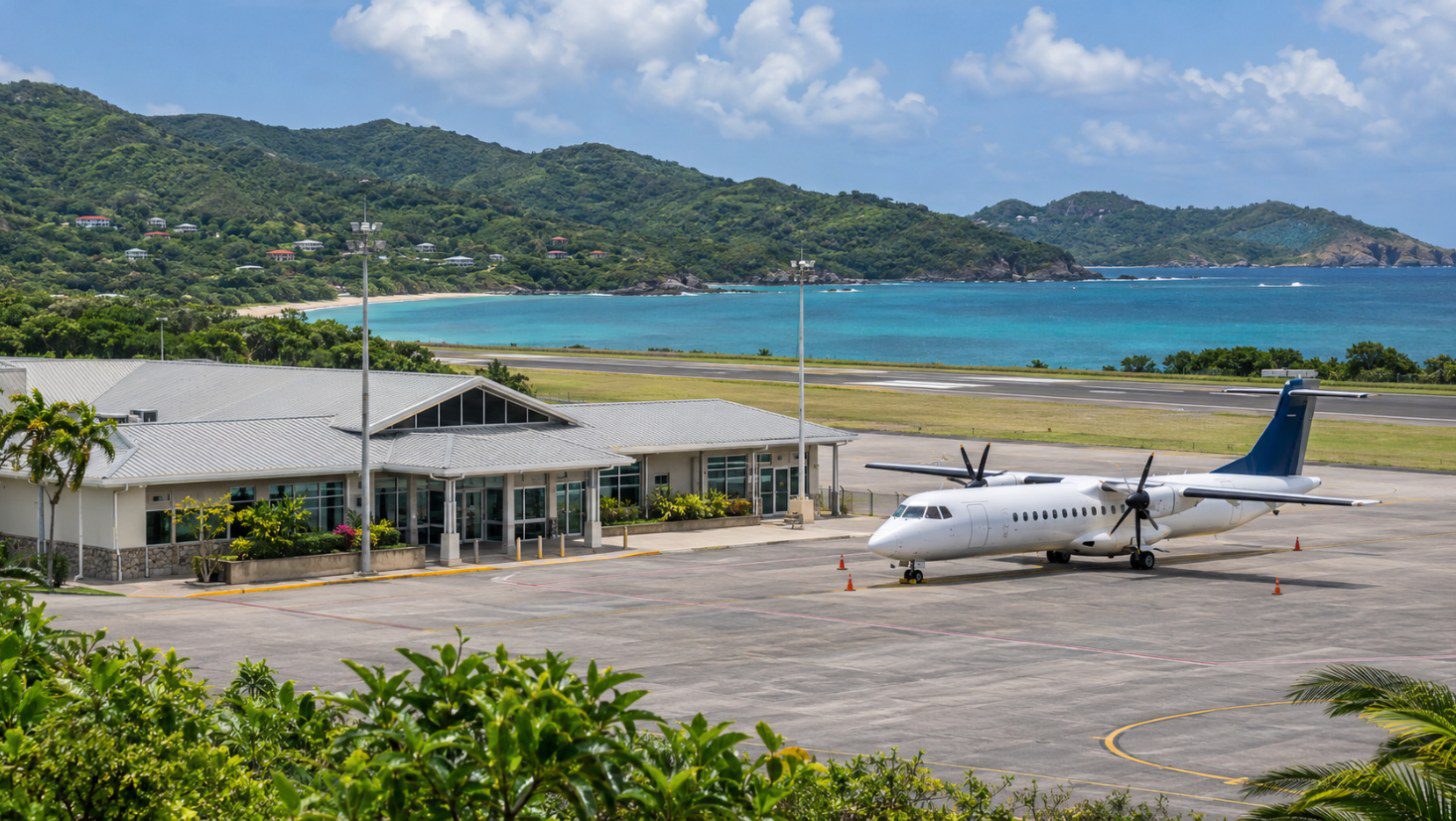
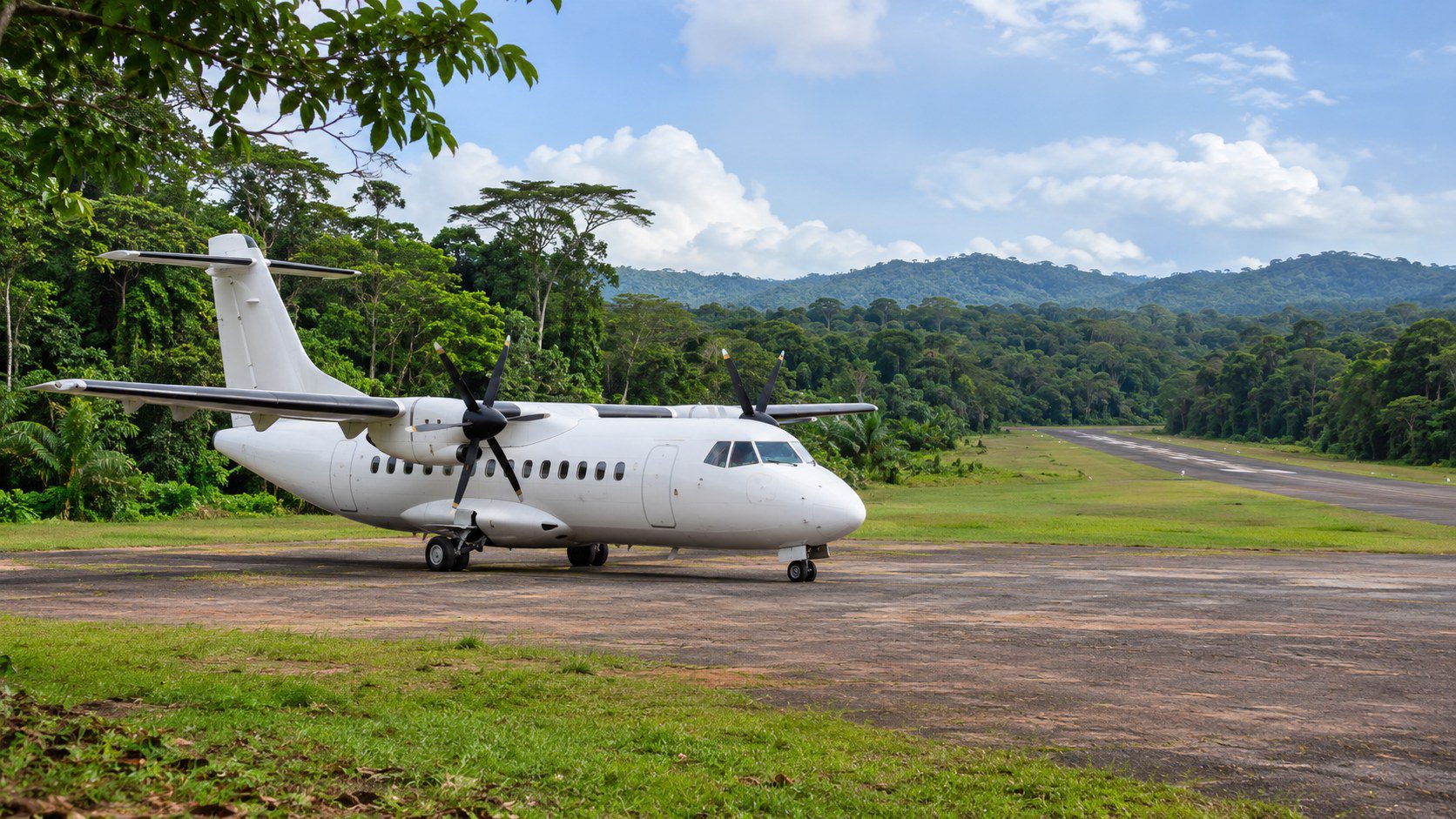
Guyana is advancing a programme to develop and upgrade airstrips across its hinterland and coastal areas, with bids for approximately 34 projects under evaluation according to the Ministry of Public Utilities and Aviation. The government allocated GYD 4 billion in its 2026 budget to airstrip development as it seeks to improve access to remote communities and strengthen domestic aviation.
A National Programme for Hinterland Air Access
Guyana’s wider aviation infrastructure programme aims to build or improve nearly 60 airstrips across the country. The initiative addresses transport links in regions where air services help connect communities with healthcare, education, commercial activity and emergency assistance.
Minister of Public Utilities and Aviation Deodat Indar said bids for approximately 34 projects had closed and were being evaluated. The remaining projects were expected to be put out to tender. The minister discussed the programme at the Canada–Guyana Business Forum in Georgetown on October 19, 2026; the ministry subsequently published further information about the programme in November.
The number of projects under evaluation is therefore an indication of procurement activity, not the number of contracts awarded or airstrips completed. The ministry’s account does not establish that construction has started on all 34 projects.
The GYD 4 billion allocated in the 2026 budget covers the continued development and upgrading of hinterland and coastal airstrips. The ministry also reported that approximately GYD 2.5 billion was spent on hinterland airstrip development in 2025. The 2026 allocation is a budgeted amount rather than a confirmed total of expenditure.
Key Figures
| Indicator | Figure |
|---|---|
| Airstrips targeted in the wider programme | Nearly 60 |
| Projects with bids under evaluation | Approximately 34 |
| 2026 budget allocation for hinterland and coastal airstrips | GYD 4 billion |
| Reported expenditure on hinterland airstrips in 2025 | Approximately GYD 2.5 billion |
| Aircraft size discussed by the ministry’s director general | 19 seats |
From Runway Surfaces to Aircraft Capacity
Runway condition is a practical consideration for air services in Guyana’s interior. The ministry said some airstrips would be upgraded from laterite to concrete surfaces, with the aim of improving safety, reliability and access throughout the year.
The ministry identified completed works at several locations as part of its account of 2025 expenditure, including Aishalton, Kaieteur, Karisparu, Kwakwani and Paramakatoi. Separately, Guyana’s Department of Public Information said Aishalton and Paramakatoi had received reinforced concrete runways. The department also identified Karasabai, in Region Nine, as an upgraded airstrip.
Other locations are at different stages. The ministry’s budget description included provision for completing ongoing work at Ekereku Bottom, Jawalla and Kaikan, as well as starting work at other locations such as Mahdia, Linden and Mabaruma. These references describe the programme’s planned use of funds; they do not establish that every listed project has since been completed.
Alfonso De Armas, Director General of the Ministry of Public Utilities and Aviation, said improved airstrips could allow 19-seat aircraft to serve some areas where airlines currently use smaller aircraft. In his assessment, carrying more passengers could create opportunities to reduce the cost per seat.
That outcome would depend on the characteristics and approval of each airstrip, the aircraft and services deployed by operators, and their commercial decisions. Neither the use of 19-seat aircraft nor lower fares has been confirmed for every location in the programme.
Connecting Communities, Services and Economic Activity
For communities in Guyana’s hinterland, air access can be important to journeys that are difficult to complete by other means. The ministry identifies healthcare, education, commercial services and emergency assistance among the reasons residents depend on aviation.
Air services can also support the movement of goods and agricultural produce. More reliable infrastructure is intended to reduce disruptions and help operators serve communities across the interior, although the benefits will depend on the works completed and the services available at each location.
The government also sees potential for tourism. Guyana’s Department of Public Information reported that some hinterland communities have invested in visitor services, including guest houses and boats. Improved air access could help connect those businesses with visitors, but the ministry has not established a specific increase in tourism revenue or passenger traffic attributable to the wider airstrip programme.
The airstrip initiative sits alongside Guyana’s efforts to develop its international aviation network. Those efforts involve separate infrastructure and airline decisions: a new international route does not automatically create a domestic connection to every hinterland community.
Related reading: Two Canadian Airlines Consider Direct Flights to Guyana.
FAQ
How many airstrips does Guyana plan to develop or upgrade?
The government’s wider programme targets nearly 60 airstrips across hinterland and coastal areas. This is a programme objective, not the number of completed projects.
How many airstrip projects had bids under evaluation?
According to the Ministry of Public Utilities and Aviation, bids for approximately 34 projects had closed and were under evaluation when the programme was discussed.
How much did Guyana allocate to airstrips in its 2026 budget?
The government allocated GYD 4 billion to the continued development and upgrading of hinterland and coastal airstrips. The figure is a budget allocation, not confirmed expenditure.
Could upgraded airstrips accommodate larger aircraft?
Ministry Director General Alfonso De Armas said improvements could allow 19-seat aircraft to serve some areas. The outcome depends on each airstrip’s characteristics and approvals, as well as operators’ decisions.
Why are airstrips important for Guyana’s hinterland communities?
Air services help connect remote communities with healthcare, education, emergency assistance and commercial services. They can also support the movement of goods and tourism activity.