The global cruise industry is entering one of the most significant expansion cycles in its history. According to a March 2026 analysis by Hope Research Group, cruise operators have 58 new ships on order representing more than $40 billion in capital investment, with industry capacity projected to grow at a 6.2% compound annual growth rate through 2030.
This expansion comes as the industry has not only recovered from the pandemic shock but surpassed pre-COVID levels. Data from the Cruise Lines International Association (CLIA) indicates that global ocean cruise passengers reached 31.7 million in 2024, exceeding the previous record of 29.7 million in 2019.
By 2030, the number of cruise passengers worldwide is projected to reach approximately 42.6 million.
While this growth is global in scope, its geographic impact will be uneven. Few regions will feel the consequences of this new expansion cycle as strongly as the Caribbean and parts of Latin America, which remain the strategic core of the cruise industry.
The Caribbean remains the industry’s center of gravity
Despite increasing diversification toward Asia, the Middle East and expedition markets, the Caribbean continues to dominate global cruise deployment.
During peak season, the region accounts for approximately 43% of global cruise ship deployments, making it by far the most important operational theatre for the industry.
Passenger volumes illustrate the scale of this dominance. The region welcomed roughly 14.9 million cruise passengers in 2024, and projections suggest this figure could reach around 18.5 million by 2030, representing 28% growth within six years.
Several structural factors explain the region’s enduring centrality:
- proximity to the North American source market
- year-round operating conditions
- dense clusters of island destinations within short sailing distances
- mature port infrastructure in key homeports such as Miami, Port Canaveral and Fort Lauderdale.
For cruise operators, these characteristics translate into highly efficient itineraries with lower fuel costs and strong demand fundamentals.
A new generation of mega-ships
One of the defining features of the current expansion cycle is the emergence of a new class of ultra-large cruise vessels.
Many of the ships scheduled for delivery between 2025 and 2030 exceed 200,000 gross tons and can accommodate more than 6,000 passengers.
Among the most anticipated vessels are:
- Star of the Seas (Royal Caribbean)
- MSC World America (MSC Cruises)
- Disney Adventure (Disney Cruise Line)
- Norwegian Aqua (Norwegian Cruise Line).
These ships represent a significant shift in the scale of cruise tourism. A single vessel can now bring several thousand passengers into port within a matter of hours, fundamentally altering the operational and economic dynamics of destinations.
For ports and local economies, this creates both opportunities and logistical challenges. Infrastructure, transportation networks and visitor management systems must increasingly adapt to sudden surges in visitor flows.
Private islands: a new competitive dynamic
Another structural shift highlighted in the study is the rapid rise of cruise line-owned private destinations.
Over the past decade, major cruise operators have invested heavily in developing proprietary island resorts that allow them to control the entire passenger experience—from the onboard product to the shore excursion environment.
Notable developments include:
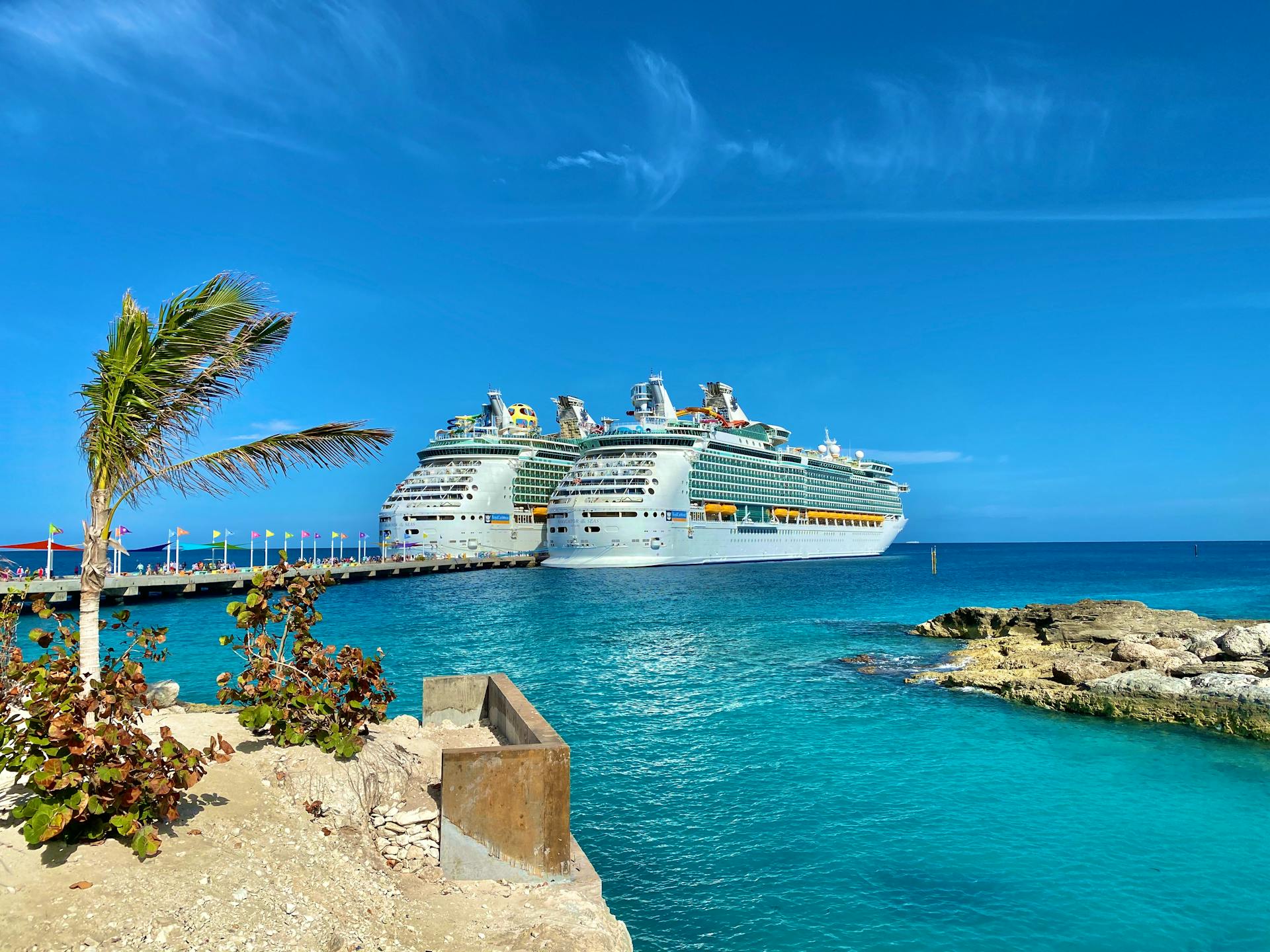
- Perfect Day at CocoCay (Royal Caribbean)
- Celebration Key (Carnival)
- Ocean Cay Marine Reserve (MSC Cruises)
- Lighthouse Point (Disney Cruise Line).
These destinations are designed to capture a greater share of passenger spending while offering highly curated experiences.
The trend is accelerating. Private island visits accounted for roughly 11% of Caribbean cruise port days in 2019, rising to 18% in 2024. Projections suggest this figure could reach 24% by 2030.
For traditional port destinations across the Caribbean and Latin America, this evolution introduces a new competitive dimension. While overall passenger volumes are increasing, a growing portion of the economic activity associated with shore visits may shift toward cruise-controlled environments rather than local economies.
Latin American ports preparing for the next phase
The projected expansion in cruise capacity is already triggering investment across several ports in Latin America and the wider Caribbean basin.
New or upgraded cruise terminal projects are underway in destinations including:
- Belize City
- Puerto Limón in Costa Rica
- Cartagena in Colombia.
Collectively, these projects represent approximately $400 million in infrastructure investment, aimed at accommodating larger vessels and improving passenger handling capacity.
For emerging cruise destinations in Central and South America, these investments are also part of a broader strategy to diversify itineraries and capture a larger share of regional cruise traffic.
Opportunities and pressures for Caribbean economies
The projected 28% increase in Caribbean cruise capacity by 2030 presents clear economic opportunities. Higher passenger volumes can generate additional revenue for ports, tourism operators and local service providers.
At the same time, the structural evolution of the cruise industry is reshaping the distribution of these benefits.
Several trends stand out:
- increasing concentration of passenger flows in major ports capable of handling mega-ships
- competition from cruise-owned private destinations
- rising infrastructure requirements for smaller ports seeking to remain competitive.
For many Caribbean and Latin American destinations, the strategic challenge will be to move beyond simple passenger volume metrics and focus instead on capturing greater economic value per visitor.
A transformation underway
The global cruise industry’s new investment cycle marks more than a simple recovery from the pandemic. It signals a structural transformation in the scale, technology and geography of cruise tourism.
With 58 new ships entering the market and more than $40 billion invested in fleet expansion, the next five years are likely to redefine how cruise travel operates worldwide.
For the Caribbean and Latin America—regions that sit at the heart of the industry’s deployment strategy—the stakes are particularly high.
How ports adapt to larger vessels, how destinations differentiate their shore experiences, and how governments manage the balance between tourism growth and economic capture will ultimately determine who benefits most from the next era of cruise expansion.