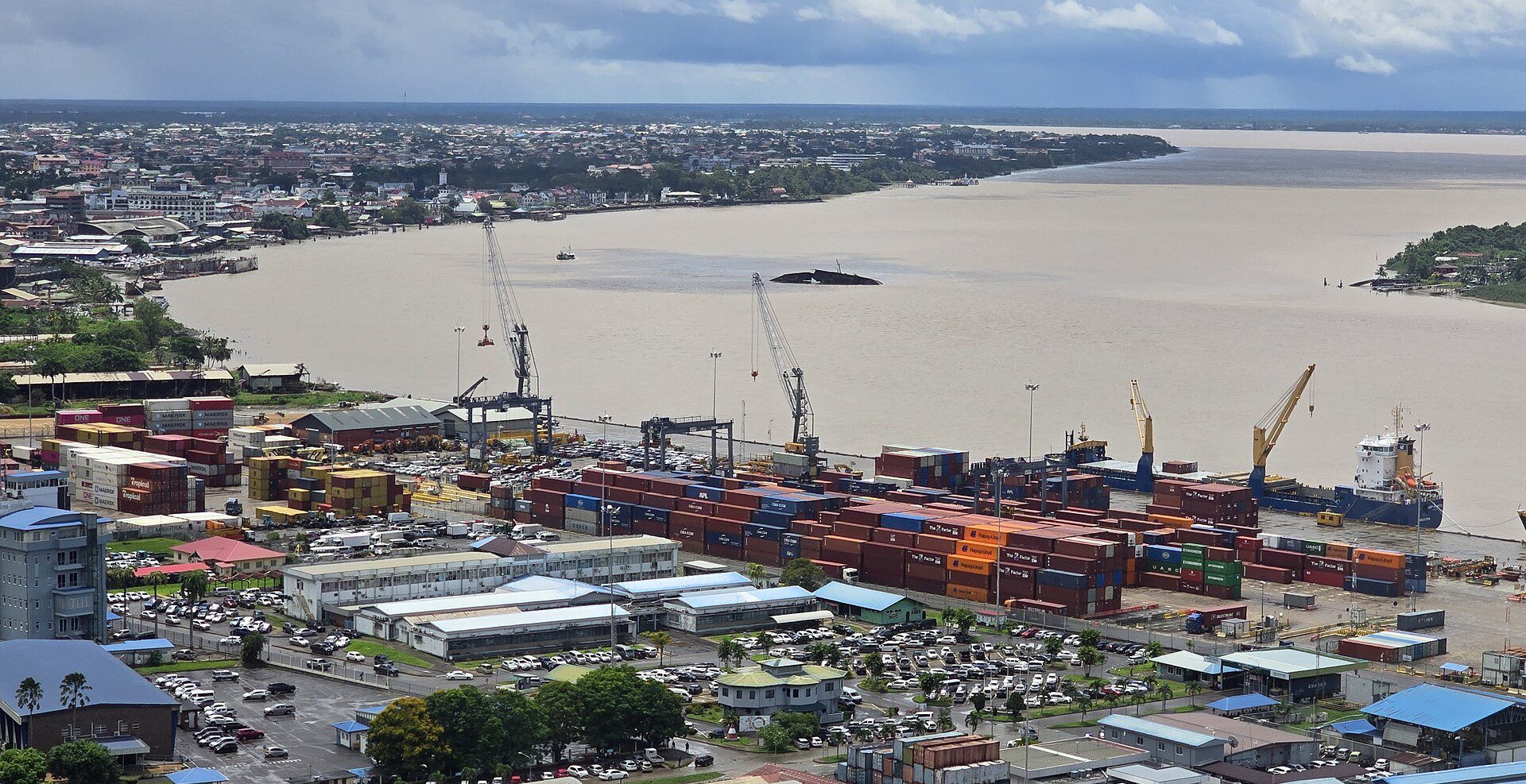
Suriname has officially begun implementing a National Port Community System (PCS), marking a major step in the digital transformation of its maritime logistics infrastructure. The initiative, centred on the Dr. Jules Sedney Haven in Paramaribo, aims to modernise port operations, improve logistics efficiency and strengthen the country’s international trade competitiveness.
The PCS forms part of the national programme Improvement of Transport Logistics and Competitiveness in Suriname (ITLCS), led by the Ministry of Public Works and Spatial Planning and financed by the Inter-American Development Bank (IDB) under project SU-L1057. The first phase of implementation officially started on 1 November 2025 and represents a key milestone in Suriname’s strategy to strengthen sustainable trade and enhance logistics performance.
A national programme to modernise port logistics
The PCS deployment is planned over an 18-month period and will initially focus on the Dr. Jules Sedney Haven, the main port facility in Paramaribo. The project is designed to improve coordination across the port ecosystem while supporting broader efforts to modernise Suriname’s transport and logistics infrastructure.
Through the ITLCS programme, the government aims to reduce logistical bottlenecks, facilitate trade flows and enhance the efficiency of maritime operations. By introducing a digital coordination platform for port activities, the initiative seeks to streamline interactions between authorities, port operators and private logistics stakeholders.
A digital platform connecting the port ecosystem
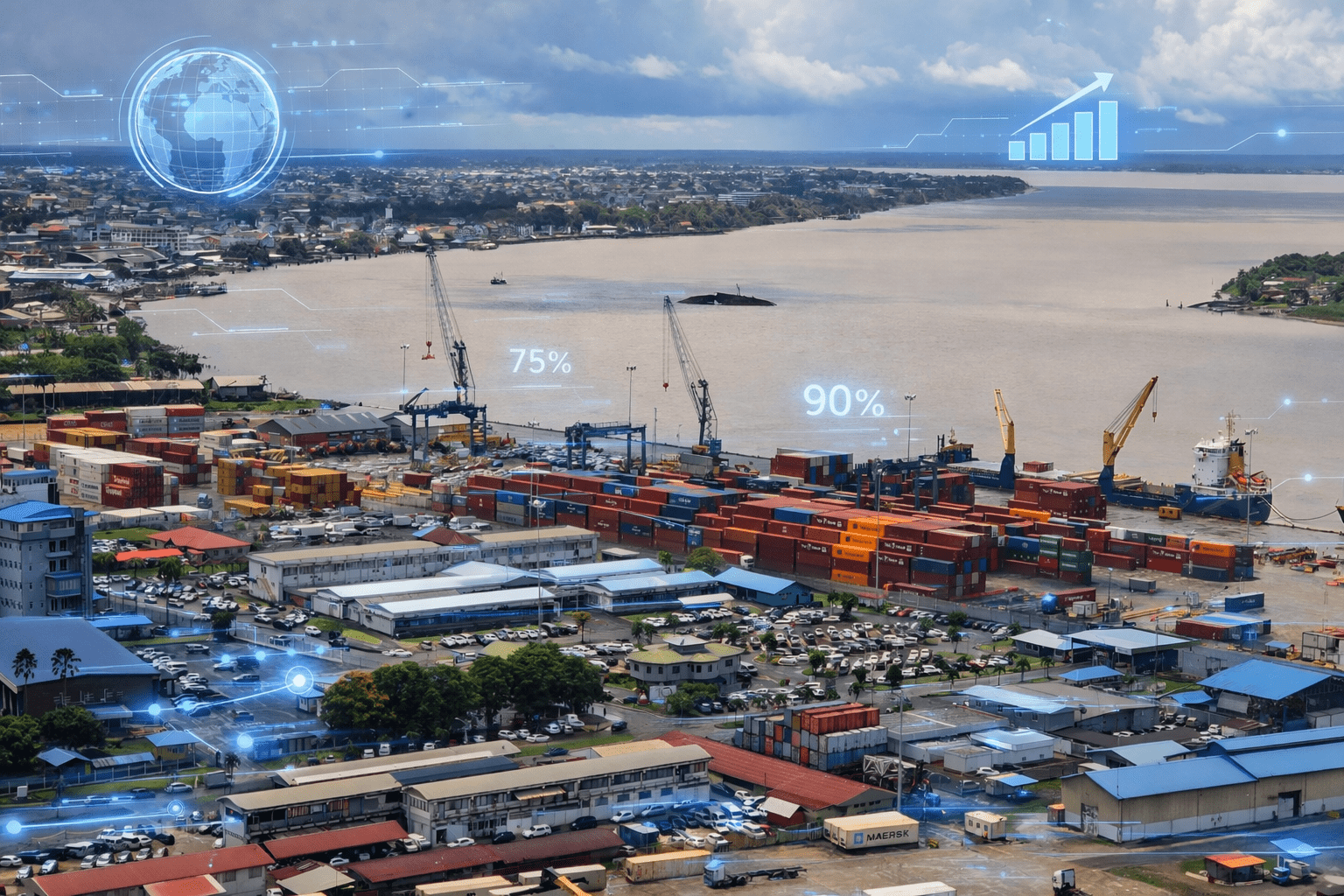
A Port Community System is a digital coordination platform designed to integrate the various actors involved in port and logistics operations. The system connects port authorities, customs administrations, shipping lines, terminal operators, freight forwarders and other logistics service providers within a single collaborative environment.
Through this centralised digital infrastructure, operational data can be shared in real time, enabling more efficient management of vessel operations, cargo handling, truck movements and documentation processes. By improving transparency and coordination, the PCS is expected to reduce congestion, shorten cargo processing times and improve the overall efficiency of the supply chain.
The Suriname project will establish a secure and centralised data platform designed to serve all stakeholders across the port and logistics sectors, providing a collaborative environment for operational coordination and information exchange.
Alignment with global maritime digitalisation standards
The initiative is aligned with the global framework for maritime digitalisation established by the International Maritime Organization (IMO). Following the entry into force in 2024 of the IMO Facilitation Convention requirements for the Maritime Single Window (MSW), Suriname is moving beyond basic compliance by implementing a fully integrated national PCS.
The project includes three main components. The first is the Maritime Single Window, which enables the digital submission and processing of all regulatory and administrative formalities related to vessel arrivals, port stays and departures. The second component focuses on port security, strengthening inbound and outbound controls in line with ongoing port expansion efforts. The third component aims to optimise truck handling operations in order to accelerate cargo movements and reduce congestion around the port area.
The system will be implemented by IT Partner using its CENTER PCS solution, a platform designed for multifunctional ports handling containers, bulk cargo and cruise operations. The solution is already operational in several Caribbean ports and has been developed to meet international standards in security, performance and technological scalability.
Strengthening Suriname’s logistics competitiveness
Beyond its technological dimension, the PCS project is expected to play a strategic role in improving Suriname’s logistics performance and trade competitiveness. By enabling more efficient coordination between port actors and reducing administrative and operational delays, the system should facilitate smoother cargo flows and improve supply chain reliability.
The project also aims to strengthen governance and institutional coordination across the port ecosystem. A project steering committee was formally established on 19 February 2026 to ensure structured oversight and inter-institutional cooperation throughout the implementation process.
As global maritime logistics continues to undergo rapid digital transformation, Suriname’s move to deploy a national Port Community System reflects a broader effort to modernise its port infrastructure and position Paramaribo as a more efficient gateway within regional trade networks.