Puerto Rico expected approximately 1.9 million cruise passengers during the season discussed at the 2025 FCCA Cruise Conference, a figure that reflects both the scale of its cruise industry and the island’s growing ambitions within the Caribbean market.
While many destinations across the region are competing to attract additional cruise calls, Puerto Rico is pursuing a broader objective. Through infrastructure investments, homeport development and expanded cruise operations beyond San Juan, the island is seeking to strengthen its position as a regional hub capable of supporting a larger share of Caribbean cruise activity.
The strategy reflects a wider shift taking place across the industry, where destinations increasingly compete not only as tourism markets but also as operational platforms within cruise networks.
Puerto Rico is building on an established cruise position
Puerto Rico already occupies a prominent position within the Caribbean cruise landscape.
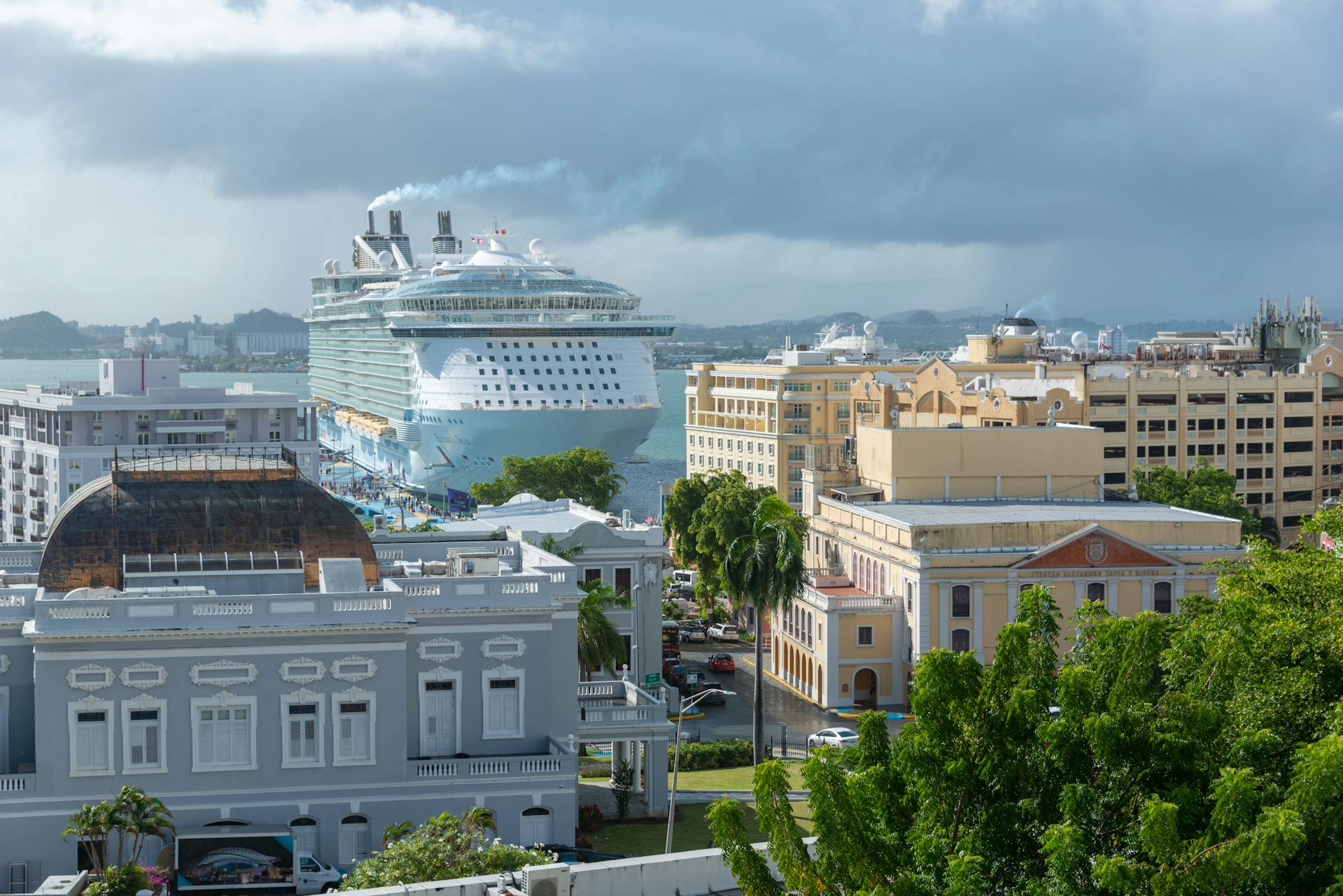
San Juan is one of the region’s best-known cruise ports, serving both transit and homeport operations. Its location, established tourism sector and extensive air connectivity have helped make it a key gateway for cruise passengers traveling throughout the Caribbean.
During the FCCA conference, Puerto Rico officials emphasized that the island’s objective is not simply to maintain existing traffic levels but to build upon an already significant market position.
The projected 1.9 million cruise passengers highlighted during the event illustrate the scale of activity that Puerto Rico is seeking to leverage as part of its long-term development strategy.
Rather than viewing cruise tourism solely through the lens of passenger arrivals, authorities are increasingly linking the sector to wider economic development, infrastructure investment and territorial competitiveness objectives.
The strategy extends beyond San Juan
One of the most notable elements of Puerto Rico’s cruise strategy is its focus on expanding activity beyond the capital.
Conference discussions highlighted efforts to strengthen cruise operations in other parts of the island, allowing Puerto Rico to diversify visitor flows and distribute economic benefits across a wider geographic area.
This approach reflects a challenge faced by many cruise destinations. Concentrating activity in a single port can create capacity constraints while limiting opportunities for other communities.
By encouraging broader participation in the cruise economy, Puerto Rico aims to create additional tourism opportunities while increasing the resilience of its cruise sector.
The strategy also aligns with changing cruise industry preferences. Cruise operators are increasingly seeking destinations capable of offering diverse experiences and multiple operational options within a single market.
Air connectivity remains a strategic advantage
One of Puerto Rico’s strongest competitive assets is its connectivity.
Unlike many Caribbean destinations that rely on limited international air service, Puerto Rico benefits from extensive connections with the continental United States and other regional markets.
This advantage is particularly important for homeport operations.
Passengers embarking on a cruise must first reach the departure port, making air access a critical component of cruise competitiveness. Strong connectivity helps reduce travel complexity, broadens the catchment area for cruise passengers and increases the attractiveness of a destination for cruise lines evaluating deployment options.
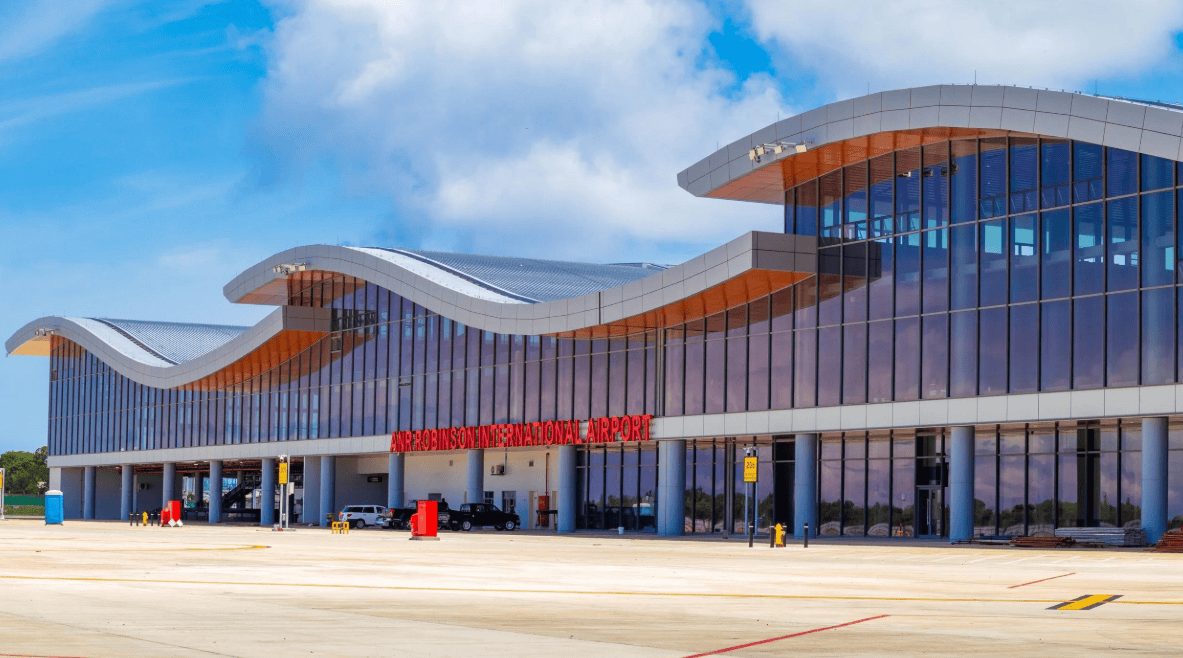
As homeporting becomes a larger component of Caribbean cruise growth, the relationship between airports and cruise ports is becoming increasingly important.
Puerto Rico’s ability to combine established cruise infrastructure with significant air access places it in a favorable position compared with many competing destinations.
Hub status brings wider economic opportunities
The pursuit of hub status is ultimately about capturing a larger share of the cruise value chain.
A homeport passenger typically generates more economic activity than a transit passenger. Hotel stays, restaurant spending, airport transfers, local transportation and pre- or post-cruise tourism all contribute additional revenue to the local economy.
Cruise operations themselves generate further demand through provisioning, logistics services, port operations and other support activities.
For Puerto Rico, strengthening its role as a regional cruise hub therefore has implications that extend well beyond passenger volumes.
The objective is to increase the island’s participation in the broader economic ecosystem surrounding cruise activity rather than relying solely on port-of-call spending.
This distinction is becoming increasingly important as Caribbean destinations seek to maximize the long-term benefits generated by continued cruise industry growth.
A long-term bet on regional relevance
The discussions held during the 2025 FCCA Cruise Conference suggest that Puerto Rico’s strategy is not centered exclusively on attracting more ships.
Instead, the island appears focused on reinforcing its position within the operational geography of Caribbean cruising through infrastructure investment, connectivity, diversified cruise offerings and expanded homeport activity.
As competition intensifies across the region, destinations are increasingly seeking roles that extend beyond traditional tourism promotion.
Puerto Rico’s approach reflects that evolution. Rather than simply participating in Caribbean cruise growth, the island is positioning itself to play a more central role in how that growth is organized, distributed and supported across the region.