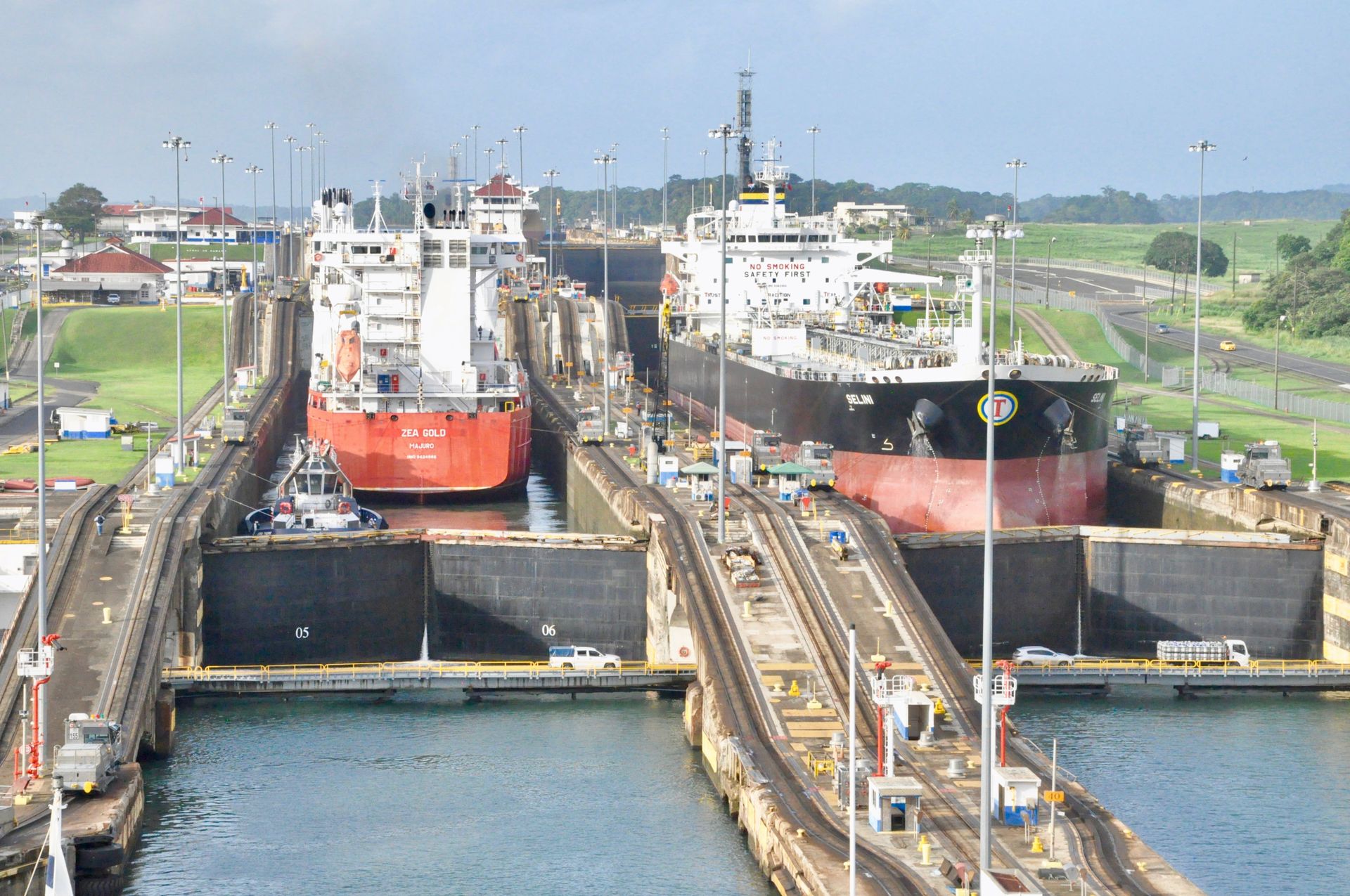
The Panama Canal is reporting stronger-than-expected operational activity at the start of fiscal year 2026, signaling renewed momentum for one of the world’s most critical maritime trade corridors.
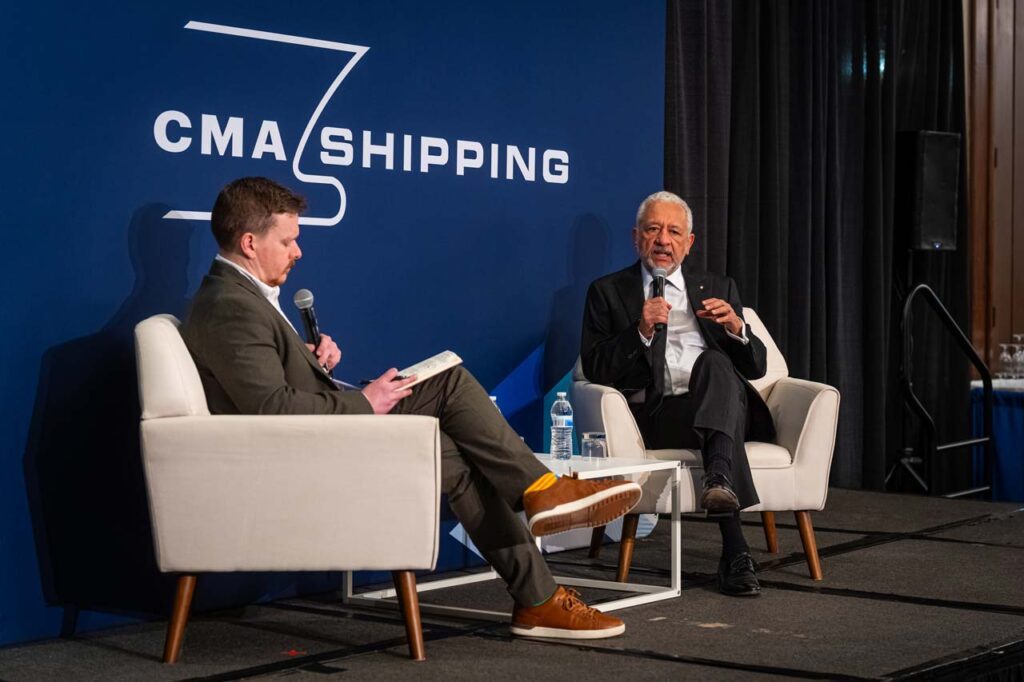
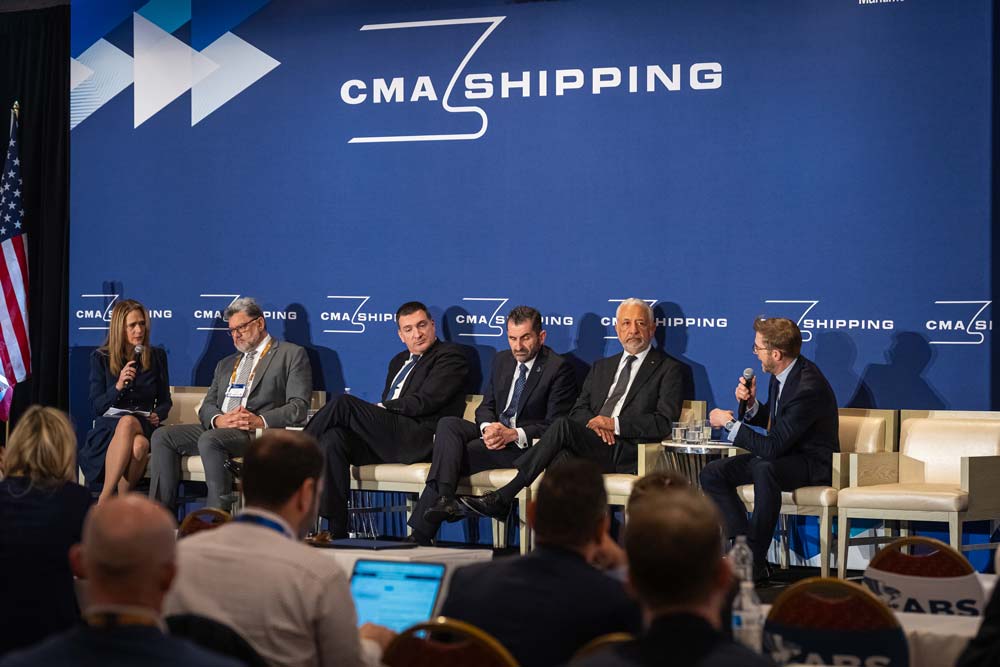
Speaking during the CMA Shipping Conference and Expo 2026, Panama Canal Administrator Dr. Ricaurte Vásquez Morales revealed that canal revenues during the first five months of fiscal year 2026 were approximately 8% to 10% higher than during the same period in 2025. The increase reflects both a rise in ship transits and growing cargo volumes moving through the interoceanic waterway.
The data suggests a gradual recovery in canal activity following the operational constraints experienced in recent years, when prolonged drought conditions forced the Panama Canal Authority to introduce transit limitations in order to manage water levels.
Despite those challenges, the canal continues to demonstrate its resilience as a key artery for global maritime trade connecting the Atlantic and Pacific basins.
Strategic investments to strengthen long-term reliability
Beyond the short-term recovery in traffic, the Panama Canal Authority is pursuing a broader infrastructure strategy designed to secure the waterway’s long-term reliability and competitiveness.
Central to this strategy is Canal Vision 2035, a long-term development roadmap aimed at reinforcing the canal’s position within global supply chains. The initiative includes projects intended to expand logistics capacity and introduce complementary infrastructure that could allow certain cargo flows to move across Panama without increasing congestion in the canal itself.
Among the most significant projects under discussion is the Río Indio Lake initiative, which would increase the canal’s water storage capacity and help stabilize operations during periods of drought. By creating an additional water reservoir, the project aims to strengthen the canal’s resilience to climate variability while ensuring reliable transit conditions for global shipping.
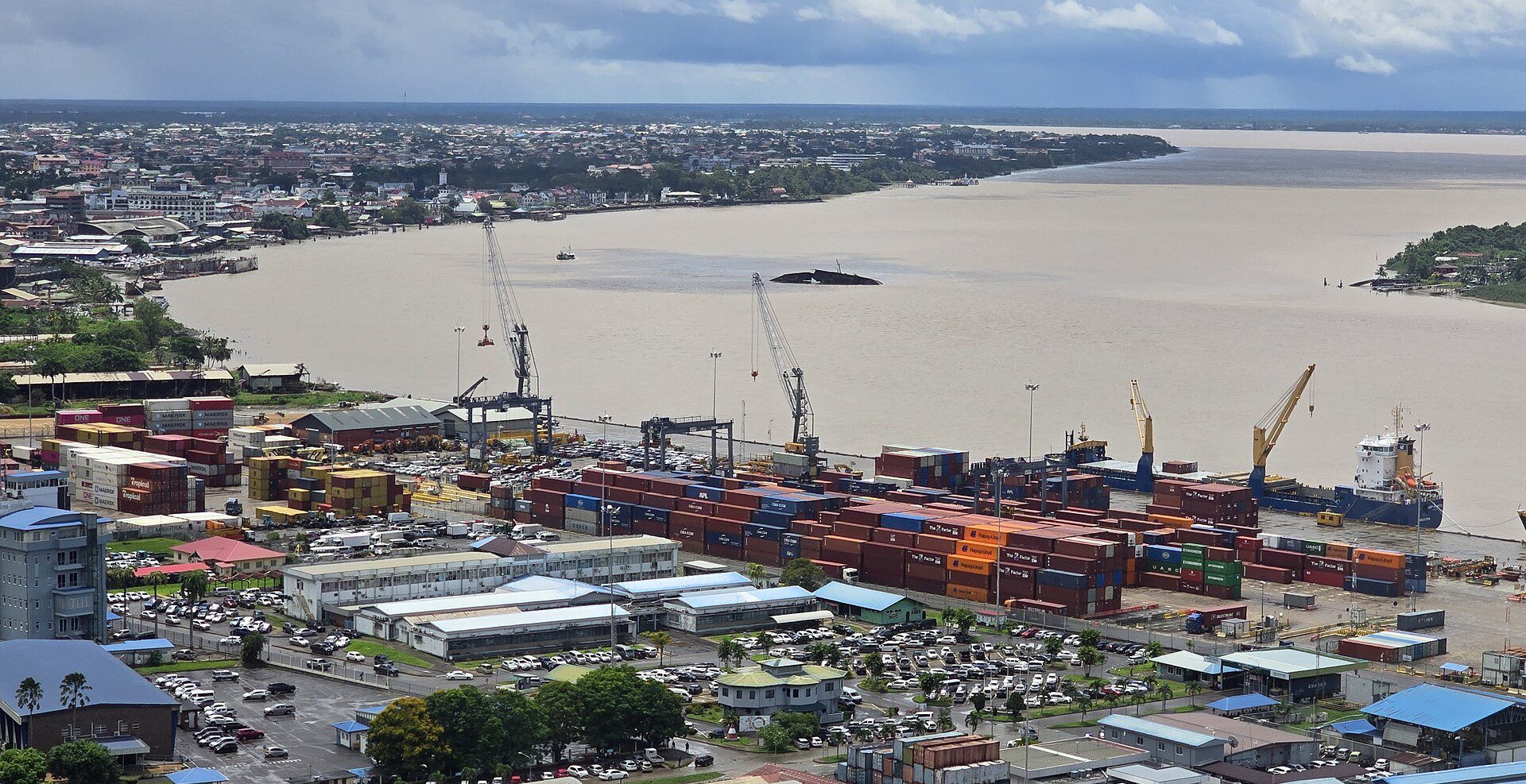
At the same time, the canal authority is exploring opportunities to further consolidate Panama’s role as a regional transshipment hub, including the development of a new container terminal designed to support the growing volume of cargo moving through the country’s logistics ecosystem.
Supporting maritime decarbonization
Alongside infrastructure development, the Panama Canal is also advancing initiatives aligned with the maritime industry’s broader decarbonization efforts.
One of the flagship programs is the NetZero Slot initiative, which incentivizes vessels that adopt lower-emission technologies and alternative fuels. The program forms part of the canal authority’s broader strategy to support the transition toward cleaner maritime operations while maintaining operational efficiency.
As shipping companies face increasing pressure to reduce emissions and comply with evolving environmental regulations, initiatives such as NetZero Slot highlight the canal’s effort to remain aligned with the future trajectory of the global maritime industry.
A strategic corridor for global trade
Established as a cornerstone of international maritime logistics, the Panama Canal continues to play a pivotal role in facilitating global trade flows and traffic. The latest performance figures suggest that despite climate-related operational pressures, the waterway remains a vital and resilient component of the world’s supply chain infrastructure.
With rising cargo volumes, ongoing infrastructure investments, and new sustainability initiatives, the canal appears poised to reinforce its strategic relevance in the evolving landscape of global shipping.