On an island with fewer than 400 residents, the commissioning of a new airport terminal might appear, at first glance, as a modest local development. Yet in Mayaguana, the unveiling of a 3,200-square-foot facility signals something far more significant: the materialization of a broader national strategy aimed at reshaping connectivity, economic potential and territorial balance across The Bahamas.
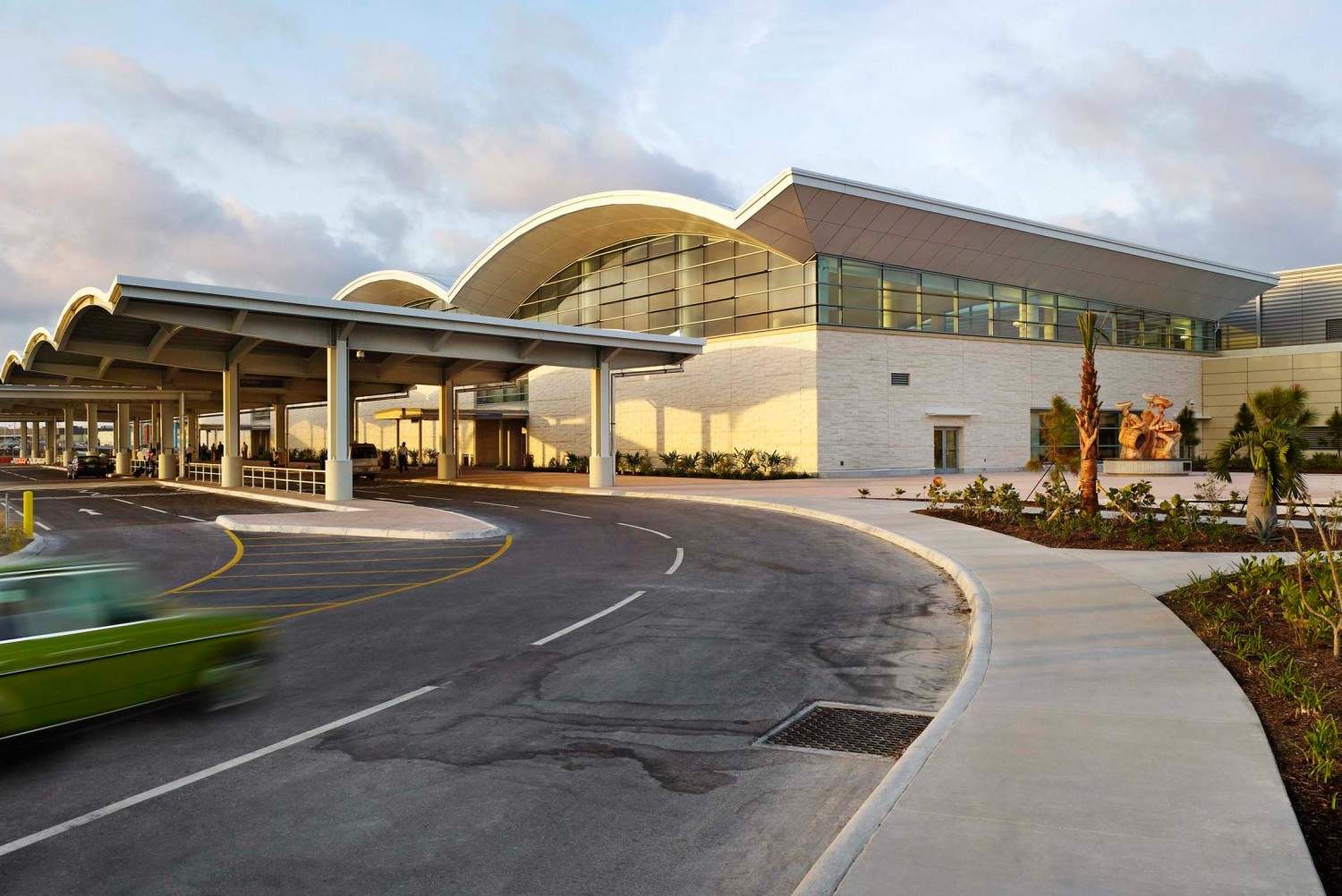
Completed in December 2025 and powered in January 2026 through a dedicated transformer, the new terminal—valued at approximately $2 million—offers full operational capacity, including ticketing areas, airline offices, vendor spaces and integrated security services. With seating for just 30 passengers, its scale reflects the island it serves. Its purpose, however, extends well beyond it.
“This new terminal… is a declaration of the importance of Mayaguana to our plans for development,” said Prime Minister Philip Davis during the commissioning ceremony. The statement underscores a key idea: infrastructure investment is no longer concentrated solely in high-traffic hubs, but increasingly directed toward historically underserved territories.
A small project within a large-scale national programme
Mayaguana’s airport is not an isolated initiative. It forms part of the Bahamas’ “Family Islands Airport Renaissance”, a programme launched in September 2021 and described by the government as the most ambitious aviation infrastructure effort in the country’s history.
Since its inception, major works have been completed across multiple islands, including Ragged Island, Great Harbour Cay, Grand Bahama’s domestic terminal, Lynden Pindling International Airport, Stella Maris Airport in Long Island and now Mayaguana. At the same time, construction is ongoing at more than ten additional sites, spanning Abaco, Bimini, Cat Island, Eleuthera, Exuma and Grand Bahama International Airport. Further projects are already in the pipeline for islands such as Andros, Crooked Island and Rum Cay.
Taken together, these developments point to a coordinated effort to strengthen national connectivity, reduce disparities between islands and build a more resilient aviation network across the archipelago.
Infrastructure as a catalyst for economic activation
Beyond connectivity, the Mayaguana terminal reflects a broader economic ambition. Improved air access is expected to facilitate not only passenger mobility but also investment flows, private aviation activity and tourism development.
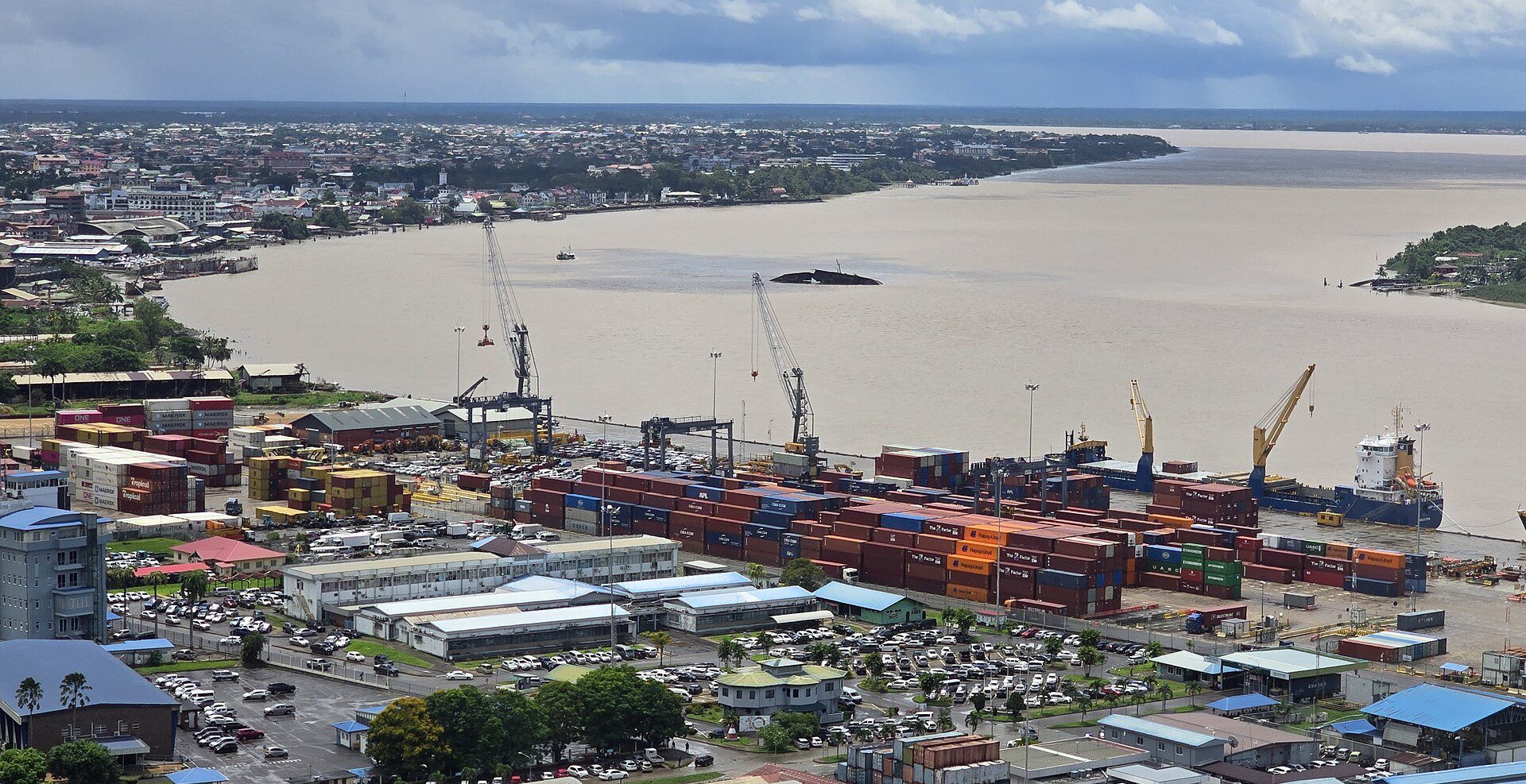
More critically, the airport upgrade is closely linked to a major maritime project currently planned for the island. Authorities have committed to the development of a three-phase deep-water seaport, including a cruise terminal, a transshipment facility and adjacent land development. Structured as a public-private partnership involving both government and private stakeholders, the project is projected to generate approximately 2,000 jobs over its lifetime—an extraordinary figure for a community of fewer than 400 inhabitants.
“The economy of Mayaguana will be forever changed by this progress,” Davis stated, highlighting the transformative expectations tied to these combined infrastructure investments.
In this context, the airport is not an endpoint, but a prerequisite—an enabling asset designed to support a wider economic ecosystem.
A strategic location long constrained by limited access
Geographically, Mayaguana occupies a unique position within the Caribbean basin. Located approximately 334 miles southeast of Nassau and about 520 miles from Palm Beach, Florida, the island sits between major regional corridors linking North America and the eastern Caribbean.
Historically, however, this strategic positioning remained largely untapped due to limited infrastructure. For decades, access constraints restricted both economic development and integration into broader regional flows.
With the introduction of modern airport facilities, that dynamic begins to shift.
Deputy Prime Minister and Minister of Tourism, Investments and Aviation Chester Cooper emphasized the island’s potential to serve as a future logistics node, envisioning “a strategic hub between Europe, Africa, the Bahamas and the Caribbean.” Such positioning, if realized, would elevate Mayaguana from a peripheral outpost to a functional link within regional supply chains.
Toward an integrated infrastructure system in the southern Bahamas
The developments underway in Mayaguana illustrate a shift toward a more integrated infrastructure model—one that combines aviation, maritime logistics and economic planning.
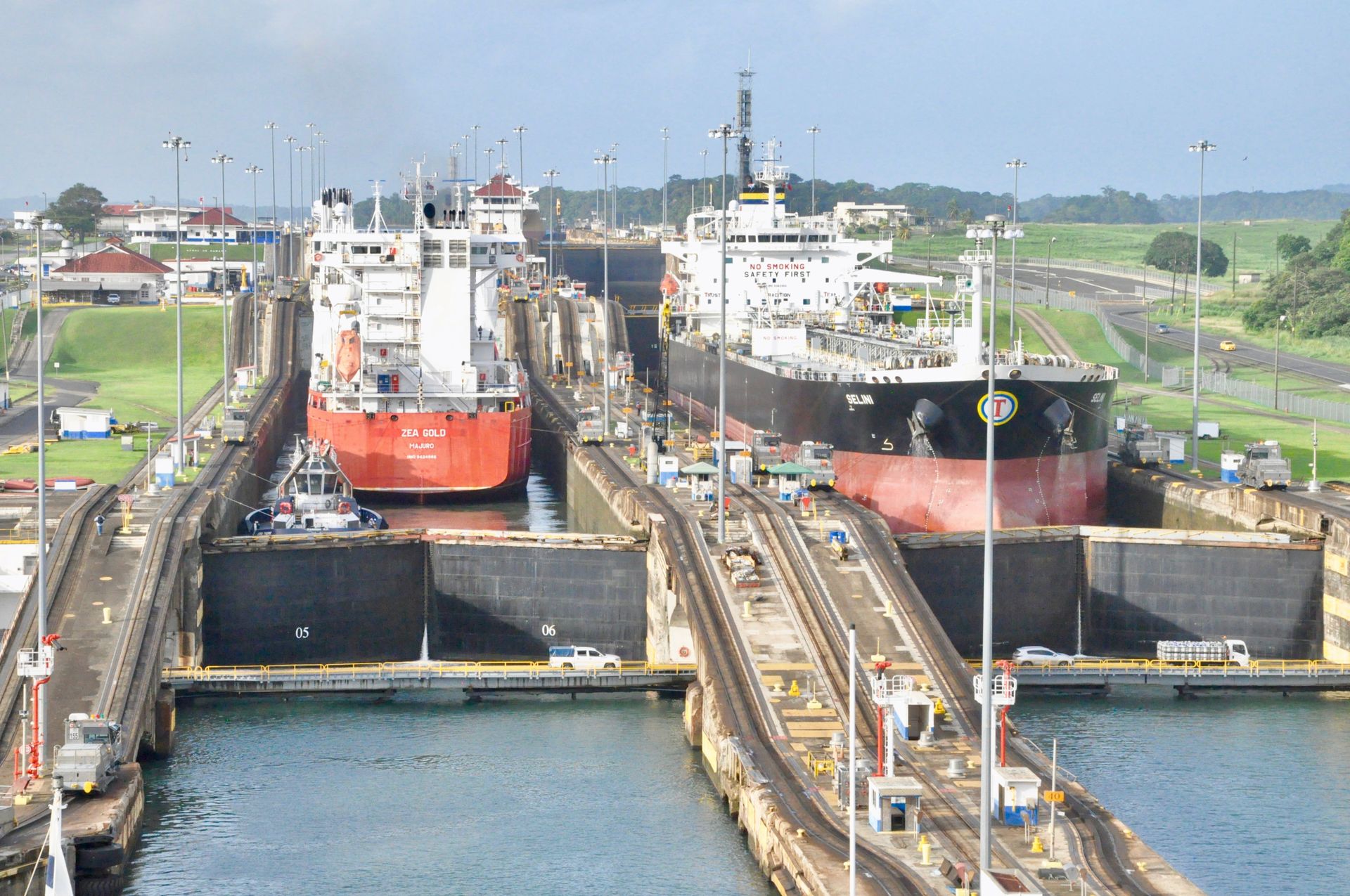
Beyond facilitating passenger travel, the airport enhances emergency response capabilities, with the addition of on-site medical evacuation support. At the same time, the planned seaport aims to reduce logistical inefficiencies, particularly the reliance on supply routes routed through the United States before returning to the Caribbean.
“We want to ensure that we’re reducing the cost of shipping by ensuring that supplies come as directly as possible,” Cooper noted, pointing to a broader objective of optimizing regional supply chains.
This convergence of air and maritime infrastructure reflects a systemic approach: rather than investing in isolated assets, the Bahamas is building interconnected platforms designed to support long-term development.
A micro-infrastructure with macro implications
At just over 3,200 square feet, the Mayaguana terminal remains modest in physical scale. Yet its significance lies in what it represents.
For decades, the island’s airport functioned primarily as a basic link to the outside world. Today, it is repositioned as a strategic asset—one that improves accessibility, strengthens resilience, enhances investor confidence and lays the groundwork for future growth.
In a region where connectivity remains uneven and infrastructure gaps persist, such investments highlight a broader trend: the increasing role of targeted, small-scale infrastructure in driving large-scale territorial transformation.
In Mayaguana, a small airport is no longer just a gateway. It is becoming a platform for development—and a signal of how even the most remote territories can be integrated into a wider economic and logistical system.