In brief:
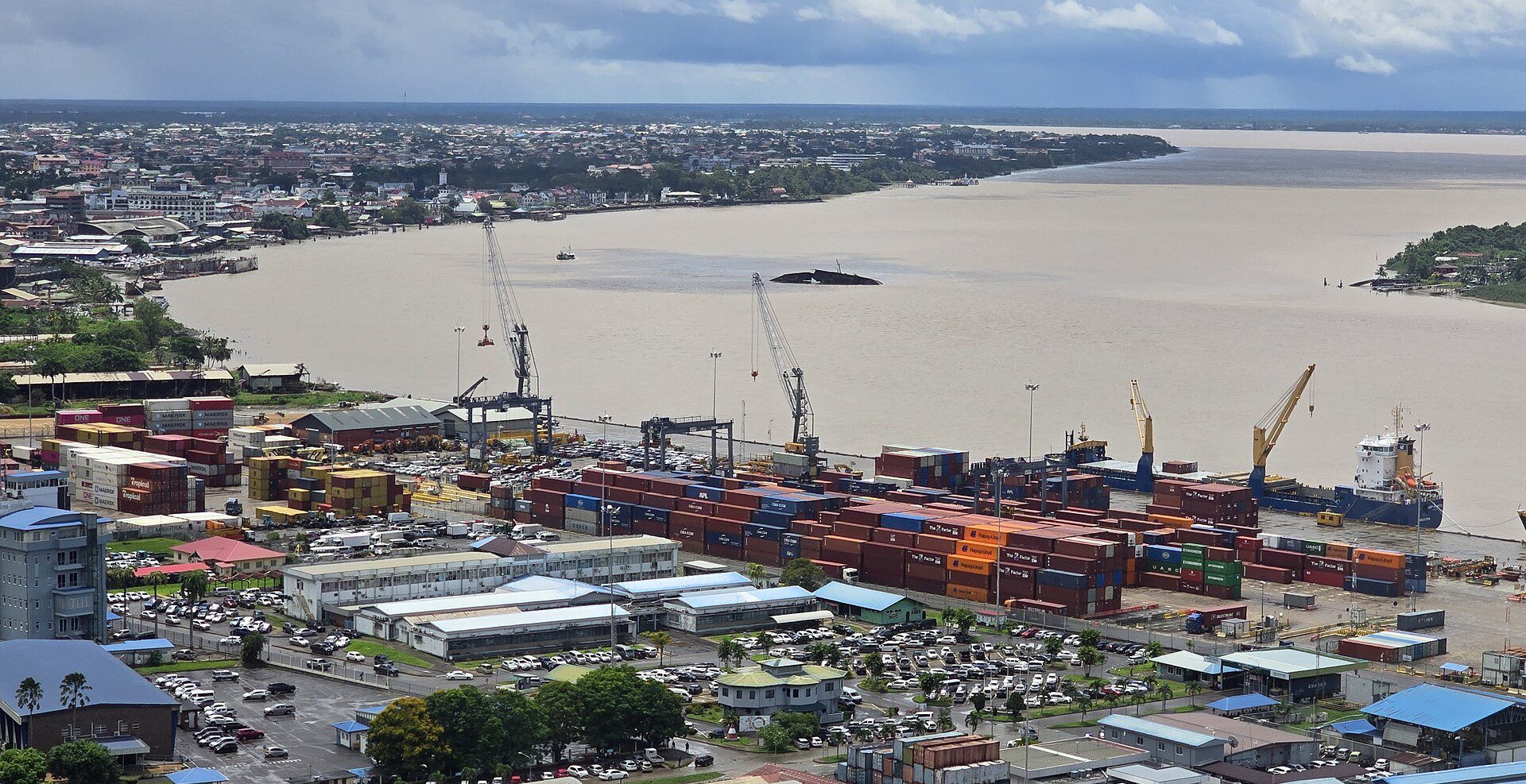
- Approximately $55 billion USD in port investments are identified by 2040 to prevent a structural capacity deficit in Latin America.
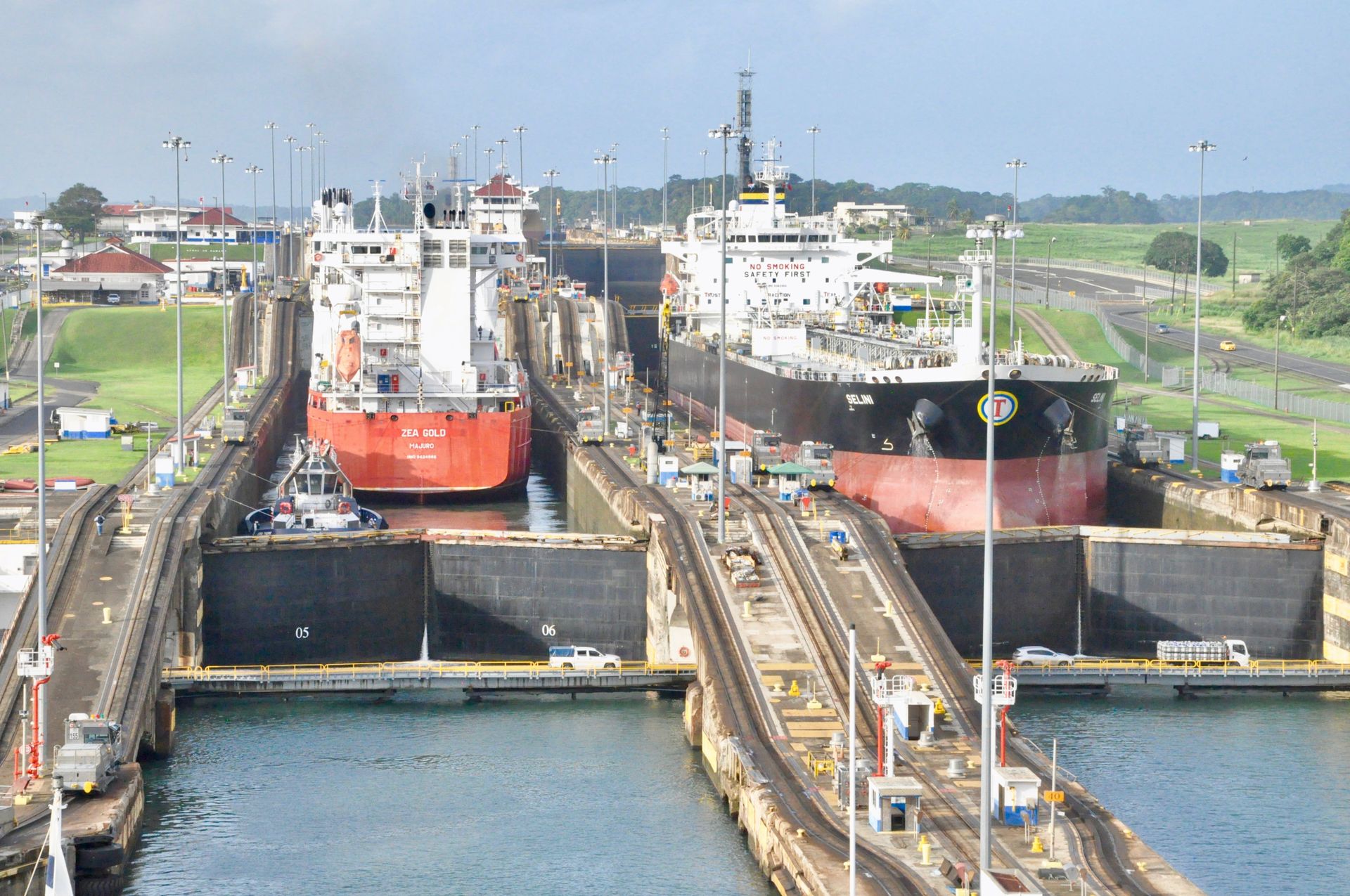
- Recent logistical tensions (drought in the Panama Canal, congestion, rerouting of flows) show that vulnerabilities are already visible, well before the 2040 deadline.
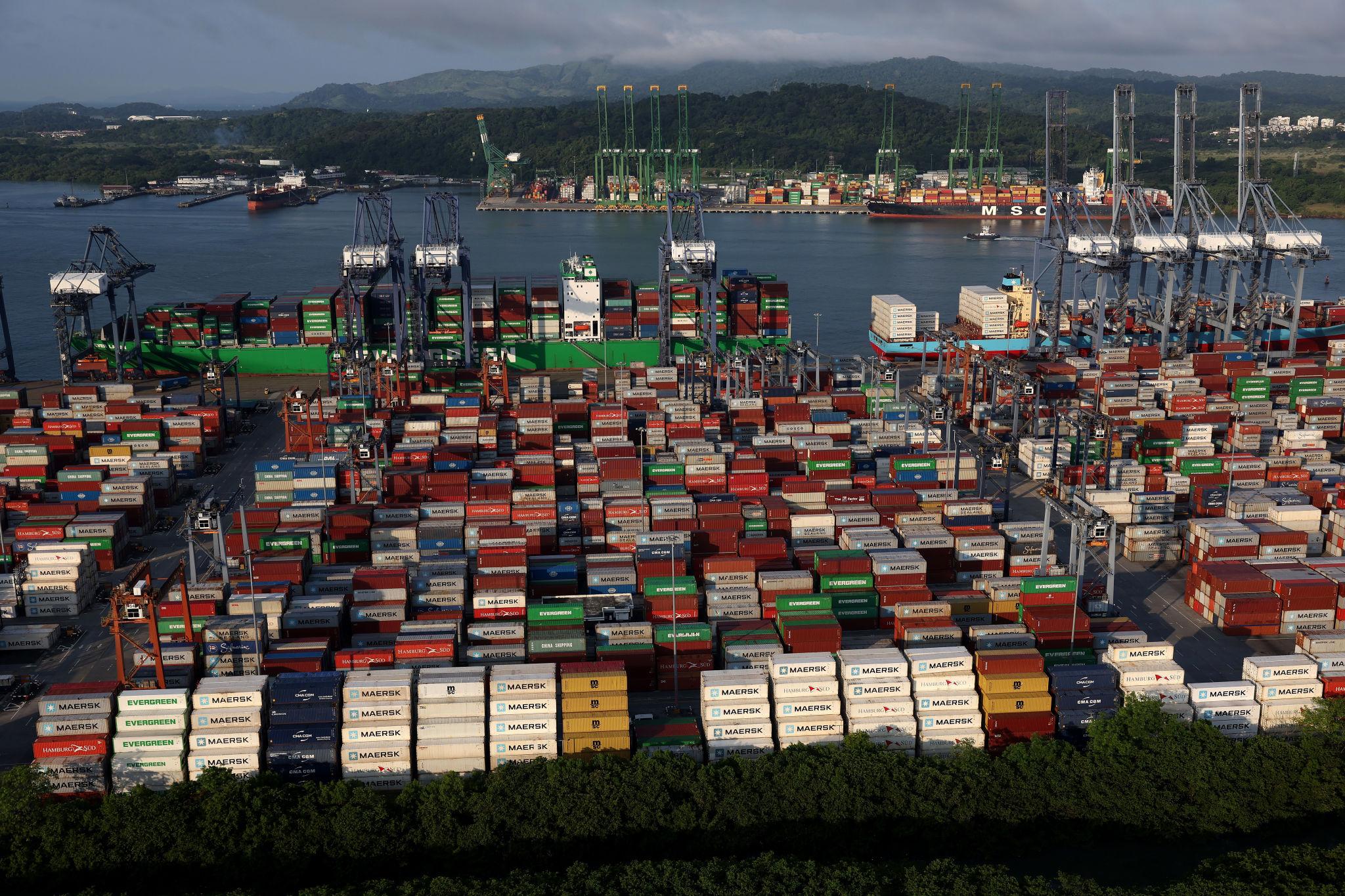
- Mexico, Brazil, and Panama concentrate the majority of short- and medium-term needs, due to their role as regional hubs.
- The question is no longer just the amount to invest, but the pace and coordination of investments, under penalty of a lasting degradation of regional logistical competitiveness.
—
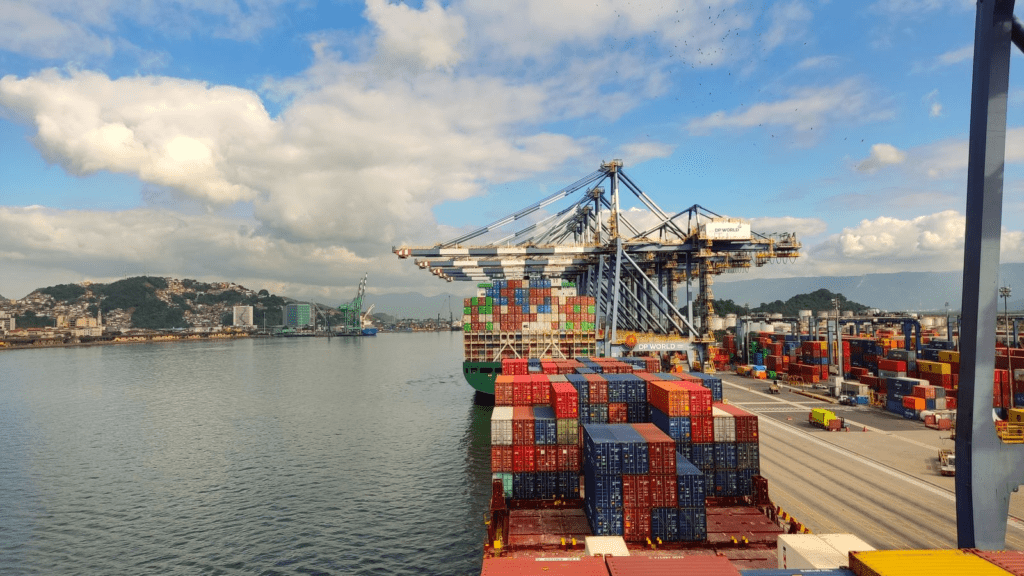
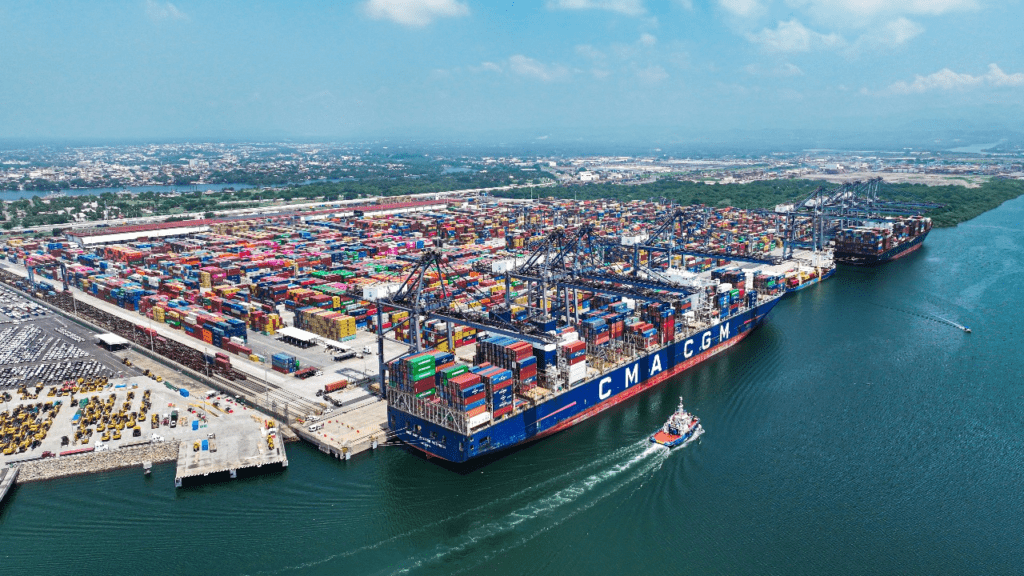
The need for port investment in Latin America is no longer a mere prospective exercise. The estimate of approximately $55 billion USD by 2040, regularly cited in institutional works, now resonates with very real tensions observed in regional supply chains.
This estimate is based notably on analyses by CAF, which point to a structural deficit in containerized capacity likely to reach over 113 million TEUs by 2040 if investments do not keep pace with trade growth. At this stage, the challenge is no longer just to modernize infrastructure, but to prevent a gradual degradation of regional logistical competitiveness.
Port Capacity Under Pressure, Beyond Projections
Data from the Inter-American Development Bank show that nearly 77% of regional containerized traffic currently transits through ports operated under public-private partnerships. This model has led to significant efficiency gains, but it now operates in a much more constrained environment.
Recent events have acted as a wake-up call. The transit restrictions in the Panama Canal implemented in 2023 and 2024, linked to a prolonged drought, led to a reduction in the number of daily transits and increased prioritization of vessels based on their draft and commercial value. For shipowners, these trade-offs resulted in extended transit times, route adjustments, and, in some cases, diversions to alternative ports.
These disruptions had an immediate effect on several port platforms in the region, already close to their capacity thresholds. They illustrate a reality that is now difficult to ignore: the operational margin of the Latin American port system is limited, and climatic or logistical shocks tend to produce rapid chain reactions. Recent UNCTAD analyses also highlight that these phenomena are no longer exceptional but are expected to multiply in a context of climate change and increased volatility in global trade.
Mexico, Brazil, Panama: Hubs That Have Become Points of Vulnerability
Reference studies clearly identify Mexico, Brazil, and Panama as investment priorities in the short and medium term. This observation is not solely due to statistical weight. These countries concentrate a significant portion of regional flows and play a role as logistical nodes between Latin America, North America, Europe, and Asia.
This concentration creates a leverage effect, but also a systemic risk. When one of these hubs experiences prolonged saturation, an operational constraint, or a climatic disruption, the impact spreads rapidly to regional supply chains. Secondary ports, often less equipped or less connected to their hinterlands, struggle to sustainably absorb these traffic diversions.
In this context, the question of investments is not limited to increasing port capacities strictly speaking. It also refers to the quality of land connections, the fluidity of logistical corridors, and the ability of ports to integrate into resilient multimodal networks. The lack of coordinated scaling up in these areas increases the risk of bottlenecks, even when port extensions are carried out.
Beyond Funding, a Question of Timing
While the $55 billion USD figure provides an order of magnitude for the needs, the central question is now that of the pace of investment deployment. Port projects, mostly modernization or extension operations of existing infrastructure, require long lead times, complex contractual arbitrations, and strong public-private coordination.
The tensions observed in recent years show that timing has become a critical factor. Without controlled acceleration, the risk is not only occasional saturation but a progressive erosion of regional logistical reliability, with direct consequences for the competitiveness of Latin American economies.
A Trajectory Already Underway
Studies converge on one point: the $55 billion USD in identified port investments do not constitute a theoretical long-term ambition, but a minimum threshold to absorb already visible constraints. Recent shocks have shown that the system operates with reduced margins. The question is therefore no longer whether these investments will be necessary, but whether they will be undertaken in time and in a sufficiently coordinated manner to secure the region’s logistical trajectory.