Air connectivity between South America and the Caribbean continues to deepen as LATAM Airlines prepares to expand its Lima–Aruba route to daily service starting in April 2026. The increase in frequency marks a significant step in Aruba’s strategy to strengthen its links with South American markets while leveraging LATAM’s regional network to broaden the island’s international accessibility.
Until now operated five times per week, the route will transition to seven weekly flights, adding two additional frequencies and further consolidating Lima as a key gateway connecting Aruba with the wider South American region.
A growing Lima–Aruba corridor
The expansion represents a tangible increase in seat capacity between Peru and Aruba. According to the announcement, the two additional weekly flights will add 348 extra seats per week to the route.
Once the new schedule is implemented, the Lima–Aruba connection will offer more than 1,200 seats per week in each direction, representing an estimated 40% year-over-year increase in seat capacity for 2026.
On an annual basis, the additional frequencies are expected to generate over 18,000 additional seats in the Peru–Aruba market. For Aruba’s aviation and tourism stakeholders, this additional capacity is designed to support sustained growth in visitor arrivals from South America.
Strengthening Aruba’s access to South American markets
For the destination, the route plays a key role in diversifying inbound tourism flows. Caribbean destinations have increasingly sought to expand beyond traditional North American and European source markets, and South America has emerged as a promising growth region.
According to Ronella Croes, CEO of the Aruba Tourism Authority, the partnership with LATAM carries particular strategic importance.
“As a legacy airline, they transport a high-value segment of travelers across the Latin American region,” she noted, emphasizing that the strengthened connectivity reinforces Aruba’s links with several major markets including Peru, Chile, Argentina and Brazil.
The introduction of daily service is therefore expected to facilitate smoother travel planning while improving Aruba’s visibility within the region’s tourism landscape.
The strategic role of LATAM’s Lima hub
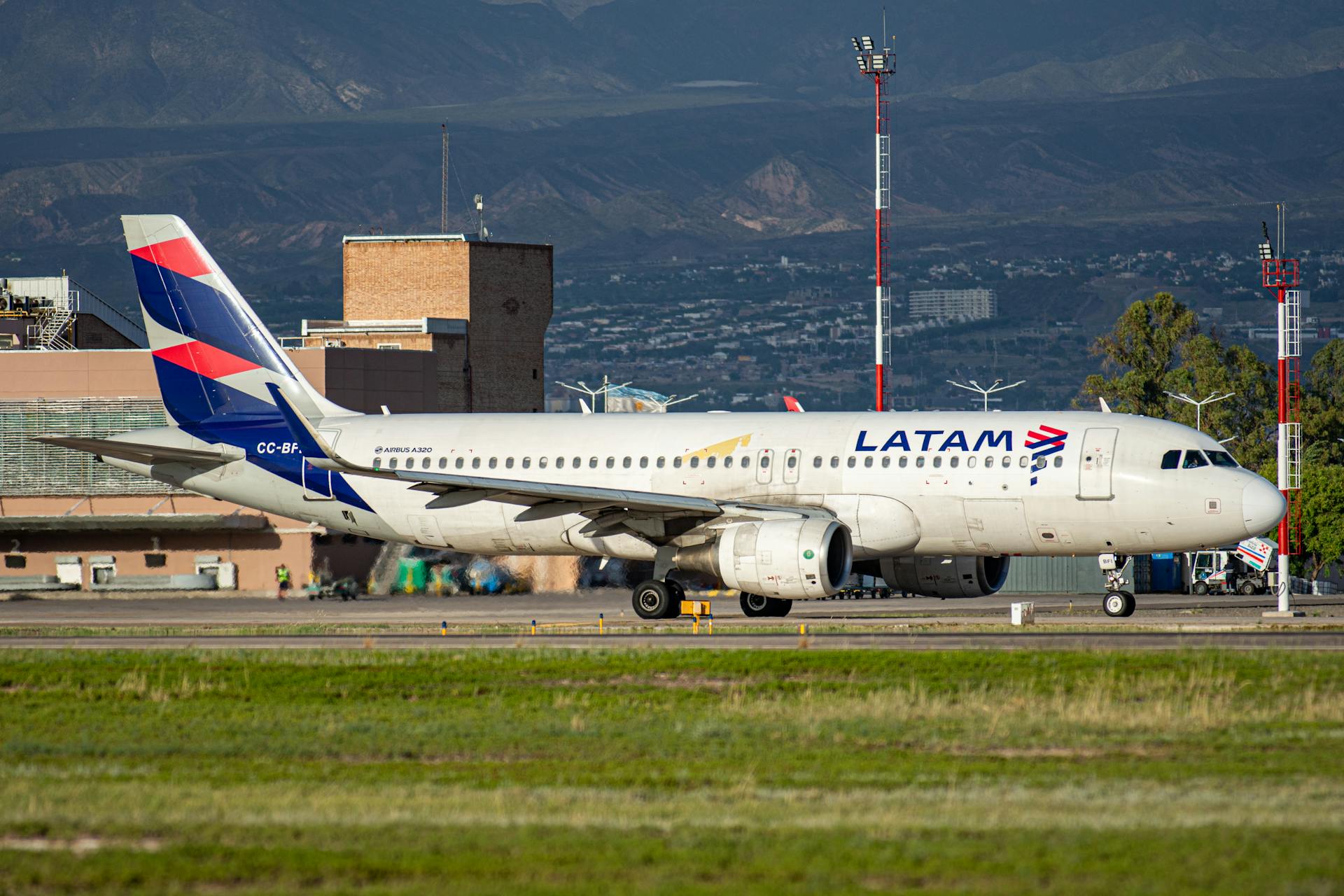
The Lima–Aruba route also benefits from LATAM’s hub structure in Peru. Operated with Airbus A320 aircraft, the service connects Aruba directly to LATAM’s Lima hub, providing convenient one-stop access to a broader network of South American destinations.
Through Lima, travelers can reach several major cities across the continent, including Santiago, Buenos Aires, Montevideo and Quito, effectively extending Aruba’s connectivity far beyond the Peruvian market alone.
This hub connectivity illustrates how a single route can act as a gateway linking Caribbean destinations with multiple regional markets, reinforcing Lima’s role as a strategic redistribution point within LATAM’s network.
Partnerships driving route development
The expansion also reflects ongoing collaboration between aviation and tourism stakeholders. The announcement follows meetings held during Routes Americas 2026 in Rio de Janeiro, one of the region’s leading air service development forums where airlines, airports and tourism authorities meet to negotiate and expand route networks.
During the event, LATAM Airlines Group received the Airline Partnership Award, recognizing the airline’s collaboration with Aruba Airport Authority and tourism partners in developing and growing connectivity to the island.
Such partnerships are increasingly central to route development strategies, as destinations and airlines work jointly to stimulate passenger demand and ensure long-term route performance.
LATAM’s regional network strength
The expansion also reflects the broader scale of LATAM Airlines Group’s network. As the largest airline group in Latin America, LATAM serves more than 160 destinations across nearly 30 countries.
Its multi-hub structure, including major hubs in Lima, Santiago, São Paulo and Bogotá, enables the airline to connect travelers across the continent while also linking South America to destinations throughout the Americas, Europe and other global markets.
Within this framework, the Lima–Aruba route forms part of a wider strategy aimed at strengthening regional connectivity and expanding travel flows between South America and Caribbean destinations.
A stronger gateway for Aruba
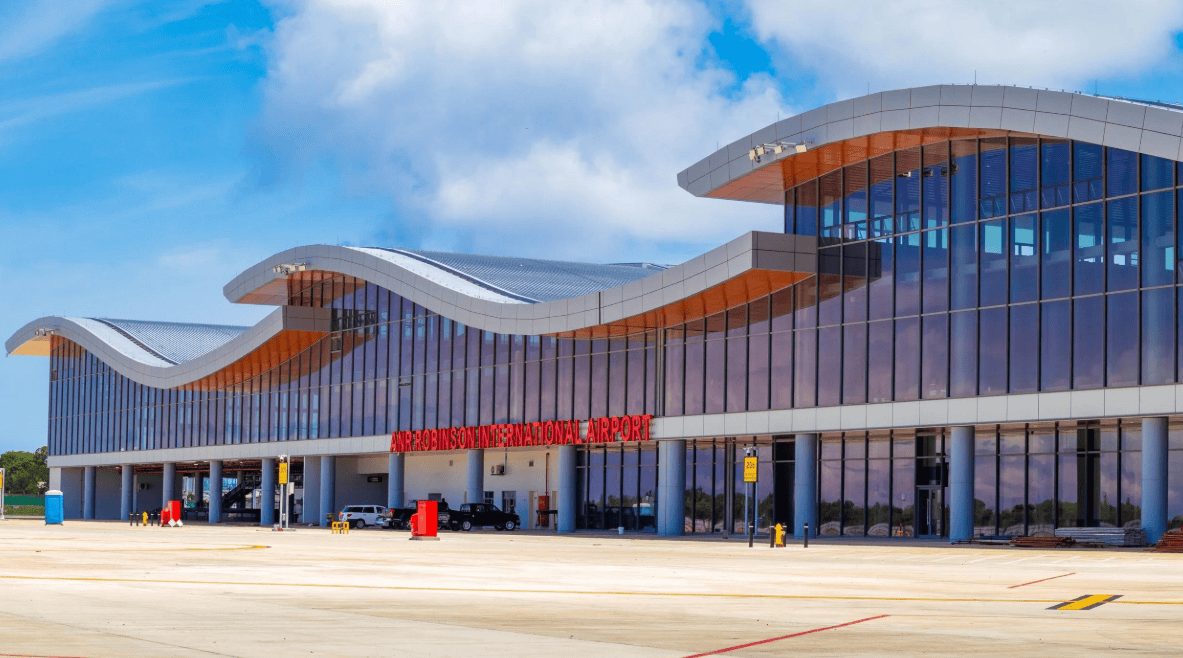
The transition to daily service further reinforces the role of Queen Beatrix International Airport as a key gateway connecting Aruba with international markets. By increasing frequency and seat capacity, the route improves accessibility for travelers while supporting the island’s long-term tourism diversification strategy.
As South American travel demand continues to expand, the Lima–Aruba corridor is poised to play an increasingly important role in linking the Caribbean destination with one of the fastest-growing outbound markets in the region.