For years, the Caribbean’s container port hierarchy has largely been dominated by the region’s major transshipment hubs. Larger facilities in Jamaica, The Bahamas or Trinidad typically attract most of the attention when conversations turn to cargo performance, infrastructure investment and regional competitiveness.
That is what made the 2025 results of the Caribbean Shipping Association’s Ludlow Stewart Container Port of the Year assessment particularly notable.
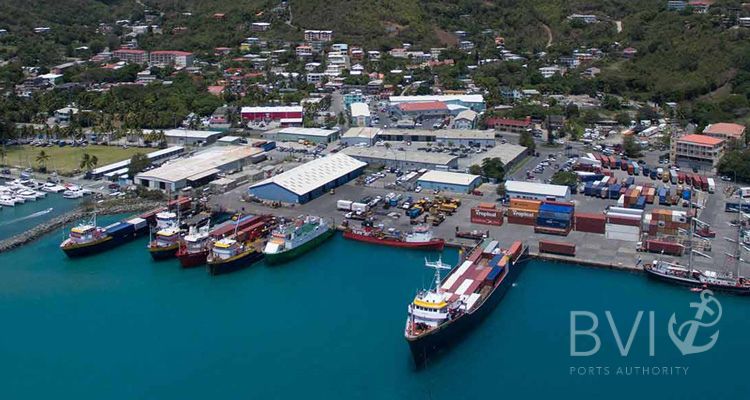
Instead of a dominant regional heavyweight taking the top position, the award went to Port Purcell in the British Virgin Islands, a much smaller operation handling roughly 30,000 TEU annually on Tortola.
The result was not symbolic. It reflected measurable operational gains across multiple performance indicators at a time when efficiency is becoming increasingly valuable in global shipping.
Port Purcell finished the assessment with 59.6 points, ahead of Point Lisas in Trinidad at 55 points and Hamilton, Bermuda at 54.7 points.
More importantly, the performance highlighted a broader shift underway across Caribbean maritime logistics: operational execution is starting to matter as much as scale.
Efficiency is becoming a competitive currency
According to the CSA assessment committee chaired by maritime industry veteran Roland Malins-Smith, Port Purcell achieved full marks in six of the ten evaluated categories.
The port recorded strong improvements in:
- container moves per hour,
- truck turnaround times,
- training expenditure,
- capital investment,
- industrial relations,
- and safety performance.
It also posted a 16% positive improvement in environmental sustainability performance within the CSA review framework.
What stands out is that most of these gains were operational rather than purely infrastructural. The assessment did not reward the largest terminal footprint or the highest cargo throughput. It rewarded consistency, modernization and execution discipline.
That distinction matters more than ever in today’s shipping environment.
Global carriers are operating under mounting pressure from fuel costs, carbon pricing mechanisms, schedule volatility and geopolitical disruptions. Every additional hour spent waiting offshore or navigating inefficient terminal processes now carries a direct operational cost.
For shipping lines, predictability has become commercially valuable.
Smaller ports are no longer automatically disadvantaged
Historically, smaller Caribbean ports often struggled to compete against larger regional terminals with deeper infrastructure, stronger transshipment volumes and greater investment capacity.
But the competitive equation is evolving.
The CSA review itself highlighted that operational congestion pressures remain visible at several larger ports across the region. At the same time, ports capable of reducing truck turnaround times, improving berth productivity and maintaining workforce stability are becoming more attractive within increasingly fragile supply chains.
Hamilton in Bermuda, for example, also performed strongly in turnaround efficiency and recorded no waiting time during the review period. Point Lisas significantly increased training expenditure, while Kingston Freeport Terminal more than doubled its own training investment.
The broader picture emerging from the assessment is that Caribbean ports are entering a new operational phase where performance metrics are expanding beyond cargo volume alone.
Shipping operators are now paying closer attention to:
- turnaround reliability,
- workforce capability,
- environmental reporting,
- safety performance,
- and operational resilience.
That trend could reshape how smaller ports position themselves within regional logistics networks over the coming years.
Reliability is becoming more valuable than scale alone
Port Purcell’s performance also reflects the growing importance of execution quality in an industry becoming more exposed to disruption.
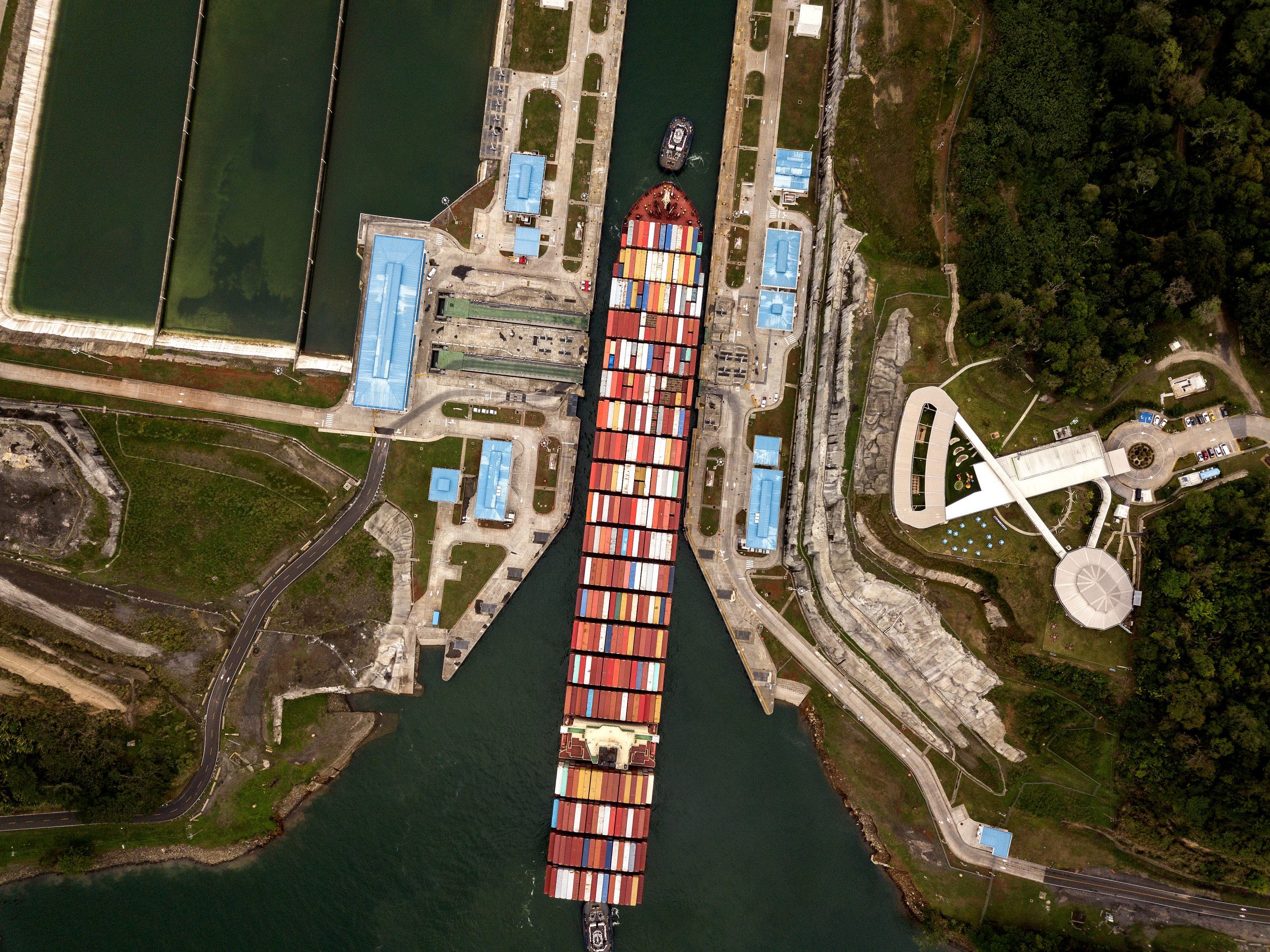
The Red Sea crisis, constraints around the Panama Canal and continuing freight volatility have forced shipping lines to reassess route planning and network resilience globally. Under those conditions, operational consistency at port level becomes strategically important.
A reliable regional port capable of minimizing delays may now offer more value to certain operators than a larger but less predictable facility.
That does not mean scale has become irrelevant. Large transshipment hubs will continue to dominate major cargo flows across the Caribbean. But the gap between major and secondary ports may become less rigid as carriers place greater emphasis on efficiency and risk reduction.
For smaller island economies with limited investment capacity, that evolution creates opportunities.
Not every Caribbean port can become a mega hub. But many can improve competitiveness through targeted modernization, stronger operational management and better workforce development rather than pursuing oversized expansion strategies.
A changing model of Caribbean port competitiveness
The 2025 Port of the Year result ultimately says as much about the future of Caribbean shipping as it does about Port Purcell itself.
The region’s ports are operating in a maritime environment increasingly shaped by carbon costs, operational scrutiny and tighter supply chain expectations. In that environment, competitiveness is no longer defined only by geography or scale.
It is increasingly defined by how efficiently a port can move cargo, manage delays, maintain reliability and adapt to changing industry pressures.
For Caribbean ports navigating that transition, Port Purcell’s performance offers a clear signal: disciplined execution is becoming a strategic advantage in its own right.