The global maritime industry is entering a period of profound transformation driven by the need to reduce greenhouse gas emissions. For decades, shipping was primarily evaluated through the lenses of efficiency, trade facilitation and logistics performance. Today, decarbonization is rapidly becoming one of the central strategic variables shaping maritime infrastructure and port operations.
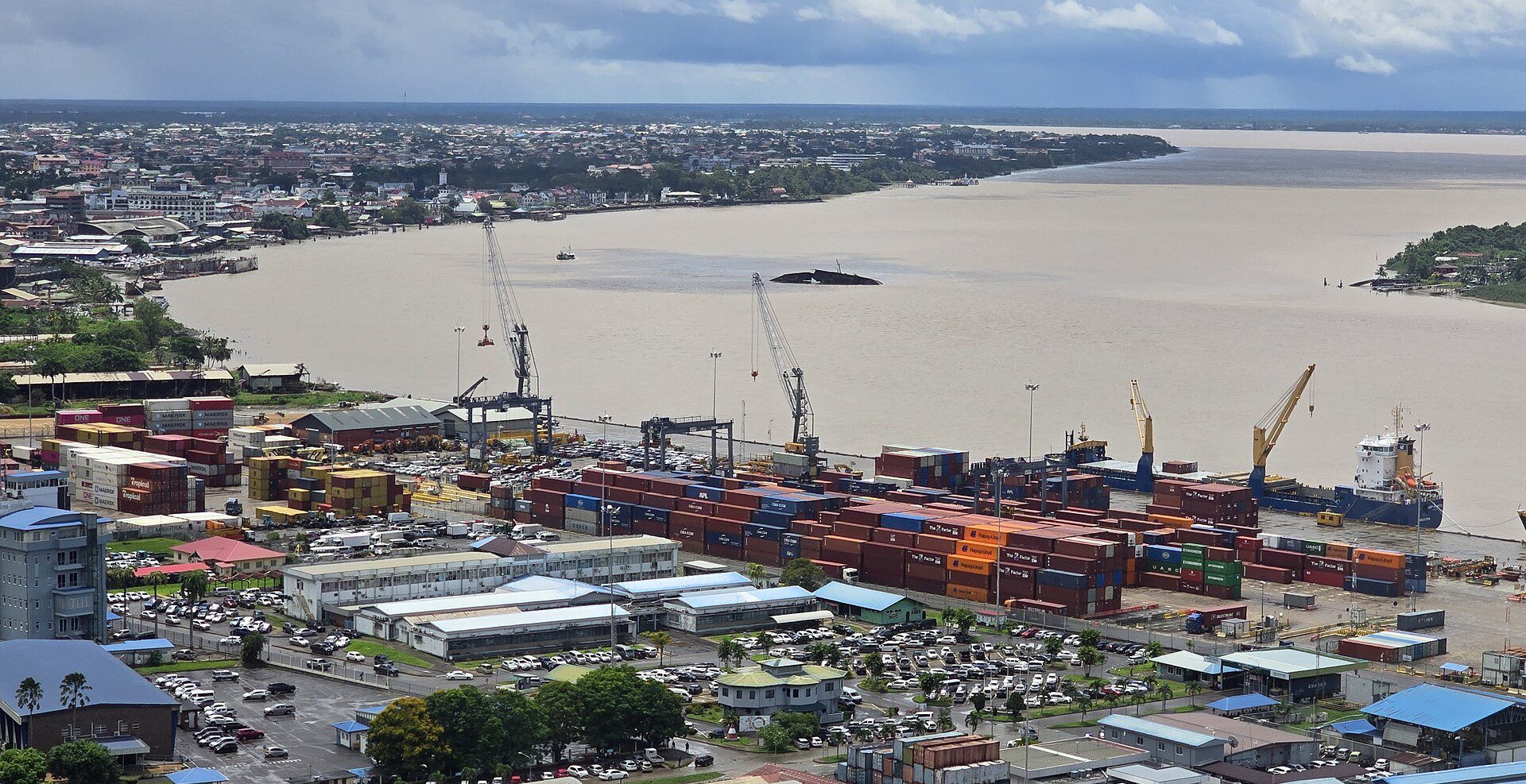
This shift was a recurring theme during discussions among maritime and port industry experts at the Caribbean Shipping Association’s 55th Annual Conference in Paramaribo in October 2025. Several interventions highlighted that the decarbonization of maritime transport will not depend solely on technological innovation aboard vessels, but also on the capacity of ports to accommodate new energy systems, fuel supply infrastructures and updated operational standards.
For the Caribbean region, where maritime connectivity is essential for trade, energy transition is therefore emerging as both a challenge and a strategic opportunity.
Global Decarbonization Targets Are Reshaping Shipping
The international maritime sector is under increasing regulatory pressure to reduce its carbon footprint. The International Maritime Organization (IMO) has adopted long-term targets aimed at reaching net-zero greenhouse gas emissions from international shipping by around 2050, compared with 2008 levels. These targets are progressively influencing ship design, fuel choices and operational practices across the global fleet.
Shipping currently accounts for roughly 3% of global greenhouse gas emissions. Although this share may appear relatively small compared with other sectors, the growth of global trade means that emissions could rise significantly without structural changes in propulsion technologies and fuel systems.
As a result, shipping companies, port authorities and energy producers are increasingly exploring alternative fuels and energy management solutions capable of reducing maritime emissions while maintaining operational reliability.
Alternative Fuels Are Emerging Across the Maritime Sector
A range of alternative fuel options is currently being evaluated by the maritime industry. Liquefied natural gas (LNG) has already been adopted by part of the global fleet as a transitional fuel capable of lowering emissions compared with conventional heavy fuel oil. However, long-term decarbonization strategies are increasingly focusing on fuels with near-zero carbon footprints.
Among the options under consideration are green methanol, ammonia, hydrogen and advanced biofuels. Each of these energy carriers presents different technical, economic and infrastructure requirements. For instance, ammonia and hydrogen require specialized storage, safety protocols and new bunkering systems, while methanol may benefit from easier integration into existing fuel distribution networks.
The diversification of fuel options means that the energy transition in maritime transport will likely involve multiple pathways rather than a single dominant solution.
Ports as Energy Infrastructure
As ships begin to adopt new fuels, ports are expected to play a critical role in enabling the transition. Maritime decarbonization is not limited to vessel propulsion systems. It also depends on the development of shore-side infrastructure capable of supplying alternative fuels and supporting energy-efficient operations.
Several speakers highlighted the growing concept of the “energy port”. In this model, ports evolve from traditional logistics hubs into integrated energy platforms providing bunkering for alternative fuels, electrification services and energy management systems.
Shore power systems represent one of the most immediate opportunities for emissions reduction. By allowing vessels to connect to onshore electricity while at berth, ports can reduce the use of auxiliary engines that normally burn fuel to generate onboard power. This can significantly decrease local air pollution and greenhouse gas emissions during port stays.
Implementing such systems, however, requires substantial upgrades to port electrical infrastructure and coordination with national energy grids.
Strategic Opportunities for the Caribbean
For Caribbean ports, the energy transition presents a complex strategic landscape. On one hand, the region faces structural constraints including relatively small domestic markets, limited infrastructure capacity and fragmented energy systems. On the other hand, the Caribbean occupies a geographically strategic position along major maritime routes linking the Americas, Europe and global shipping lanes.
This location could enable certain ports to position themselves as future bunkering hubs for low-carbon fuels, particularly as global shipping companies begin to restructure fuel supply networks. Countries with expanding energy sectors, such as Guyana and Suriname, may also play a role in developing new maritime energy supply chains linked to offshore resource development.
At the same time, decarbonization will require coordinated planning between port authorities, national governments, shipping companies and energy providers. Without alignment between these actors, investments in alternative fuel infrastructure could remain fragmented or economically inefficient.
The Transition From Logistics Hubs to Energy Platforms
The discussions surrounding the future of maritime energy systems suggest that ports are gradually entering a new phase of strategic evolution. Historically, port competitiveness depended primarily on cargo volumes, terminal efficiency and connectivity within shipping networks.
Today, energy capability is becoming an additional dimension of competitiveness. Ports that develop the infrastructure necessary to support low-carbon fuels, electrified operations and energy management systems may strengthen their position within global maritime networks.
For Caribbean ports, this transition will not happen overnight. It will require long-term investment, regulatory adaptation and technological experimentation. However, the direction of change is becoming increasingly clear.
Decarbonization is no longer simply an environmental objective for the maritime sector. It is rapidly becoming a central element of port strategy and infrastructure planning across the global shipping system.