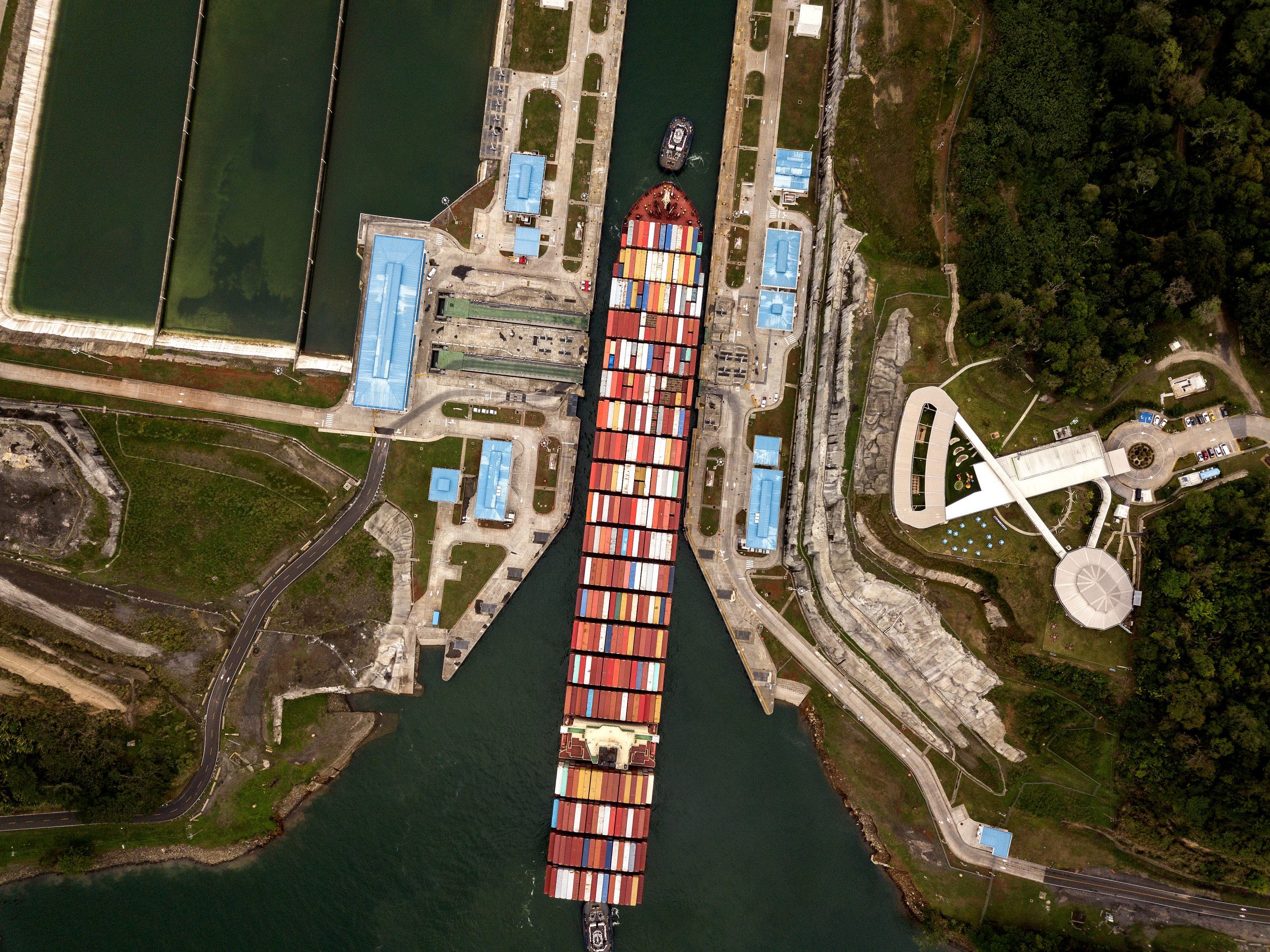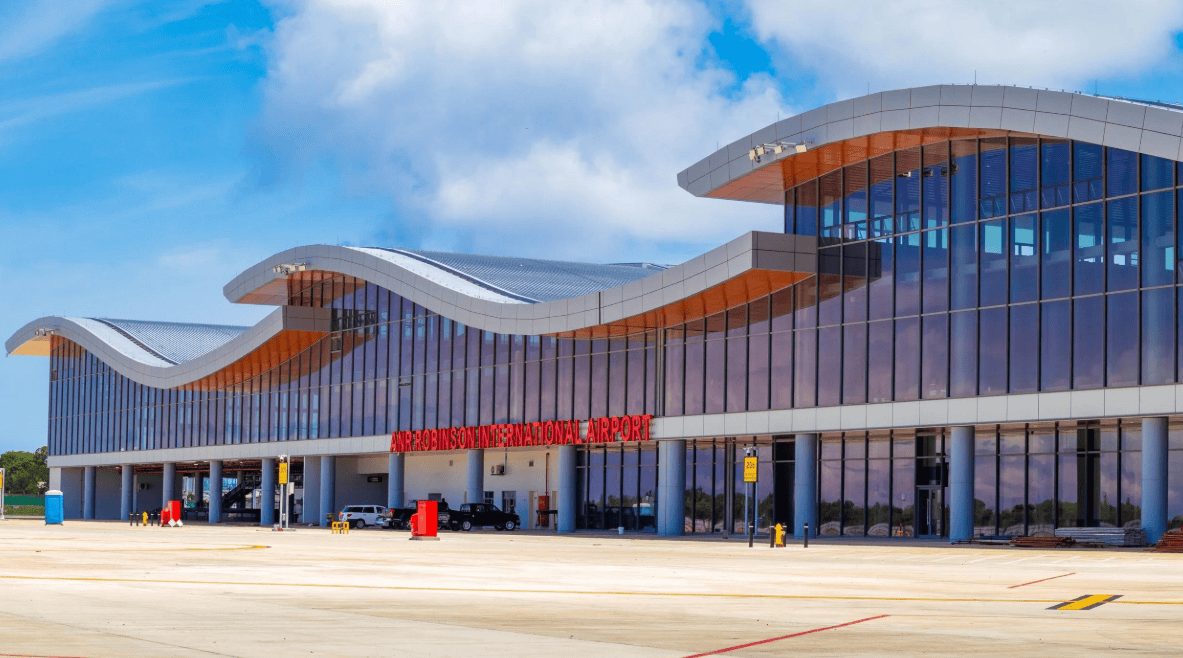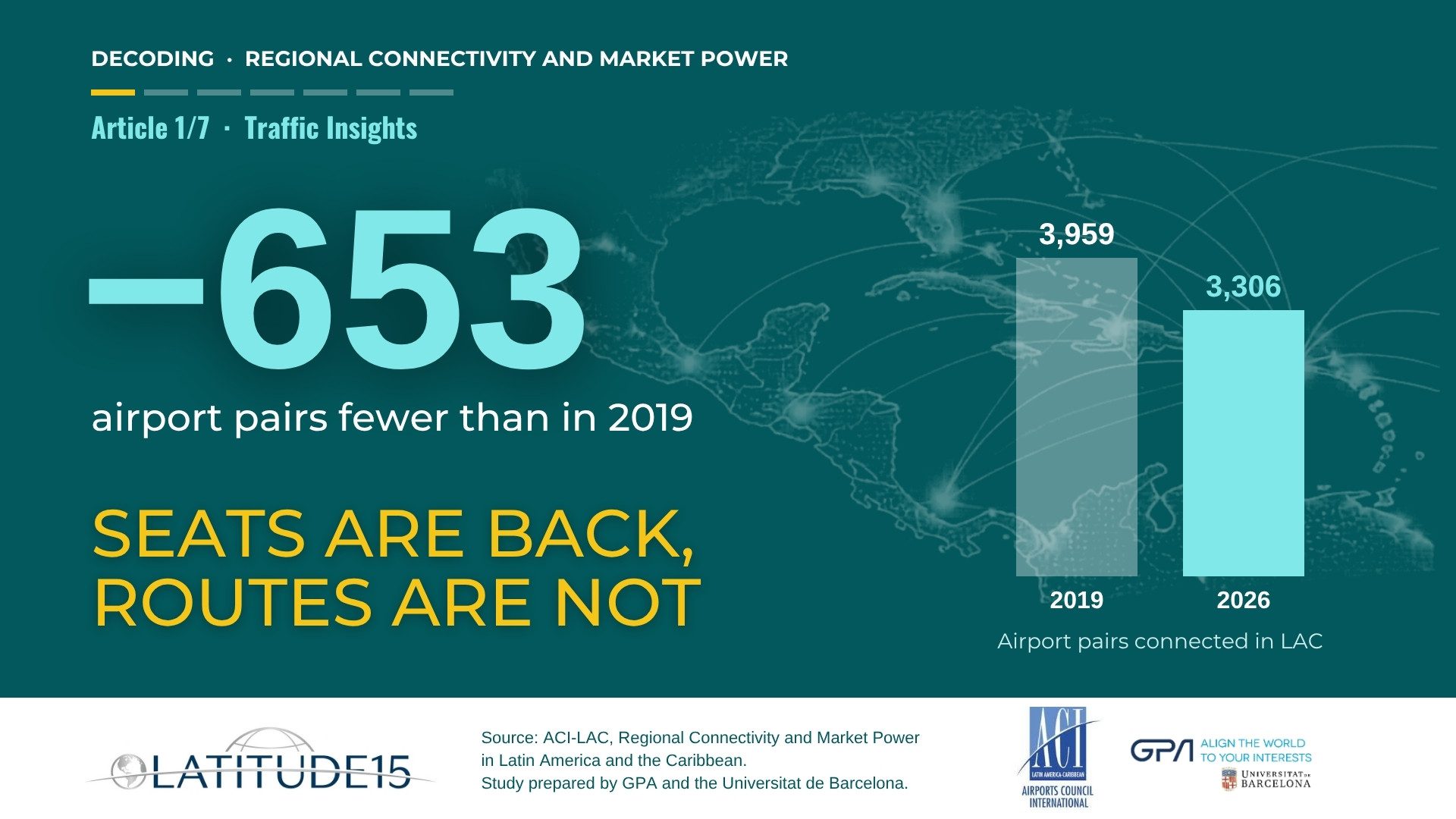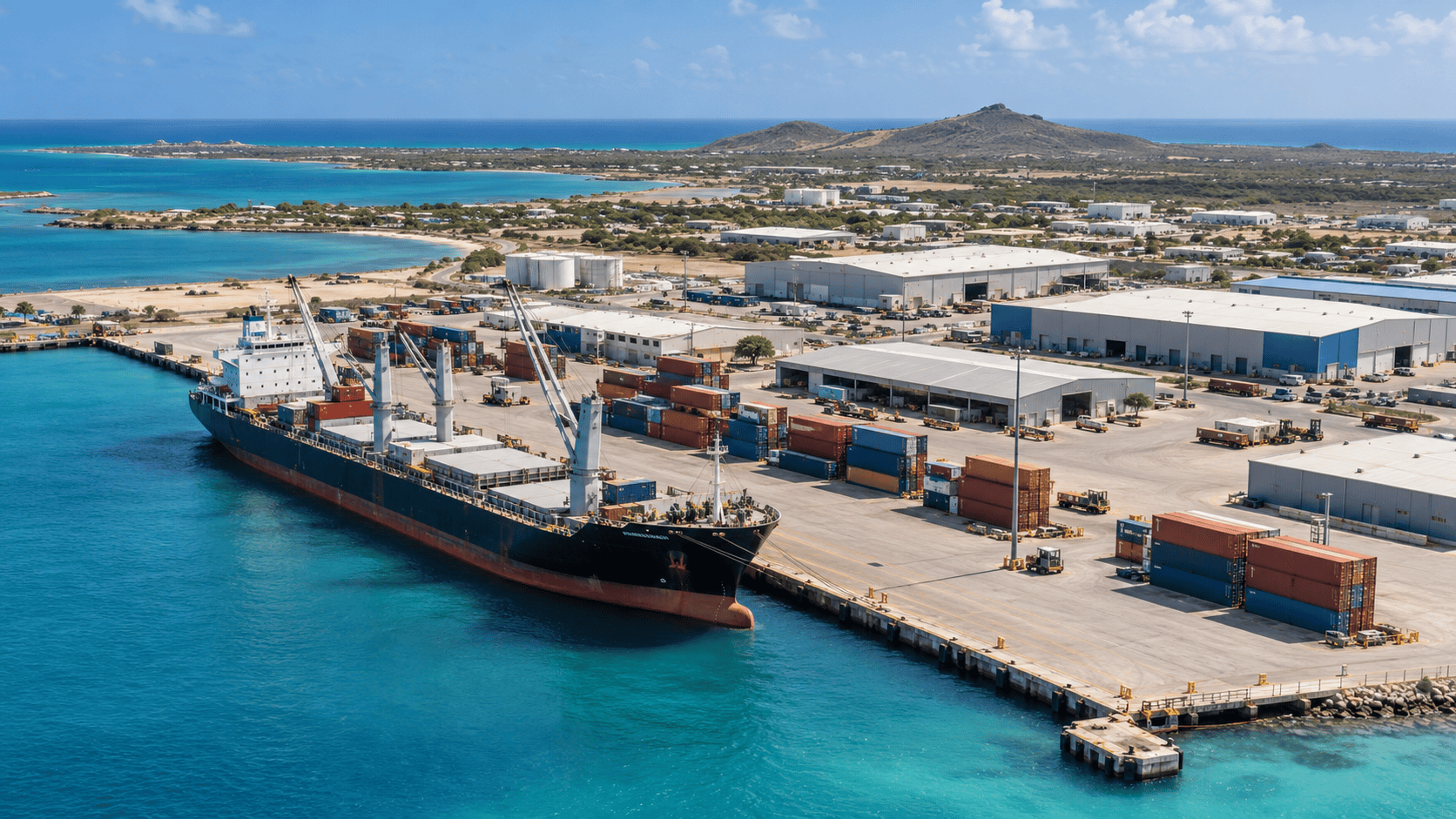
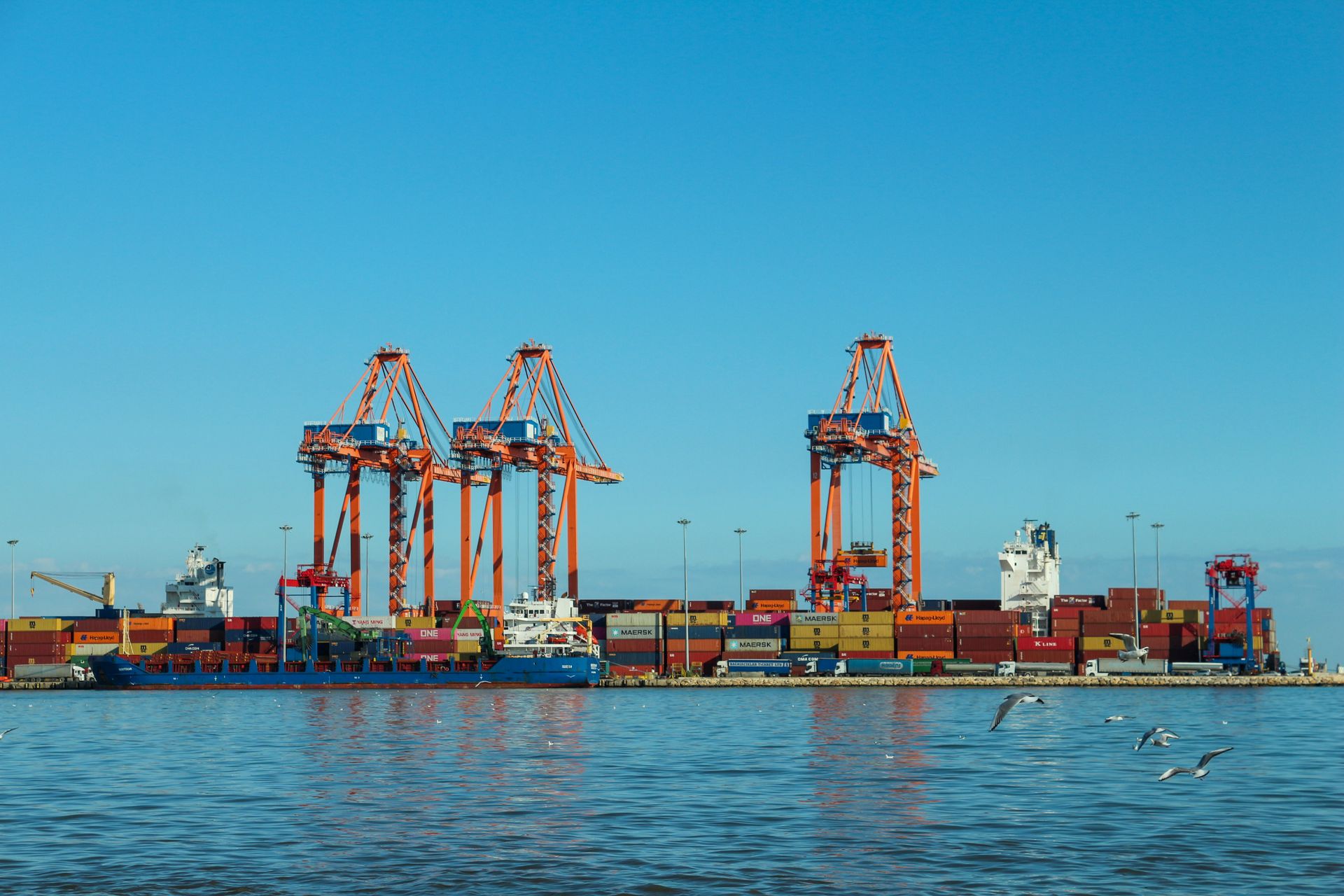
Across the Caribbean, ports are entering a decisive phase of transformation. Larger vessels, increasingly digital supply chains and intensifying competition among regional transshipment hubs are reshaping operational requirements, placing new demands on infrastructure, governance and workforce capabilities. In the issue n°57 of Caribbean Maritime, the official journal of the Caribbean Shipping Association (CSA), maritime development consultant Dr Averne Pantin examines these structural challenges in Ports at the Crossroads, arguing that long-term competitiveness will depend on a broader modernization agenda extending well beyond physical infrastructure.
Ports remain strategic assets for Caribbean economies
For Caribbean island states, ports are far more than cargo handling facilities. They function as national logistics platforms that underpin trade, supply chains and economic activity. The efficiency of port operations directly affects import costs, export competitiveness and the reliability of essential goods reaching local markets.
The region’s dependence on maritime transport reinforces this strategic role. According to figures referenced in the magazine, between 80% and 90% of the food consumed across the Caribbean is imported, with the vast majority arriving by sea. As a result, operational bottlenecks at ports can quickly translate into higher logistics costs, delivery delays and increased prices for businesses and consumers alike.
Larger vessels are redefining infrastructure requirements
One of the most immediate challenges identified is the continued growth in vessel size. As global shipping lines pursue economies of scale through larger container ships, ports must adapt their infrastructure to remain part of international shipping networks.
Many Caribbean facilities were originally designed for considerably smaller vessels. Accommodating today’s fleet increasingly requires channel dredging, berth extensions, quay reinforcement and modern cargo-handling equipment. According to the analysis, delaying these investments carries significant commercial risks, as shipping lines are more likely to favour ports capable of handling larger vessels efficiently and with predictable turnaround times.
Digital integration is becoming a competitive necessity
Infrastructure is only one dimension of modernization. The publication also highlights the growing importance of digital integration in improving port performance.
Leading ports increasingly rely on interconnected digital ecosystems that link shipping lines, terminal operators, customs authorities, freight forwarders and logistics providers through shared data platforms. These systems support electronic documentation, cargo tracking, automated yard management and improved operational visibility.
The report notes that digital transformation should not be viewed simply as the deployment of new software. Rather, it requires integrated information flows that reduce documentation errors, improve coordination between stakeholders and shorten cargo dwell times. In an increasingly competitive environment, operational efficiency is becoming as dependent on data management as on physical infrastructure.
Governance and execution are emerging as critical success factors
The magazine argues that modernization challenges often extend beyond infrastructure and technology. Governance structures can have a direct influence on the pace and effectiveness of investment programmes.
Where institutional responsibilities between governments, port authorities, terminal operators and regulators are not clearly defined, long-term projects may face delays or inconsistent implementation. Stable governance frameworks, combined with clear accountability, are presented as essential conditions for maintaining strategic continuity and supporting sustained investment.
The publication also stresses that execution has become a defining issue. While many port authorities recognise the need for modernization, translating strategy into consistent implementation remains one of the sector’s greatest challenges.
Human capital remains central to modernization
Technology alone cannot transform port operations. As terminals adopt increasingly sophisticated equipment and digital systems, demand continues to grow for skilled operators, engineers, logistics specialists and management teams capable of overseeing more complex operations.
The report identifies workforce development as a strategic priority, arguing that leadership capacity and technical expertise will play an increasingly important role alongside infrastructure investment. Modern ports require professionals capable of combining operational excellence with an understanding of governance, logistics and digital technologies.
Regional competition is accelerating investment decisions
Caribbean ports are also operating within an increasingly competitive regional landscape. Major transshipment hubs such as Panama, Cartagena and Freeport continue to invest in infrastructure upgrades, automation and digital technologies to improve operational performance and attract additional shipping services.
Against this backdrop, the publication suggests that Caribbean ports must pursue modernization while also exploring greater regional collaboration. Shared digital platforms, coordinated training initiatives and closer cooperation on selected maritime strategies could strengthen the region’s overall competitiveness rather than relying solely on competition between neighbouring ports.
Modernization now extends well beyond infrastructure
The analysis presented in Caribbean Maritime reflects a broader evolution in how port competitiveness is being defined. Infrastructure investment remains fundamental, but physical expansion alone is no longer sufficient to meet the expectations of modern shipping.
Digital integration, governance, workforce development and regional cooperation are increasingly shaping operational performance alongside quay extensions and cargo-handling capacity. As shipping networks continue to evolve, Caribbean ports face the challenge of advancing across all of these areas simultaneously if they are to strengthen their position within regional and global maritime trade.