Tourism has become one of the central pillars of the economy in Belize, supported by both overnight visitors and a large volume of cruise passengers arriving in the country each year. In 2019, the destination recorded more than 500,000 overnight tourists, while cruise arrivals surpassed one million passengers for the fourth consecutive year, according to data from the Belize Tourism Board.
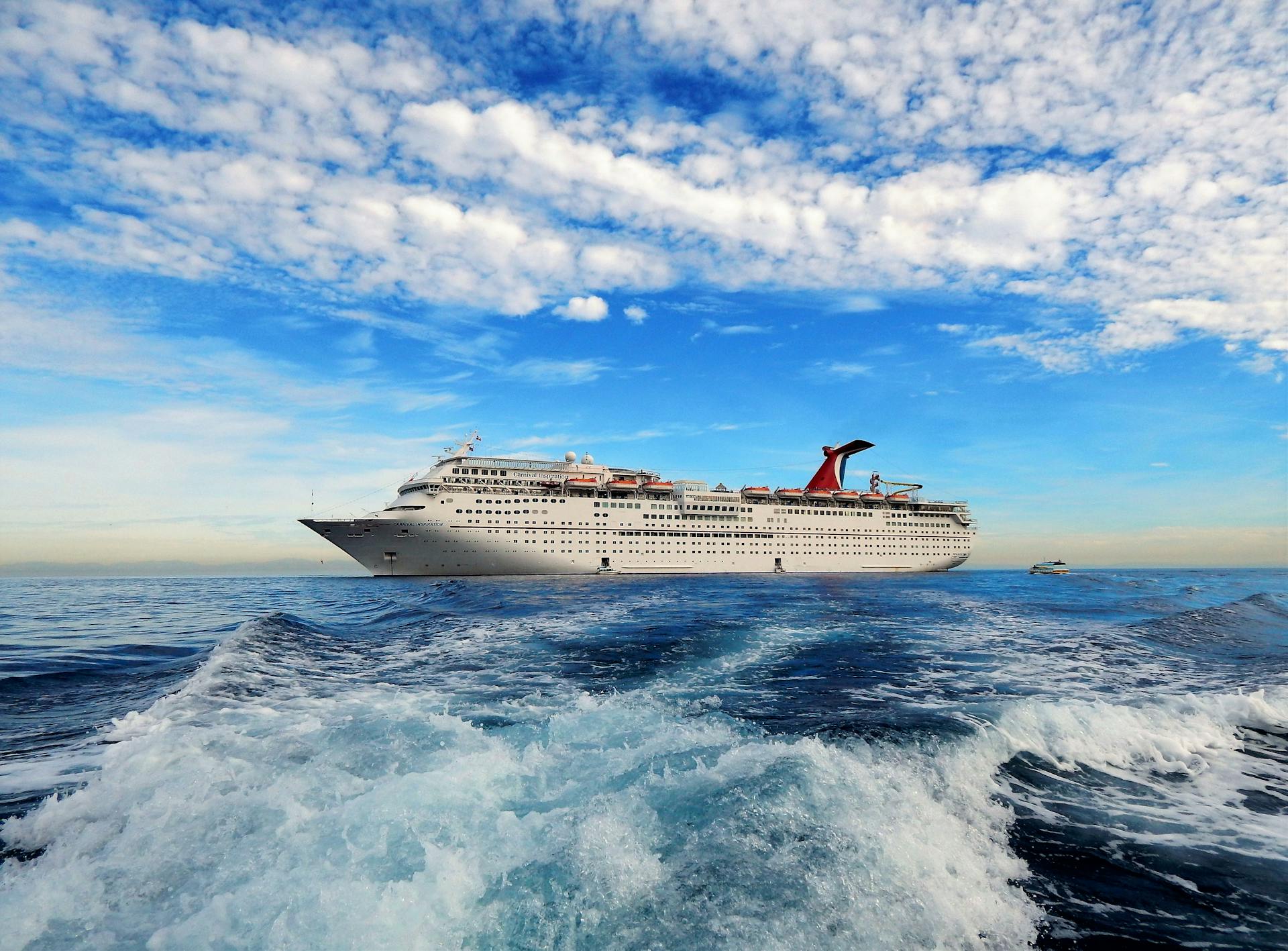
Yet Belize stands out in the Caribbean cruise landscape for a distinctive operational model. Large cruise vessels do not dock directly at a deep-water terminal. Instead, ships anchor offshore and passengers are transferred to land by tender boats before arriving at the tourism facilities of Belize City.
Belize’s cruise tourism continues to grow
The sustained growth of cruise arrivals has positioned the sector as one of the most significant components of the tourism industry in Belize. Cruise tourism generates a substantial share of total visitor flows and supports a wide ecosystem of tourism services including excursions, local transport, cultural attractions and coastal tourism activities.
For a relatively small destination, these passenger volumes represent a major operational challenge. Cruise arrivals bring large numbers of visitors within a limited timeframe, often concentrated around port calls lasting only a few hours. Managing these flows efficiently requires coordination between port authorities, tourism operators and local transport providers.
An offshore cruise port model centred on Belize City
Unlike many Caribbean destinations that have invested in large cruise terminals capable of hosting multiple vessels simultaneously, Belize operates an offshore anchorage model. Cruise ships remain anchored in deeper waters outside the port of Belize City and passengers are transported to shore using smaller tender boats.
These transfers bring visitors to the Fort Street Tourism Village, which functions as the main cruise passenger reception area in the city. From there, cruise guests disperse toward excursions and tourism experiences across the country.
The system reflects both geographic and infrastructural realities. Belize City’s port infrastructure has historically been unable to accommodate the largest cruise ships directly at berth, making offshore anchorage the operational solution adopted by the destination.
Managing high-volume short-stay visitors
Cruise tourism in Belize is characterised by high-volume but short-duration visits. Passengers typically spend only a limited number of hours on shore before returning to their vessels.
During this time, Belize City acts as a gateway to a range of attractions across the country. Excursions commonly include trips to the Belize Barrier Reef, visits to offshore cayes, and tours of archaeological sites linked to ancient Maya civilisation.
This operational model requires efficient coordination of transport logistics, tour operators and visitor services to ensure that large groups of cruise passengers can move quickly between the port area and tourism sites while maintaining a positive visitor experience.
Cruise passengers as a source of tourism revenue
Cruise tourism also contributes to the financing of Belize’s tourism sector through dedicated fiscal mechanisms. Legislation adopted in 2015 introduced charges applied to each manifested cruise ship passenger entering Belize and disembarking at the Fort Street Tourism Village.
These passenger-based levies complement other tourism-related fees, including charges linked to international air arrivals and border exit taxes. Together, they form part of the funding structure used to support tourism policy, environmental management and sector development initiatives.
Balancing cruise growth with destination sustainability
Despite its economic importance, cruise tourism is also associated with strategic challenges. The national tourism strategy highlights the potential risk that cruise activity could contribute to mass tourism pressures in certain areas, potentially affecting visitor experience and local environments.
As a result, Belize’s tourism planning framework emphasises the need to balance different visitor segments. While cruise tourism delivers large volumes of visitors, longer-stay tourism is often associated with higher spending per traveller and deeper engagement with local communities.
Achieving this balance has become an important element of national tourism policy, particularly as destinations across the Caribbean increasingly evaluate the economic and environmental impacts of cruise activity.
A distinctive cruise model in the Caribbean landscape
Belize’s offshore cruise port system illustrates how destinations can accommodate significant cruise traffic even without major deep-water infrastructure. By combining offshore anchorage, tender operations and a centralised reception area in Belize City, the country has developed a functional model capable of handling more than one million cruise passengers annually.
At the same time, evolving tourism strategies suggest that Belize may continue refining this model in the coming years as the destination seeks to balance cruise growth with sustainable tourism development and long-term economic value.