Barbados has long been recognised as one of the Caribbean’s leading cruise destinations. Yet behind the visible recovery of passenger traffic, a quieter but more structural transformation is underway. The latest operational data from Barbados Port Inc. reveals a port that is steadily repositioning itself—not just as a tourism gateway, but as an increasingly important logistics node in the region.
Cruise recovery, but no longer the dominant driver
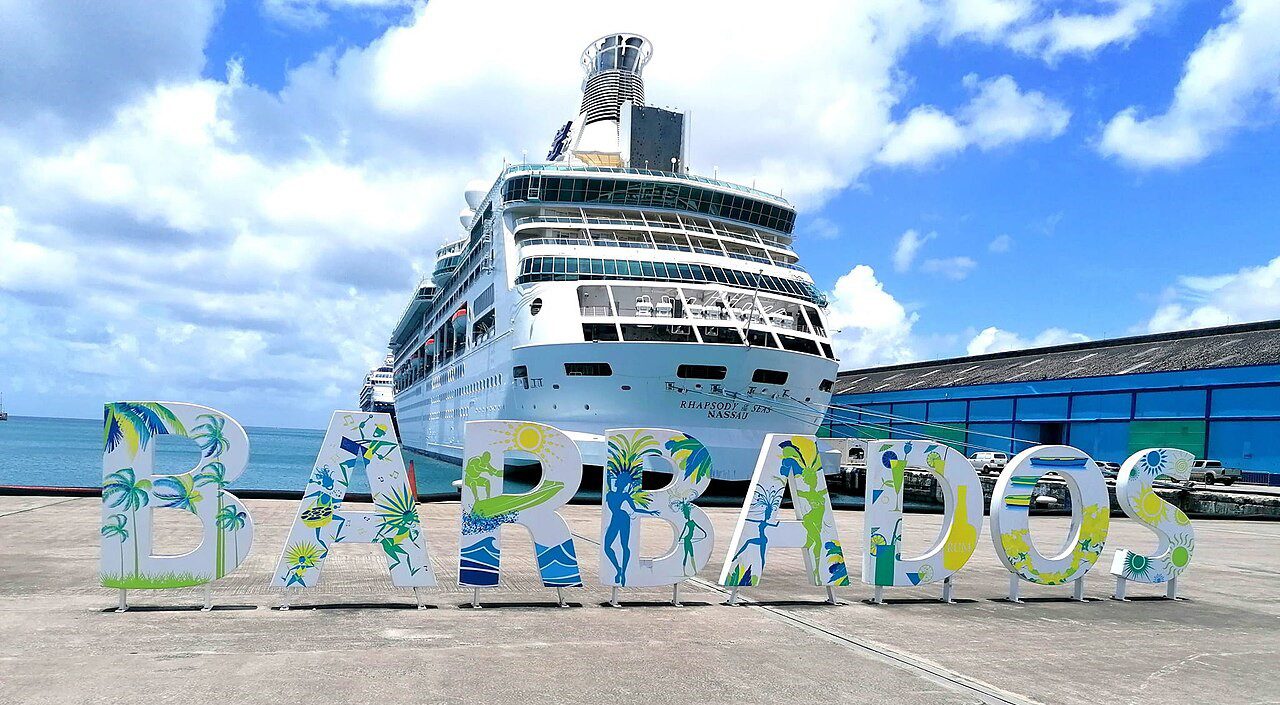
Cruise activity has rebounded strongly since the pandemic shock, with passenger volumes reaching 756,534 in 2025, up significantly from just 99,335 in 2021. However, this recovery remains below the pre-COVID peak of 853,200 passengers recorded in 2019
This stabilisation suggests that while tourism has returned, it is no longer the sole engine of port activity. The cruise segment appears to have entered a more mature phase, characterised by recovery without strong expansion.
Cargo growth reshaping the port’s activity profile
In contrast, cargo volumes have followed a clear upward trajectory over the past decade. Total imports reached 1,260,304 tonnes in 2025, compared to 964,524 tonnes in 2016—a growth of nearly 30%
Containerised cargo remains the dominant component, accounting for more than one million tonnes in 2025 alone. This sustained increase highlights the structural role of the port as a critical supply gateway for the island economy.
At the same time, total tonnage handled climbed to a record 1.7 million tonnes in 2025, confirming that cargo—not cruise—is now driving overall port performance.
Transshipment emerges as a strategic lever
One of the most significant shifts lies in the rapid expansion of transshipment activity. Volumes have surged from 108,088 tonnes in 2020 to 291,303 tonnes in 2025
This near tripling in five years points to a deeper repositioning of Barbados within Caribbean maritime networks. Rather than functioning solely as a destination port, Barbados is increasingly acting as an intermediary node, facilitating the redistribution of cargo across regional routes.
This trend is further reinforced by container traffic, which reached a record 125,861 TEUs in 2025, reflecting stronger integration into regional supply chains.
A dual model: tourism and logistics coexisting
The data suggests that Barbados Port is evolving towards a hybrid model. On one side, cruise activity continues to generate significant passenger flows, particularly during peak winter months. On the other, cargo operations provide year-round stability, supported by consistent import demand and growing transshipment volumes.
Monthly data for 2025 illustrates this contrast clearly. Cruise traffic remains highly seasonal, concentrated in the first quarter of the year, while cargo flows maintain a steady rhythm throughout all months
This dual structure enhances the port’s resilience, reducing its exposure to tourism cycles and external shocks.
A reflection of island economic dynamics
Beyond port operations, the composition of cargo flows offers insight into Barbados’ broader economic structure. Bulk cargo is dominated by petroleum products (564,957 tonnes in 2025), alongside significant volumes of sand, grain and molasses
These flows underline the port’s central role in supporting energy supply, construction activity and food security—key pillars for any island economy.
At the same time, the persistent imbalance between imports and exports highlights the structural dependency typical of small island states, where inbound logistics far outweigh outbound trade.
Towards a stronger regional logistics positio
Taken together, these trends point to a gradual but clear transformation. Barbados Port is no longer defined solely by its cruise activity. Instead, it is strengthening its position as a regional logistics platform, capable of handling increasing cargo volumes while integrating more deeply into Caribbean shipping networks.
This evolution does not replace tourism—it complements it. But it signals a shift in strategic balance, with logistics emerging as a core pillar of the port’s long-term development.
A quiet but decisive transition
The transformation of Barbados Port is not marked by a single major infrastructure project or headline announcement. It is visible in the data—in rising cargo volumes, expanding transshipment activity and record container throughput.
In a region where many ports remain heavily dependent on cruise tourism, Barbados is gradually building a more diversified and resilient model. One where logistics, not just passengers, defines its future trajectory.