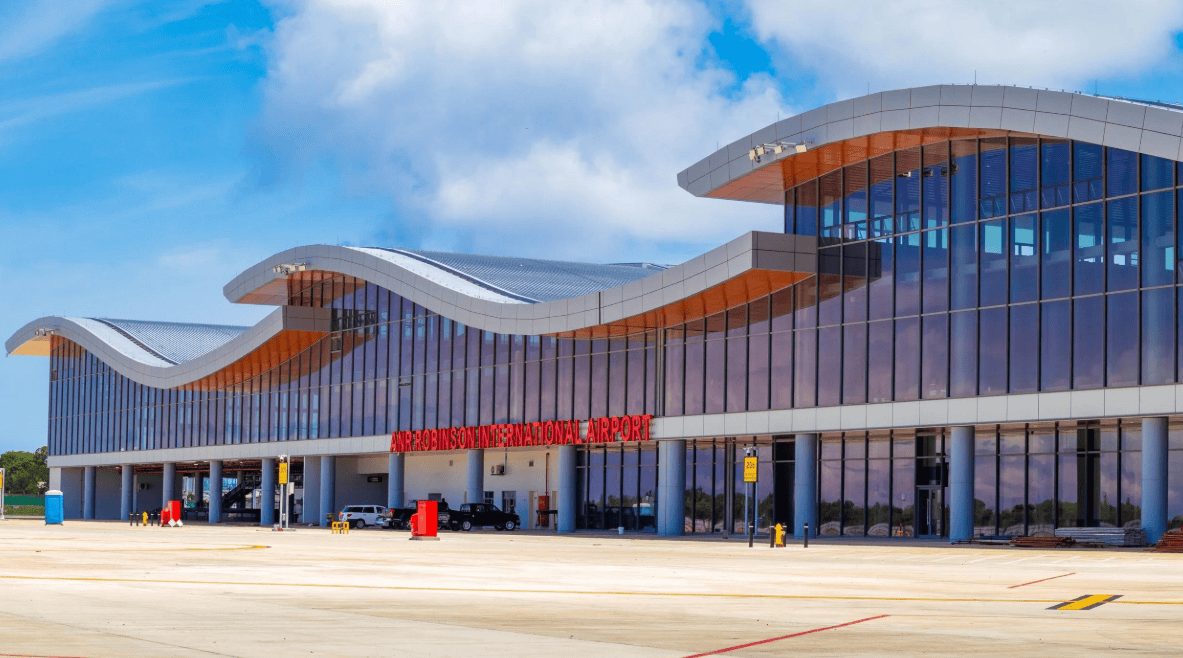

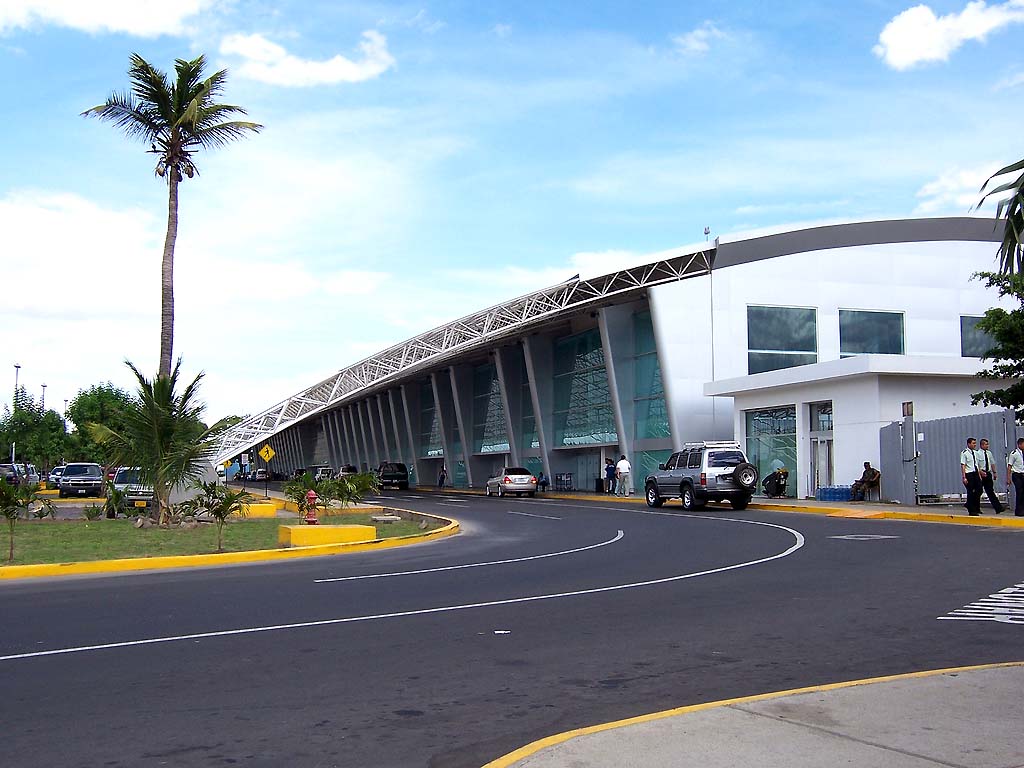
Nicaragua is entering a new phase of cruise industry transformation and air connectivity strategy, with a $55.3 million expansion of Managua’s Augusto C Sandino International Airport designed to enable long-haul operations.
The runway extension from 2,442 to 3,300 meters will upgrade the airport from category 4D to 4E, allowing wide-body aircraft and supporting ambitions to connect Nicaragua directly to Europe and Asia. Beyond capacity, the project reflects a broader strategic shift—positioning aviation infrastructure as both an economic lever and a geopolitical tool.
From regional connectivity to intercontinental ambition
For years, Managua airport has operated primarily as a regional node, connecting Nicaragua to the United States, Central America and selected international destinations. That model is now evolving.
The ongoing project aims to extend the airport’s runway from 2,442 meters to 3,300 meters, enabling a transition from category 4D to 4E. This upgrade is not incremental—it fundamentally changes the type of aircraft the airport can accommodate.
Wide-body aircraft such as the Airbus A350, Airbus A330 and Boeing 787 will be able to operate from Managua, opening the door to long-haul routes. As Elí Roque, head of the national airport authority, explains, the objective is clear: enable connections “across the ocean,” linking Nicaragua directly to Europe and Asia.
This shift marks a transition from regional accessibility to global connectivity.
Infrastructure as a tool for repositioning
The scale of the investment reflects this ambition. With a budget of 55.3 million dollars for the runway expansion alone—complemented by additional investments in resurfacing, taxiways and operational systems—the project is designed to upgrade not only capacity, but also the airport’s international standing.
Beyond the runway, parallel taxiways will be extended, distances between operational elements increased, and new aeronautical infrastructure deployed. These upgrades collectively aim to improve efficiency, safety and throughput.
At the same time, Nicaragua is developing a broader airport network. Projects in Bluefields and Corn Island are modernizing regional connectivity, while the future Punta Huete airport—planned as a category 4F facility—signals an even larger ambition: creating a multi-airport system capable of supporting long-haul operations and regional distribution.
This is no longer a single-airport upgrade. It is the outline of a national aviation strategy.
Air connectivity as a geopolitical lever
The project also carries a clear geopolitical dimension.
The runway expansion is being executed by China State Construction Engineering Corporation (CSCEC), one of the world’s largest state-owned construction firms. More broadly, the project is embedded in a framework of bilateral cooperation between Nicaragua and China, explicitly linked to the Belt and Road Initiative.
Government officials have framed infrastructure development as a pillar of this partnership, positioning Nicaragua as a potential regional platform for Chinese companies and investments. In this context, the airport is not just a transport asset—it becomes a strategic interface between national development goals and international influence.
Air connectivity, in this sense, is no longer neutral. It reflects and reinforces geopolitical alignments.
Competing in a changing regional landscape
This repositioning inevitably raises questions about regional competition.
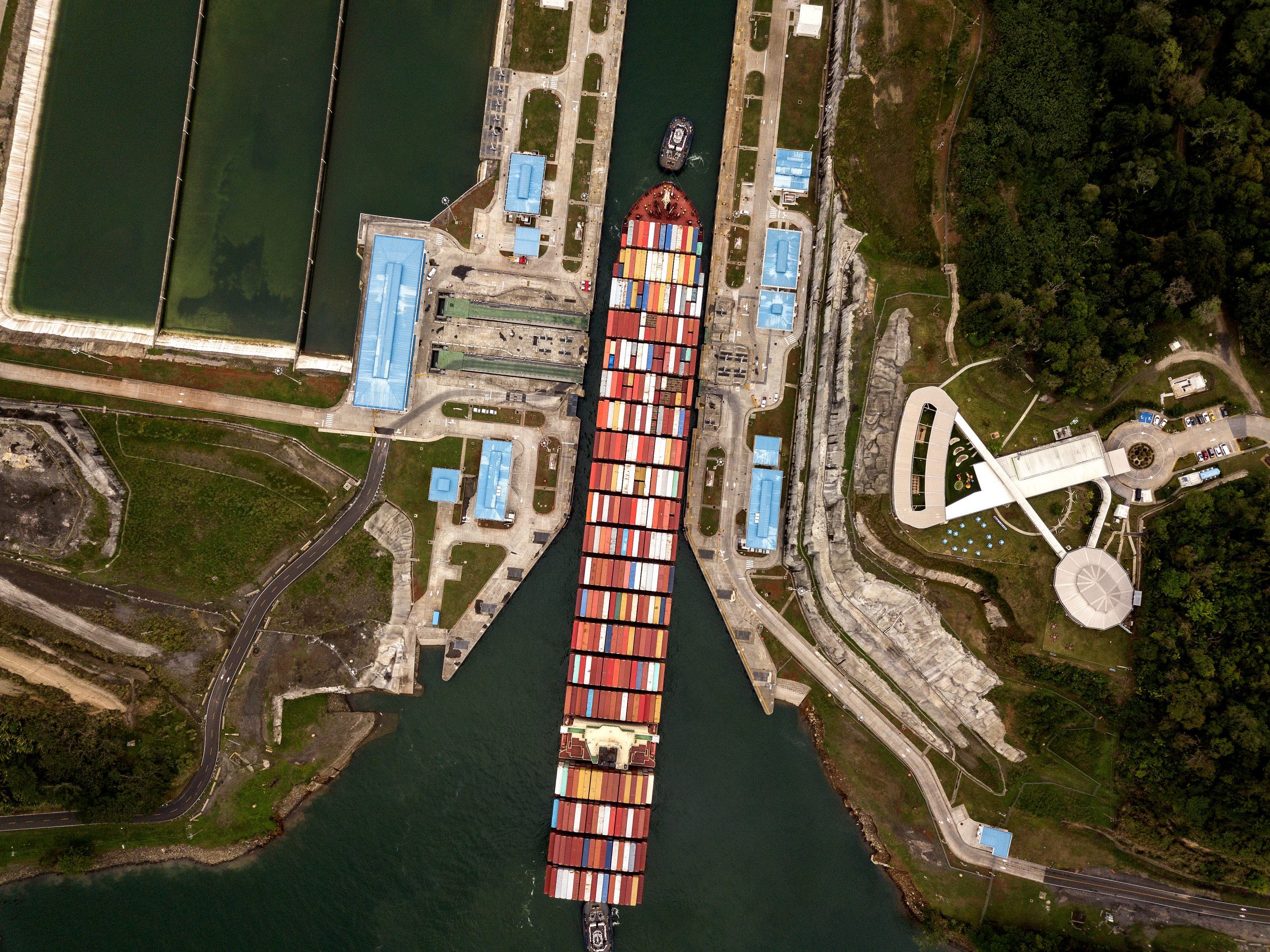
Central America already hosts established aviation hubs, notably Panama and El Salvador, which benefit from strong connectivity, airline presence and infrastructure maturity. Managua’s expansion does not immediately place it on the same level—but it signals an intent to enter that competitive space.
The ability to attract long-haul routes, sustain passenger demand and integrate into global airline networks will determine whether this ambition materializes. Current traffic figures—around 1.1 million international passengers, with projected growth of 4 to 5 percent—indicate recovery and momentum, but also highlight the scale of the challenge ahead.
Infrastructure alone does not create a hub. It creates the conditions for one.
Building capacity—and resilience
Alongside capacity expansion, the project incorporates elements of operational modernization and sustainability. A photovoltaic system with an installed capacity of 965 kW has already been deployed, reducing energy consumption by up to 25 percent and covering a significant share of daytime demand.
Additional investments in ground handling equipment, digital systems and airport services aim to improve operational efficiency and passenger experience.
These elements, while less visible than runway extensions, are critical. As airports compete not only on connectivity but also on performance and cost efficiency, such investments become part of the broader competitiveness equation.
A strategic shift in motion
The expansion of Managua’s airport illustrates a broader trend across emerging markets: aviation infrastructure is increasingly used as a tool for economic positioning and geopolitical strategy.
For Nicaragua, the stakes are clear. Enhancing connectivity can unlock tourism, trade and investment flows, while strengthening its integration into global networks. At the same time, partnerships with major international actors reshape the country’s role within regional dynamics.
The runway extension, therefore, is more than a technical upgrade. It is a signal.
A signal that Managua is looking beyond its traditional role—and that in today’s aviation landscape, infrastructure is not just about moving passengers. It is about defining place, influence and ambition.