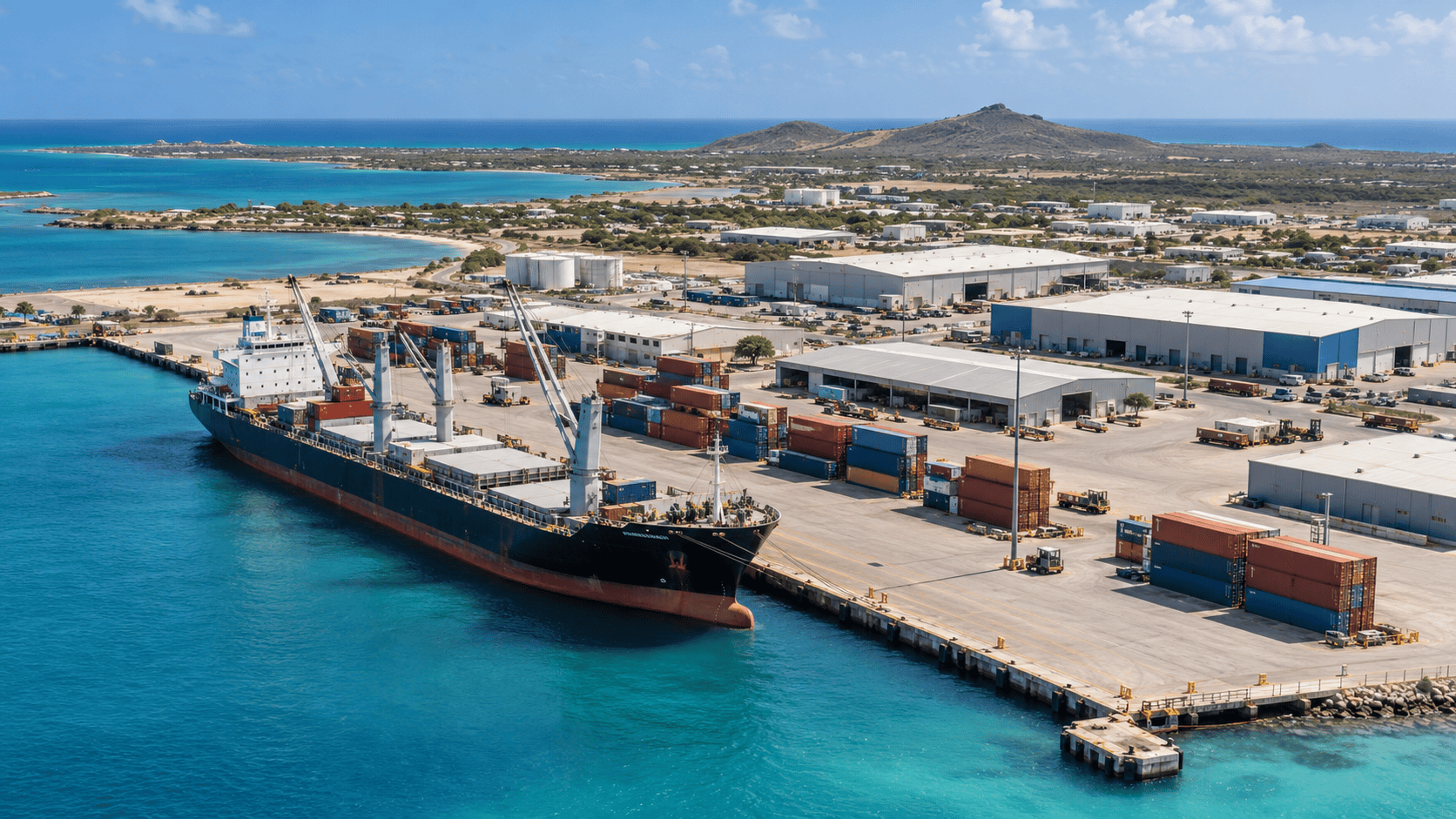
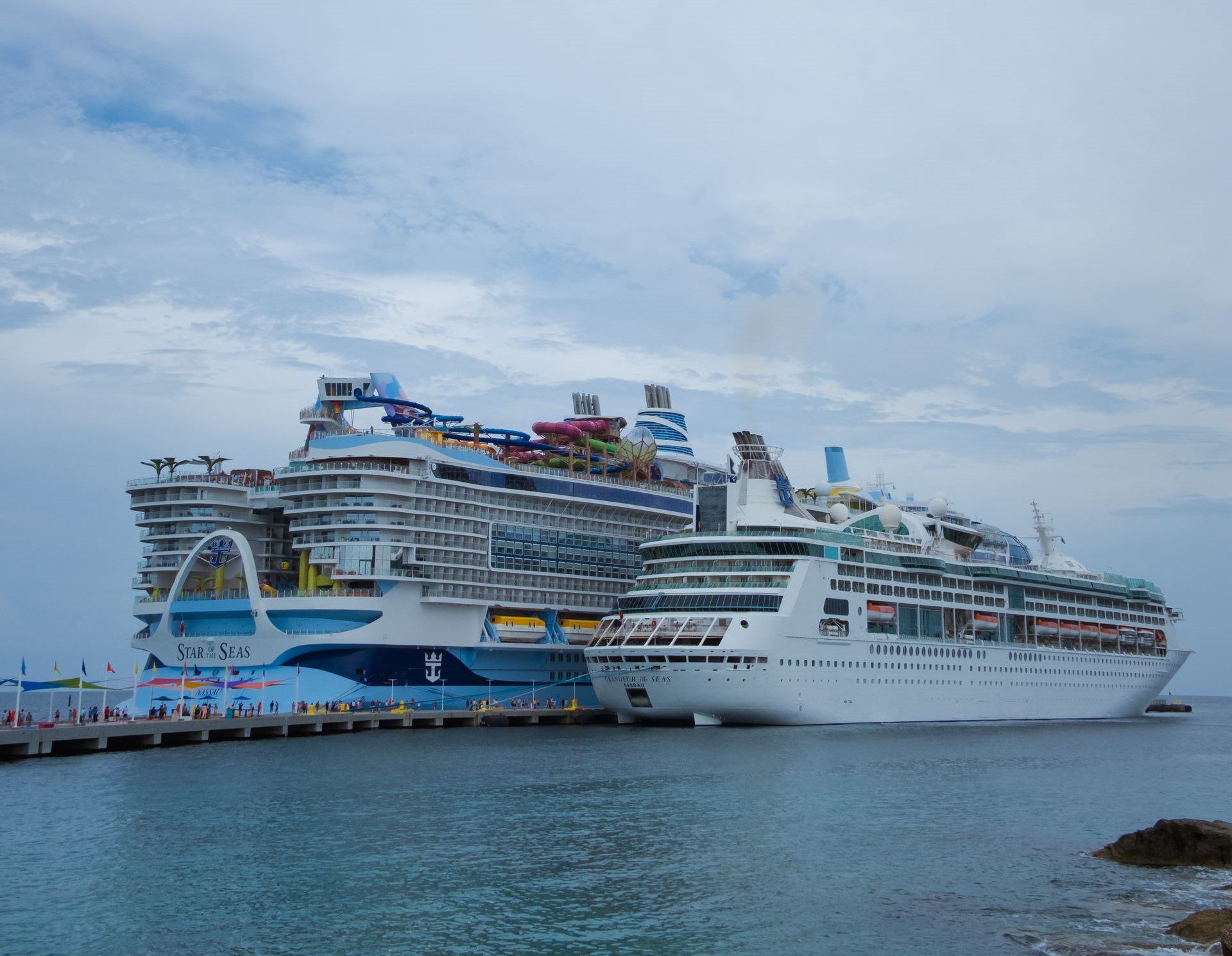
Across the Caribbean, destinations continue investing in port infrastructure, terminal upgrades and visitor facilities to accommodate growing cruise traffic. Yet as cruise ships become increasingly sophisticated and passenger expectations continue to evolve, a different question is emerging: what truly differentiates one destination from another?
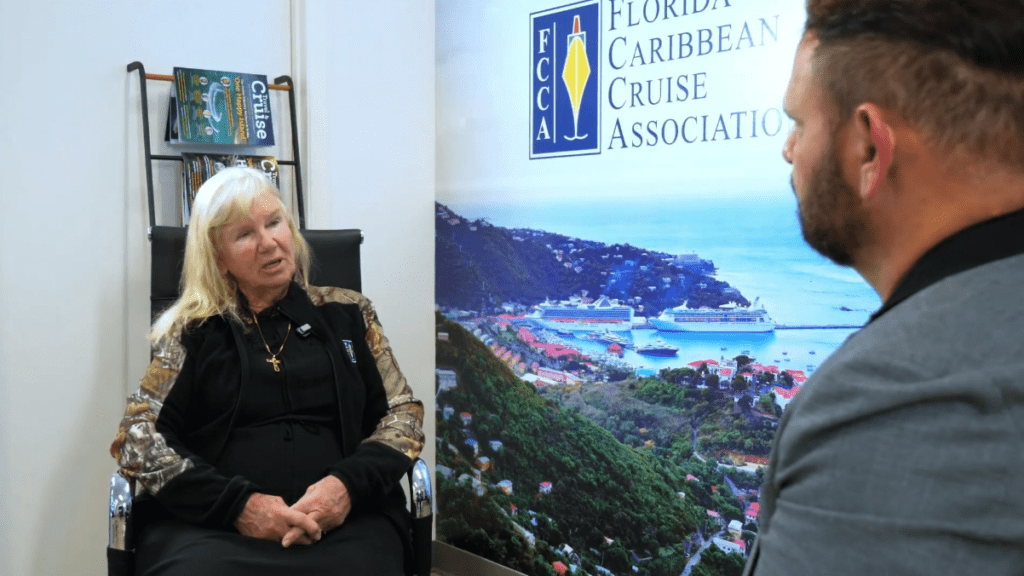
According to Michele Paige, CEO of the Florida-Caribbean Cruise Association (FCCA), the answer may lie less in physical infrastructure and more in something that cannot be replicated elsewhere—the people, culture and authentic experiences that define each destination.
During the latest FCCA Leadership Series, she offered a simple observation that may increasingly shape how destinations compete in the cruise market: “Every single passenger wants to have an authentic experience. They want to learn about the color, culture and history of the destination.”
Her remarks highlight a broader challenge facing Caribbean destinations as they seek to attract passenger spending, encourage repeat visitation and strengthen their position in an increasingly competitive cruise industry.
Cruise passengers are looking for experiences, not just attractions
The cruise product has evolved significantly over the past decades. Modern ships now offer a level of entertainment, dining and onboard amenities that would have been unimaginable a generation ago.
This evolution has raised the bar for destinations. Cruise passengers no longer disembark simply looking for a beach, a souvenir shop or a short sightseeing tour. Increasingly, they seek memorable experiences that feel unique and rooted in the places they visit.
For Paige, the key lies in highlighting what already exists within destinations rather than attempting to imitate attractions found elsewhere. Authenticity, local character and human connections are becoming central elements of the visitor experience.
“The people are the lifeblood of every destination,” she explained while discussing how destinations can strengthen their appeal to cruise visitors.
In an industry where many destinations offer similar natural assets, local culture may be emerging as one of the most powerful forms of differentiation.
Authentic experiences can drive greater economic value
The discussion is not solely about visitor satisfaction. It is also about economic performance.
Throughout the conversation, Paige repeatedly linked passenger spending to the quality of experiences available ashore. Destinations that successfully engage visitors are more likely to generate spending across a wide range of local businesses and services.
As she succinctly put it: “Happy cruise passengers spend money.”
That spending extends well beyond cruise terminals. Taxi drivers, tour operators, restaurants, retailers, artisans and cultural attractions all benefit when passengers choose to spend more time exploring a destination. Paige also argued that the full economic impact of cruise tourism is often underestimated because much of that spending is dispersed throughout local communities rather than concentrated in a single sector.
This perspective suggests that investments in authentic visitor experiences may generate returns that go far beyond tourism statistics, helping distribute economic benefits across local economies.
The Caribbean’s competitive advantage cannot be replicated
Port infrastructure remains essential. Modern terminals, efficient passenger flows and reliable transportation systems all contribute to the overall cruise experience.
Yet infrastructure alone rarely creates a lasting competitive edge.
A terminal can be expanded. A pier can be modernized. Retail concepts can be copied from one destination to another. What cannot be replicated is a destination’s cultural identity.
This may be one of the Caribbean’s greatest strengths. Every island possesses its own history, traditions, cuisine, music and stories. These are assets that competitors cannot simply build or import.
Paige believes this uniqueness is precisely what cruise passengers are searching for. “They want to have that experience that they can’t get anyplace else,” she said.
For destinations competing for passenger attention and spending, that uniqueness may become increasingly valuable.
Beyond infrastructure, the challenge is experience design
The implication is not that infrastructure investments should take a back seat. Rather, destinations may need to think beyond infrastructure alone.
The most successful cruise destinations of the future will likely combine operational efficiency with compelling experiences that encourage visitors to engage more deeply with local communities.
This could involve greater emphasis on cultural storytelling, heritage attractions, local gastronomy, community-based tourism and experiences that showcase the distinct identity of each destination.
As cruise tourism continues to grow across the Caribbean, the challenge is becoming less about accommodating passengers and more about creating reasons for them to connect with a destination.
A strategic asset for the next phase of cruise growth
The latest FCCA Leadership Series conversation offers a reminder that competitiveness in cruise tourism is not determined solely by infrastructure, capacity or passenger volumes.
As destinations continue investing in ports and tourism facilities, authenticity may emerge as an equally important strategic asset.
In an industry where ships increasingly deliver standardized levels of comfort, entertainment and service, the experiences passengers remember most may ultimately be those that can only be found ashore—through local culture, local stories and the people who bring them to life.