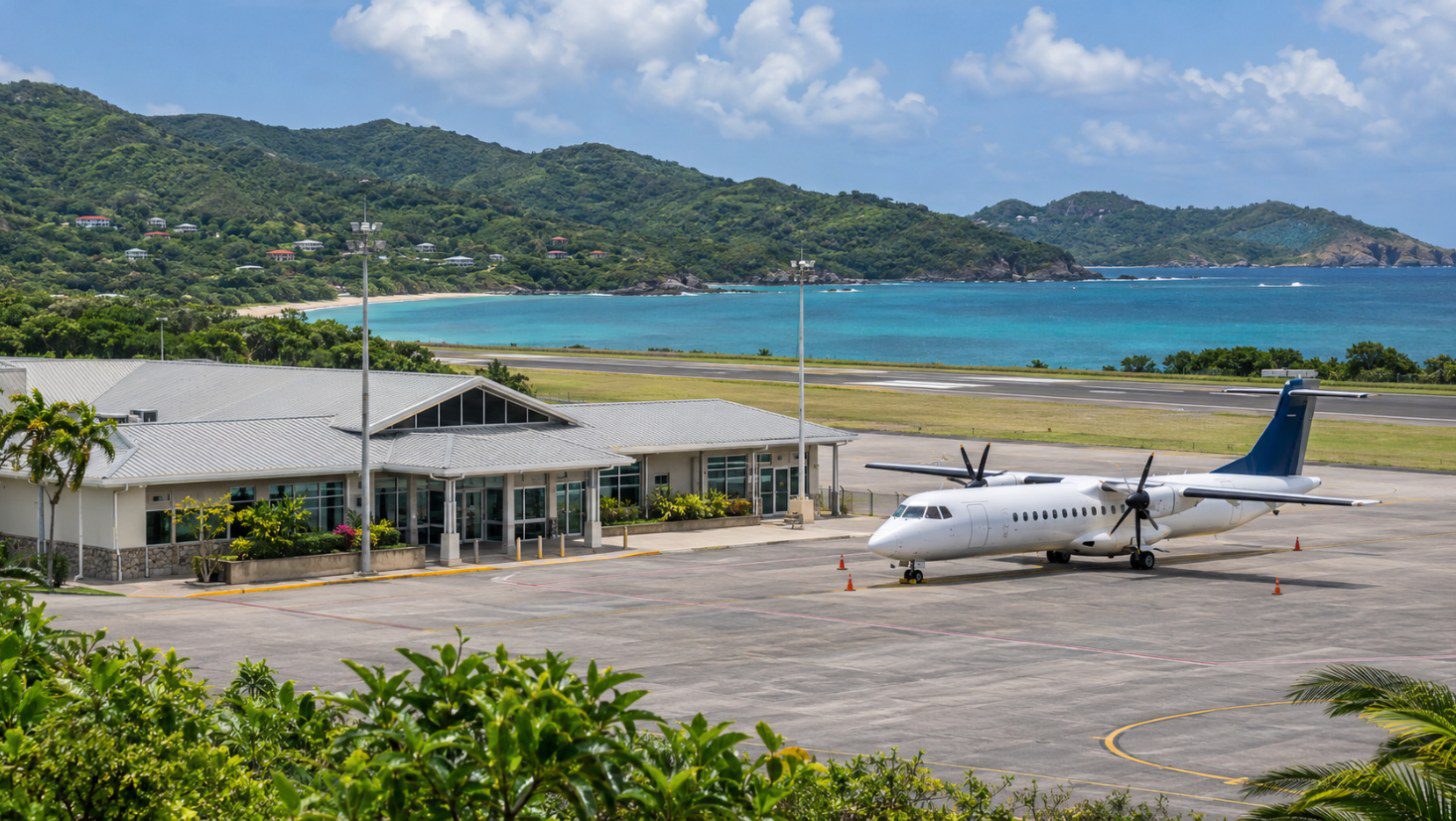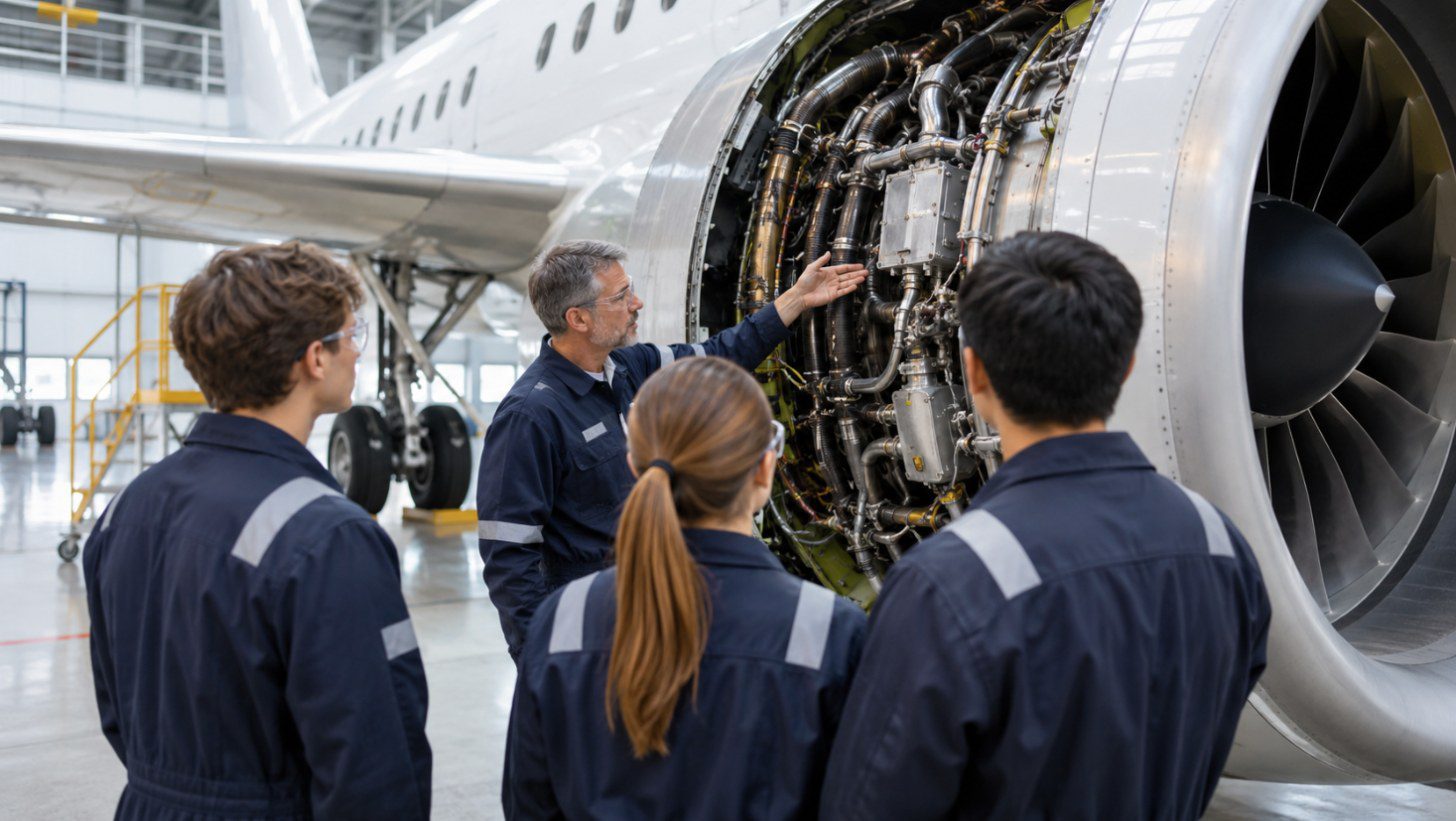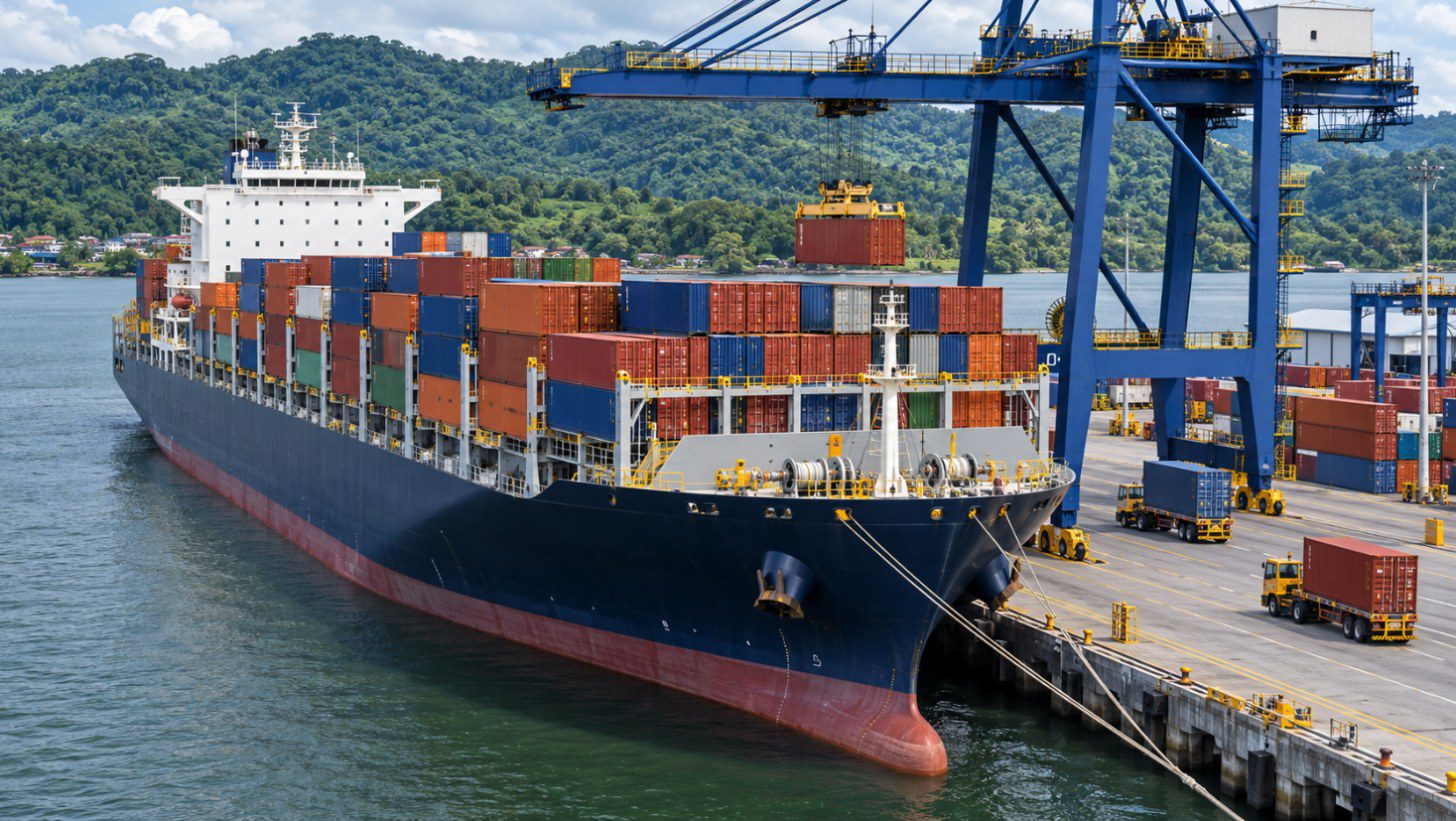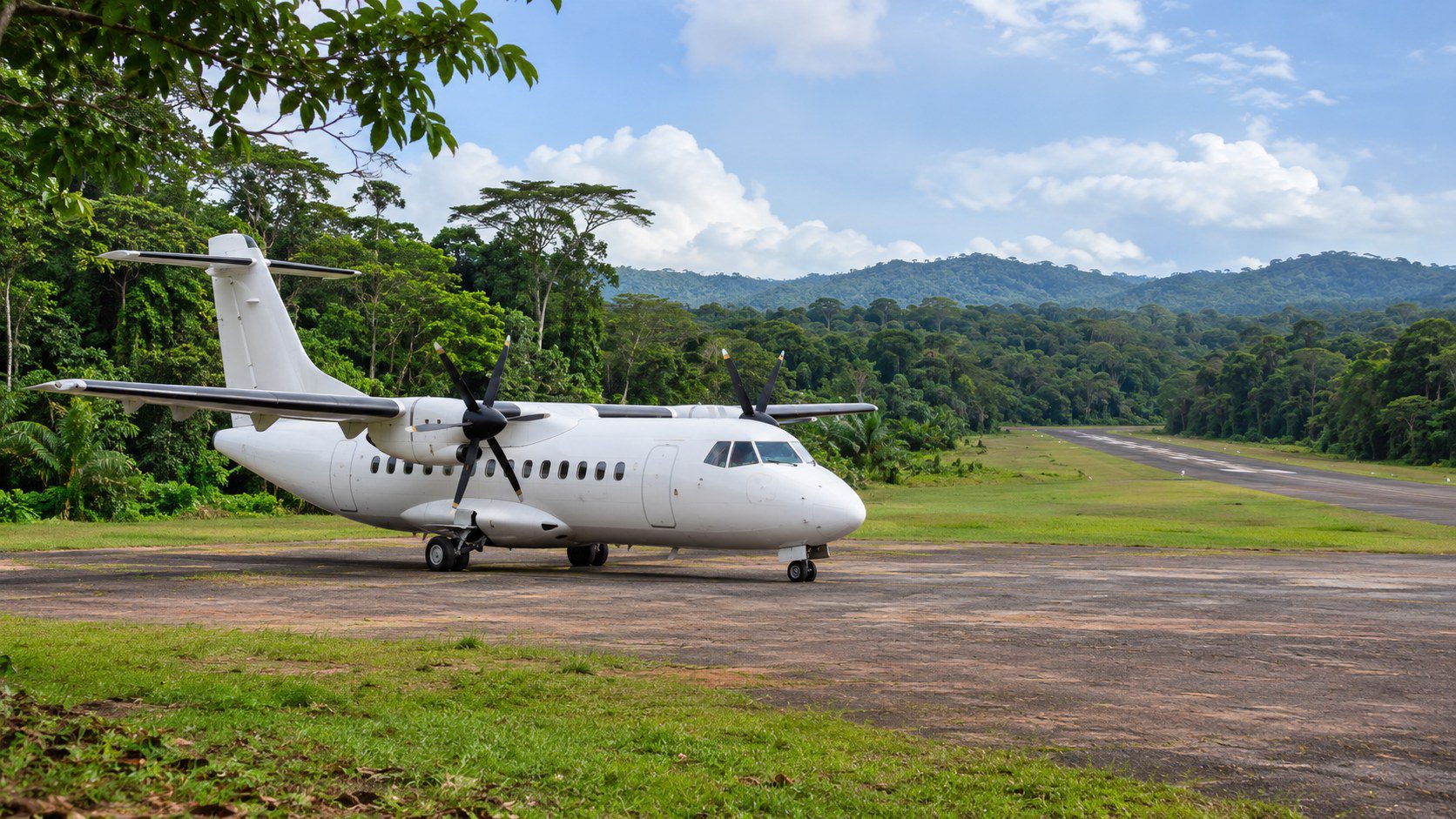
At Martinique Aimé Césaire Airport, resilience is directly embedded in investment decisions. Operational continuity, energy supply, digital systems, environmental transition and financial sustainability are now assessed within a shared framework for long-term performance.
For Société Aéroport Martinique Aimé Césaire (SAMAC), resilience encompasses several very practical dimensions: exposure to cyclones and severe weather events, energy supply, logistical dependence associated with the island setting, digital systems and cybersecurity.
This understanding directly informs investment decisions: equipment robustness and redundancy, protection of infrastructure and systems, the ability to operate under degraded conditions, energy consumption management and diversification of energy sources.
“Investing in resilience means investing in the continuity and quality of the service provided to the territory.”
Resilience is therefore becoming a criterion for assessing airport investments, alongside their contribution to safety, operational performance and financial sustainability.
OPERATIONAL CONTINUITY SHAPES INVESTMENT PRIORITIES
SAMAC sets out a clear framework for prioritising its projects.
Each investment is assessed against several criteria: safety and business continuity, improvements to the passenger experience, environmental impact, contribution to connectivity development and financial sustainability.
Resilience adds a decisive question to this assessment: how does the investment strengthen the airport’s ability to keep operating when conditions deteriorate?
This is where equipment robustness, redundancy, system protection and the ability to operate under degraded conditions become particularly relevant.
“Each investment must therefore be assessed not only in terms of its immediate performance, but also its contribution to the airport’s overall resilience.”
This approach brings the issue into the earliest stages of planning: operational continuity is no longer considered solely when responding to a disruption; it is incorporated into the design and prioritisation of investments.
For an island airport, this is particularly significant. Energy, logistical and digital dependencies are directly linked to the airport’s ability to maintain operations and keep the territory connected.
ENERGY: ADVANCING THE TRANSITION AND MANAGING DEPENDENCIES
SAMAC’s energy strategy provides the most concrete example of this approach.
The operator focuses on four areas: reducing consumption, improving the energy efficiency of buildings and equipment, developing renewable energy and decarbonising ground operations.
Two complementary photovoltaic projects are under development. The first will supply electricity for the airport’s own consumption; the second will generate electricity to feed into the grid.
SAMAC is also pursuing the decarbonisation of ground operations through the deployment of PCA — Pre-Conditioned Air — systems, which supply pre-conditioned air to aircraft parked at contact stands, reducing the need to use their auxiliary power units.
Martinique Aimé Césaire Airport has also achieved Level 3 of Airport Carbon Accreditation.
The particular value of this strategy lies in how energy investments are assessed.
SAMAC considers more than their potential to reduce emissions. It also takes into account the savings they generate, the reduction in energy dependence and their contribution to airport resilience.
A single investment can therefore deliver several benefits: improve environmental performance, reduce certain operating costs and strengthen the airport’s ability to manage its dependencies.
This approach extends beyond SAMAC’s direct scope of operations. Part of the airport’s footprint depends on airlines, ground handlers, service providers and ground transport.
SAMAC therefore works on two complementary fronts: directly reducing the footprint of its own operations and creating the conditions that enable its partners to reduce theirs.
The energy transition thus becomes part of the airport’s performance, achieved through collaboration across the airport ecosystem.
TECHNOLOGY AS A CROSS-CUTTING ENABLER
Technological modernisation follows the same logic.
In its investment decisions, SAMAC identifies technology as a means of serving several objectives simultaneously: streamlining the passenger journey, improving infrastructure management, optimising consumption and strengthening operational continuity.
PARAFE is one example: by automating border checks, the system helps streamline the passenger journey and handle passenger flows more efficiently. At the same time, the growing digitalisation of processes increases the importance of cybersecurity and the continuity of information systems, which SAMAC identifies as vulnerabilities to address within its approach to airport resilience.
The value of a technology is therefore measured less by how innovative it is than by its ability to deliver a tangible operational benefit and, ideally, address several challenges at once.
This cross-cutting role allows technology to contribute simultaneously to smoother passenger flows, operational efficiency, energy management and continuity.
INVESTING WHERE THE IMPACT MATTERS MOST
SAMAC’s approach arguably delivers the greatest value through its method of weighing investment priorities.
Connectivity, technological modernisation, energy transition, resilience and cost control all draw on the same investment capacity. The response is therefore to prioritise and sequence projects according to their overall impact.
An energy project can reduce consumption while limiting certain dependencies. A technology can improve the passenger experience while strengthening operational management. More robust equipment can contribute to both safety and business continuity.
The ability to bring several objectives together becomes a decision-making criterion in its own right.
“Our guiding principle is therefore clear: invest at the right pace, where the impact is most significant, while preserving SAMAC’s financial balance.”
The next steps also involve closer cooperation with airlines, airport stakeholders, local authorities, government services, and energy and technology partners.
SAMAC’s approach thus moves resilience beyond an issue primarily associated with risk, turning it into a decision-making method: anticipating vulnerabilities, preserving continuity, managing dependencies and prioritising investments capable of delivering several benefits at once.
For Martinique Aimé Césaire Airport, resilience and sustainability therefore converge around a shared principle: investing today to strengthen tomorrow’s performance, robustness and continuity together.