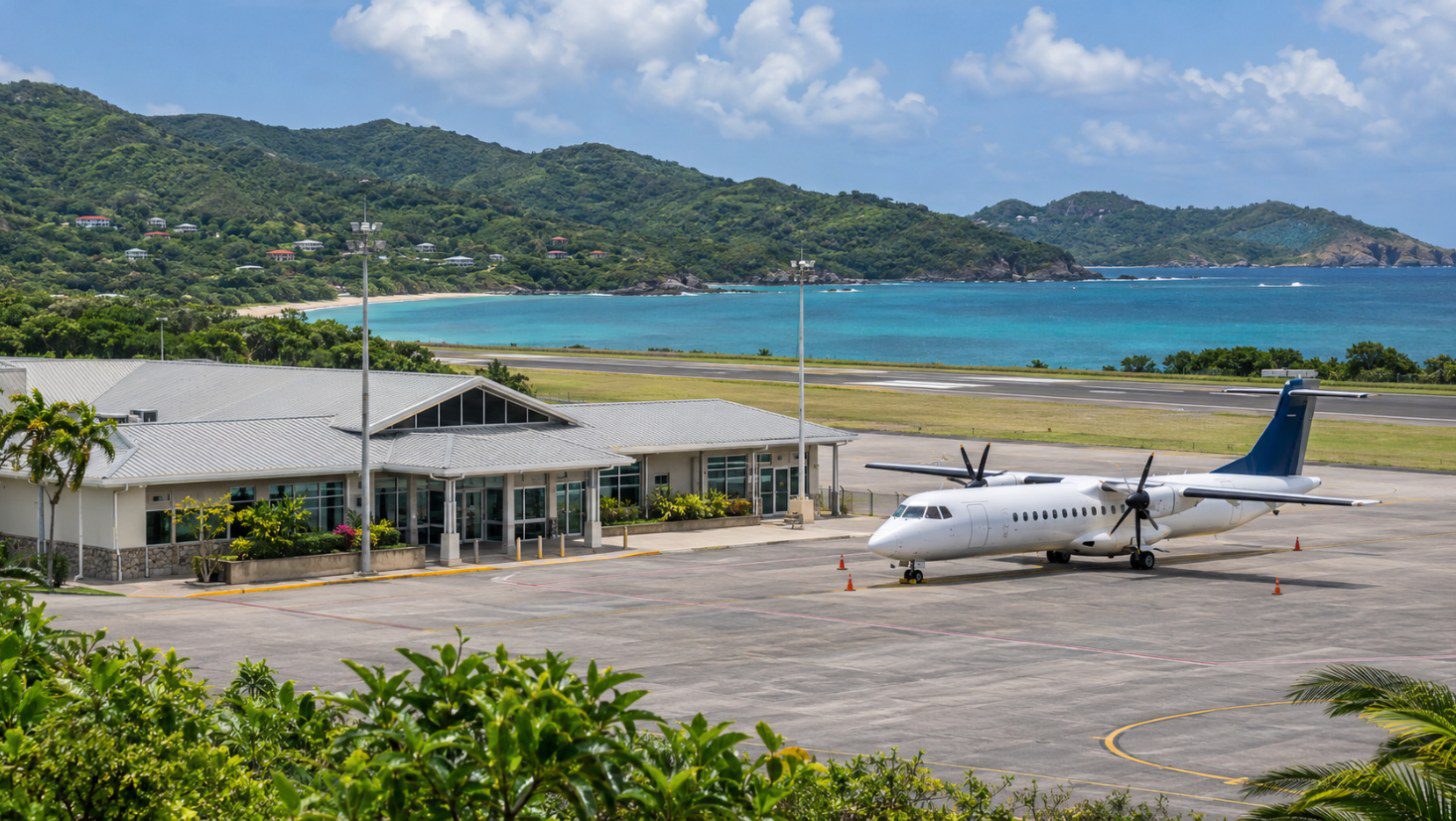

Latin America Cargo City (LACC) is preparing to inaugurate MOVA, a new logistics facility at Uruguay’s Carrasco International Airport, in mid-November 2026. Designed to support e-commerce and regional distribution, the development combines additional warehouse infrastructure with multimodal operations and the country’s Free Airport regime, as Uruguay seeks to strengthen its role in South American supply chains.
LACC MOVA Adds a New Logistics Facility at Carrasco Airport
Latin America Cargo City is approaching the opening of MOVA, a logistics terminal developed at the former passenger terminal site of Carrasco International Airport, near Montevideo. The facility forms part of LACC’s infrastructure expansion program and is intended to accommodate growing demand for e-commerce processing, cargo distribution and related logistics services.
The inauguration is scheduled for November 13, 2026, according to an announcement published by Aviación News on November 9. The event is expected to bring together Uruguayan authorities and representatives of Corporación América Airports, the airport operating group behind LACC. As of November 12, the ceremony has not yet taken place.
Construction of the new terminal was announced earlier in 2026, with an investment exceeding US$10 million. The project comprises approximately 10,000 square metres of built space distributed across multiple levels, according to the official Carrasco Airport project description.
That figure represents the building’s overall constructed area rather than its exclusively operational warehouse space. LACC’s current infrastructure presentation separately identifies 5,000 square metres associated with the new logistics terminal, making it important to distinguish the different measurements.
The facility is designed to provide additional loading and unloading areas, updated technology and more flexible spaces for logistics activities. Its development also expands LACC’s capacity to accommodate companies requiring distribution infrastructure within the airport’s logistics environment.
For Carrasco, the project represents an extension of the airport’s commercial and cargo-related activities beyond aircraft handling. LACC already provides specialized logistics services, including customs warehousing, pharmaceutical logistics and regional distribution. MOVA is intended to strengthen this existing platform rather than establish an entirely new cargo operation.
E-Commerce Distribution Shapes the Terminal’s Operating Model
E-commerce is one of the principal activities behind the development of LACC MOVA. The new facility is designed to support businesses that need to receive merchandise, maintain inventories, prepare orders and organize distribution to customers or commercial partners across different markets.
These operations involve more than providing warehouse space. A regional distribution hub may receive merchandise in bulk, separate it into smaller consignments, prepare orders for individual markets and consolidate shipments for onward transportation. The arrangement allows companies to coordinate inventory management and delivery preparation from a central location.
Latin America Cargo City already offers logistics solutions for e-commerce, technology products, spare parts, consumer goods and industrial merchandise. Its wider service portfolio includes storage, cargo consolidation, conditioning and fulfillment, alongside facilities for companies seeking to establish distribution activities in Uruguay.
MOVA is intended to provide additional infrastructure for these operations, although the developer has not published a complete breakdown of the services that will be available inside the new building from its opening date.
The distinction matters because fulfillment and general warehousing serve different operational purposes. Storage facilities primarily hold merchandise until it is required, while fulfillment operations involve processing orders, preparing individual shipments and coordinating their movement toward the final delivery network.
For companies selling across multiple South American markets, combining these activities within a regional logistics platform could provide an alternative to maintaining separate inventories in each destination. The commercial value of such an arrangement depends on shipment volumes, customs requirements, available transport services and the characteristics of the products involved.
The new terminal has also been presented as incorporating technologies intended to support logistics processes. However, LACC has not released a verified annual parcel-handling capacity, throughput forecast or measured reduction in processing times specifically attributable to MOVA.
Its contribution to e-commerce distribution will therefore need to be assessed through actual operations after the facility becomes available, rather than solely through its constructed area or technological specifications.
Free Airport Rules Support Multimodal Cargo Redistribution
A defining feature of Latin America Cargo City’s logistics model is its operation under Uruguay’s Aeropuerto Libre, or Free Airport, regime. The framework allows eligible merchandise to enter, remain and undergo authorized logistics activities within the airport’s customs-controlled environment without immediately entering the domestic market.
The Free Airport regime enables companies to organize international distribution activities while retaining flexibility over the final destination of their goods. Depending on the applicable customs conditions, merchandise may be stored, consolidated, divided, labelled, conditioned or prepared for onward shipment before being assigned to another market.
For international e-commerce businesses, this framework is relevant to inventory management. Products can be positioned at a regional distribution point while decisions concerning their eventual destination and shipment arrangements are made in accordance with the applicable rules.
Uruguay’s legislation provides the legal basis for the Free Airport framework, which extends certain features of the country’s Free Port system to Carrasco. The arrangement offers specific customs and tax treatment for qualifying activities, but it should not be interpreted as an unrestricted exemption from all duties or taxes.
The other component is multimodal connectivity. LACC operates at Carrasco International Airport while maintaining access to the regional road network and proximity to the Port of Montevideo. According to the company, its logistics model allows goods to arrive by air, sea or land, undergo authorized handling operations and continue toward their destination using an appropriate transport mode.
This combination distinguishes MOVA from a conventional air cargo warehouse. Its intended role extends beyond shipments carried on passenger or freighter aircraft to include the organization of distribution flows that may involve different transport networks.
The arrangement also reflects Uruguay‘s geographical position between Argentina and Brazil. Both countries represent potential markets for regional distribution activities organized through Carrasco, although the availability of the Free Airport regime does not remove destination-country import requirements or guarantee specific delivery times.
Uruguay’s Regional Logistics Ambitions Depend on Operational Uptake
With MOVA, Latin America Cargo City is expanding a logistics platform that already connects international cargo handling with specialized storage and distribution services. The new building is intended to accommodate additional activity from e-commerce operators and other businesses seeking a regional base in Uruguay.
The development follows several years of investment in Carrasco’s cargo infrastructure. LACC introduced its current brand in 2022, following earlier investments in import and export terminals, pharmaceutical logistics and customs-related services. A dedicated courier warehouse was inaugurated in November 2025, preceding the new MOVA project.
This sequence provides context for the latest investment. Rather than relying exclusively on conventional airport cargo volumes, LACC is developing infrastructure intended to support businesses that require inventory management, order preparation and access to multiple transport modes.
The strategy also depends on the broader logistics environment. Proximity to Montevideo’s port and connections to Argentina and Brazil can support regional distribution arrangements, but the effectiveness of individual operations will depend on customs procedures, transport schedules, customer requirements and the commercial services available.
No confirmed list of companies committed to occupying MOVA has been published in the project information examined. LACC has also not disclosed expected occupancy rates, annual parcel volumes or a timetable for the facility to reach its intended operating capacity.
Those indicators will become important as the terminal enters its next phase. A completed building expands the infrastructure available to logistics operators, but its contribution to regional distribution will ultimately depend on the activities established within it and the shipments processed through the platform.
For Uruguay, MOVA represents another step in developing Carrasco as a logistics centre serving markets beyond the country’s domestic economy. Its scheduled November 2026 opening is an immediate milestone; the subsequent evolution of its customer base, cargo flows and multimodal operations will provide a clearer measure of how the project supports LACC’s regional distribution ambitions.
Sources : Carrasco International Airport – LACC Moves Forward with New Logistics Infrastructure, 2026
FAQ
What is LACC MOVA at Carrasco International Airport?
LACC MOVA is a new logistics facility developed by Latin America Cargo City at Carrasco International Airport in Uruguay. The project comprises approximately 10,000 square metres of constructed space and is designed to support e-commerce, distribution and multimodal cargo activities.
When is LACC MOVA expected to open?
The inauguration of LACC MOVA was announced for November 13, 2026, at the former Carrasco Airport passenger terminal site. As of November 12, the opening remains scheduled rather than confirmed as completed.
How will LACC MOVA support regional e-commerce distribution?
The new terminal is intended to provide infrastructure for merchandise storage, order preparation and regional distribution. It will complement Latin America Cargo City’s existing logistics services, which connect businesses with air, maritime and road transport networks.
What is Uruguay’s Free Airport regime?
Uruguay’s Aeropuerto Libre regime allows qualifying goods to be stored and processed within a customs-controlled airport environment without immediately entering the domestic market. Authorized activities include storage, consolidation, labelling and order preparation, subject to applicable customs and tax rules.
How much is being invested in LACC MOVA?
The project was initially announced with an investment exceeding US$10 million. The facility includes approximately 10,000 square metres of total constructed space, although this should not be confused with its exclusively operational warehouse area.