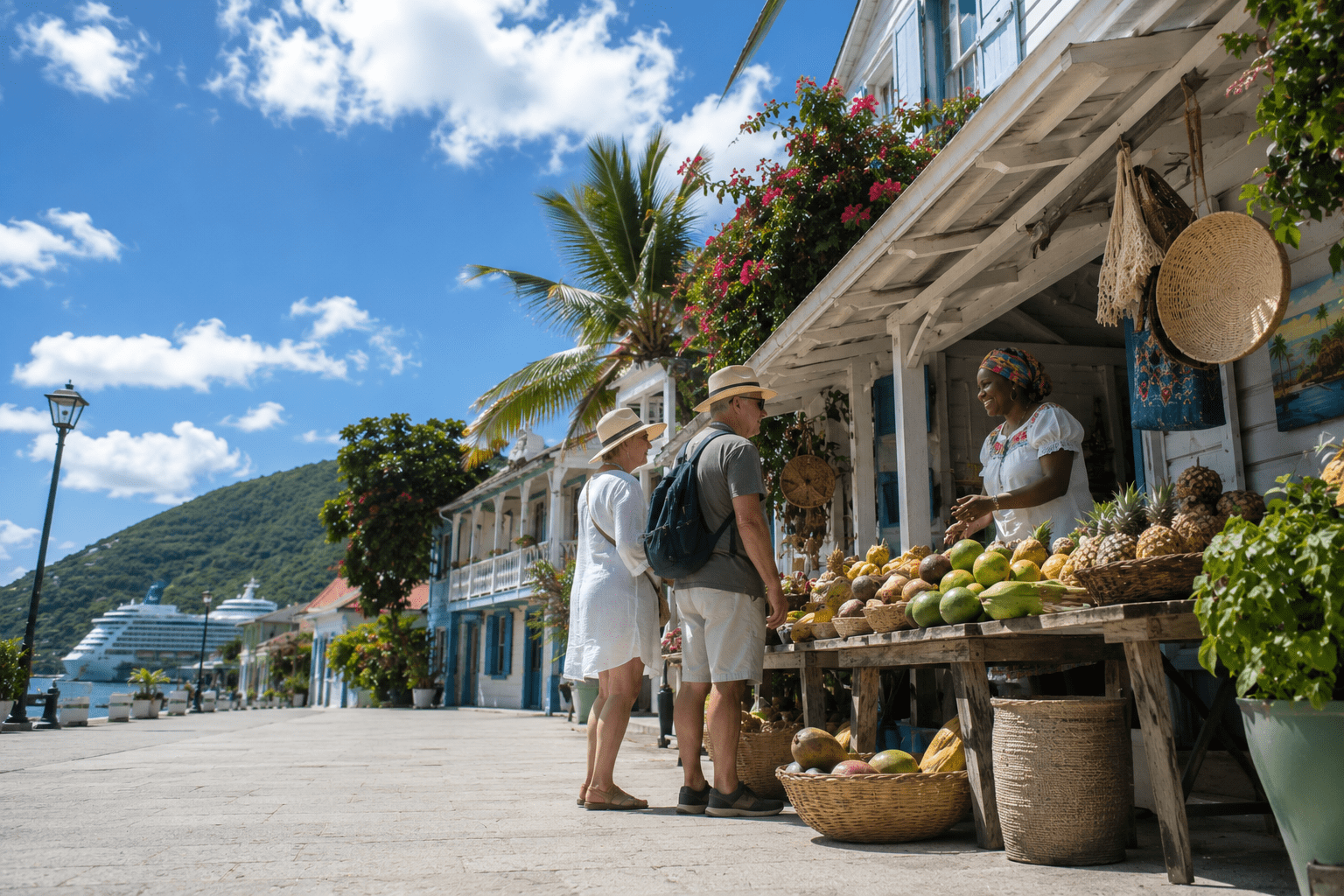
For years, Caribbean cruise destinations competed largely on scenery, climate and accessibility. Today, cruise executives increasingly argue that what differentiates one destination from another is becoming less about geography and more about the quality of the experience passengers encounter once they step ashore.
That shift emerged clearly during discussions featured in the 2025 FCCA Cruise Conference coverage, where industry leaders repeatedly pointed to growing demand for authentic, locally connected and experience-driven tourism offerings.
For cruise operators, this evolution is influencing how itineraries are designed, how destinations are evaluated and how value is created beyond the ship itself.
Authenticity is becoming a competitive asset
Among the voices highlighting this trend was Wendy McDonald, Senior Vice President of Strategic Partnerships at Princess Cruises.
According to McDonald, travelers are increasingly seeking experiences that create a stronger connection with the places they visit rather than simply consuming a list of attractions.
“We’re seeing a strong demand for authentic experiences,” she explained during the conference discussions.
The observation reflects a broader shift in cruise tourism. As onboard amenities continue to expand and ships themselves become destinations, cruise lines are placing greater emphasis on what cannot be replicated onboard: local culture, history, food, landscapes and community interactions.
For destinations, authenticity is increasingly becoming a marketable asset rather than simply a cultural characteristic.
Local experiences are moving closer to the center of itinerary planning
The growing focus on authenticity is reshaping shore excursion strategies across the industry.
Rather than relying exclusively on traditional sightseeing tours, cruise lines are increasingly looking for experiences that provide a deeper sense of place.
Conference discussions highlighted several examples frequently associated with this trend:
- culinary experiences built around local cuisine;
- eco-adventures linked to natural environments;
- community-based tourism activities;
- cultural and heritage experiences;
- locally guided excursions.
These products allow destinations to differentiate themselves in a market where passengers often visit multiple Caribbean islands during a single itinerary.
For cruise operators, unique experiences can become a powerful tool for itinerary differentiation.
Cruise lines are looking beyond the port area
Another theme emerging from the discussions is the growing interest in dispersing visitor activity beyond immediate waterfront areas.
Passengers increasingly seek opportunities to engage with local communities, discover regional food traditions and explore cultural landmarks located outside conventional cruise tourism zones.
This evolution has implications for destination stakeholders.
Tourism boards, excursion operators, cultural institutions and local businesses are becoming increasingly important participants in the cruise value chain. Experiences that were once considered complementary are gradually becoming part of the core tourism product offered to cruise passengers.
For destinations, this creates opportunities to distribute tourism spending more broadly across local economies.
Experience quality is becoming part of the business model
The shift toward immersive tourism is not simply a response to changing traveler preferences. It is also becoming a business consideration for cruise operators.
As competition intensifies across the cruise sector, companies are seeking ways to differentiate products that can otherwise appear increasingly similar from a fleet perspective.
Modern cruise ships offer sophisticated entertainment, dining and accommodation products. As a result, destination experiences are becoming a more important component of the overall customer proposition.
A memorable excursion, a distinctive culinary experience or meaningful cultural interaction can influence passenger satisfaction in ways that extend beyond a single port call.
For cruise lines, stronger destination experiences can contribute to customer loyalty, repeat bookings and overall brand perception.
Local sourcing is gaining attention
The discussions also pointed toward growing interest in strengthening connections between cruise tourism and local economies.
Cruise operators are increasingly exploring opportunities to integrate local products, services and suppliers into the visitor experience. This can include food and beverage offerings, artisanal products, cultural programming and locally operated excursions.
For destinations, local sourcing presents a dual opportunity.
It helps create more authentic experiences for visitors while also increasing the economic linkages between cruise activity and local businesses.
As destinations seek to maximize the benefits of tourism growth, these connections are becoming increasingly important.
The destination experience is becoming part of the competitive landscape
The conversations highlighted during the FCCA conference suggest that the future of cruise tourism may be shaped as much by what happens ashore as by what happens onboard.
Ships will continue to evolve. New vessels will continue to introduce larger capacities and more sophisticated amenities. Yet many of the experiences passengers increasingly value—local cuisine, cultural encounters, community engagement and environmental discovery—remain inherently destination-based.
For cruise operators, investing in these experiences is becoming part of a broader strategy to create differentiated products and strengthen passenger satisfaction.
For destinations, the implication is equally clear: in an industry where ships are becoming increasingly similar in their ability to deliver comfort and entertainment, the quality and authenticity of the experience ashore may become one of the most important factors influencing long-term competitiveness.