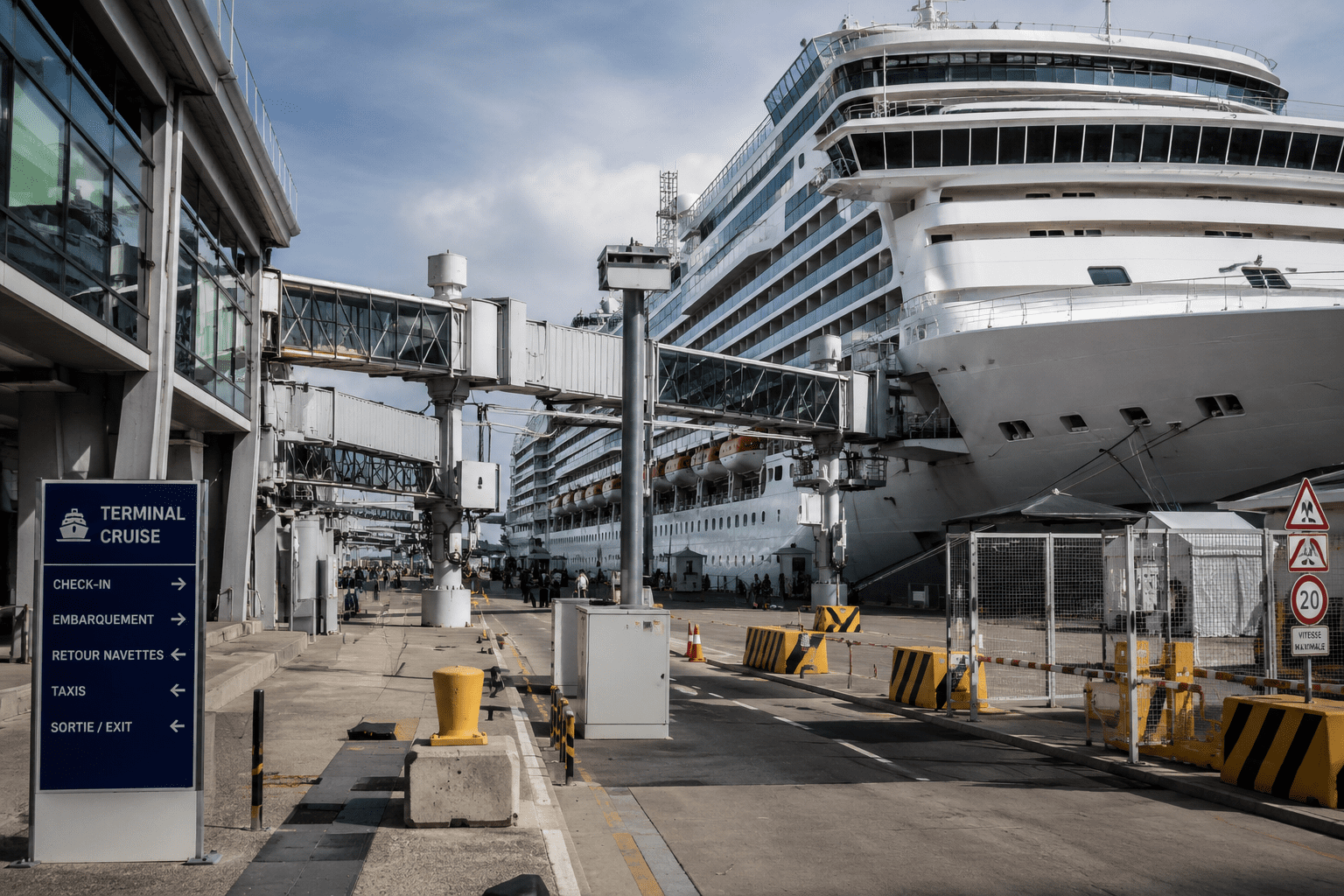
With industry projections presented during the 2025 FCCA Cruise Conference pointing toward 37.7 million global cruise passengers in 2025 and forecasts approaching 42 million by 2028, cruise executives, port operators and destination authorities are increasingly confronting a practical question: can existing infrastructure keep pace with the industry’s next growth cycle?
For years, much of the focus across the Caribbean centered on attracting cruise traffic. Today, a growing number of industry discussions are shifting toward a different challenge—ensuring that ports, terminals, transportation networks and operational systems can absorb rising passenger volumes while maintaining efficiency and passenger experience.
As cruise lines deploy larger vessels and expand operations across the region, infrastructure is becoming a central factor in determining where future growth can be accommodated.
Growing passenger volumes are increasing pressure on port systems
The projected growth discussed during the FCCA conference reflects more than a rise in passenger numbers. It also implies a significant increase in the volume of people, baggage, supplies and transportation movements that ports must handle.
Every additional cruise passenger passes through a wider infrastructure ecosystem involving terminals, security checkpoints, customs facilities, ground transportation networks and tourism services.
The challenge becomes even greater when multiple vessels call at the same destination on the same day.
As passenger volumes continue to rise, ports must ensure that processing capacity keeps pace with demand. Congestion, long waiting times and inefficient passenger flows can directly affect both operational performance and visitor experience.
For destinations seeking to attract additional cruise traffic, infrastructure capacity is therefore becoming just as important as tourism appeal.
Larger ships are changing infrastructure requirements
The evolution of cruise fleets is also reshaping infrastructure needs.
New-generation vessels entering service carry significantly larger passenger and crew volumes than many ships operating just a decade ago. While these vessels create opportunities for destinations to increase visitor numbers, they also concentrate operational activity into shorter timeframes and smaller geographic areas.
Passenger terminals must be capable of handling simultaneous embarkation and disembarkation flows. Security screening systems, baggage processing facilities and transportation services must be able to accommodate thousands of travelers within tightly scheduled operational windows.
This reality is driving investment decisions across the cruise sector.
During conference discussions, infrastructure modernization repeatedly emerged as a priority for destinations seeking to remain attractive to cruise operators deploying larger and more operationally demanding vessels.
Homeport growth is raising operational expectations
The expansion of homeport operations is further increasing infrastructure requirements.
Unlike transit calls, homeport operations require destinations to manage the full passenger journey, including embarkation, disembarkation, baggage handling, transportation coordination and vessel provisioning activities.
These operations create broader economic benefits, but they also require significantly greater operational readiness.
The dedicated homeporting discussions held during the FCCA conference highlighted the importance of efficient passenger processing, logistics coordination and transportation connectivity. Ports hoping to capture a larger share of homeport activity must demonstrate an ability to manage complex turnaround operations reliably and efficiently.
As a result, infrastructure investments are increasingly extending beyond berth capacity to include passenger facilities, operational systems and support services.
Cruise infrastructure extends beyond the terminal
One of the clearest themes emerging from the conference was that cruise infrastructure can no longer be viewed solely through a port lens.
The passenger experience begins long before travelers reach a cruise terminal.
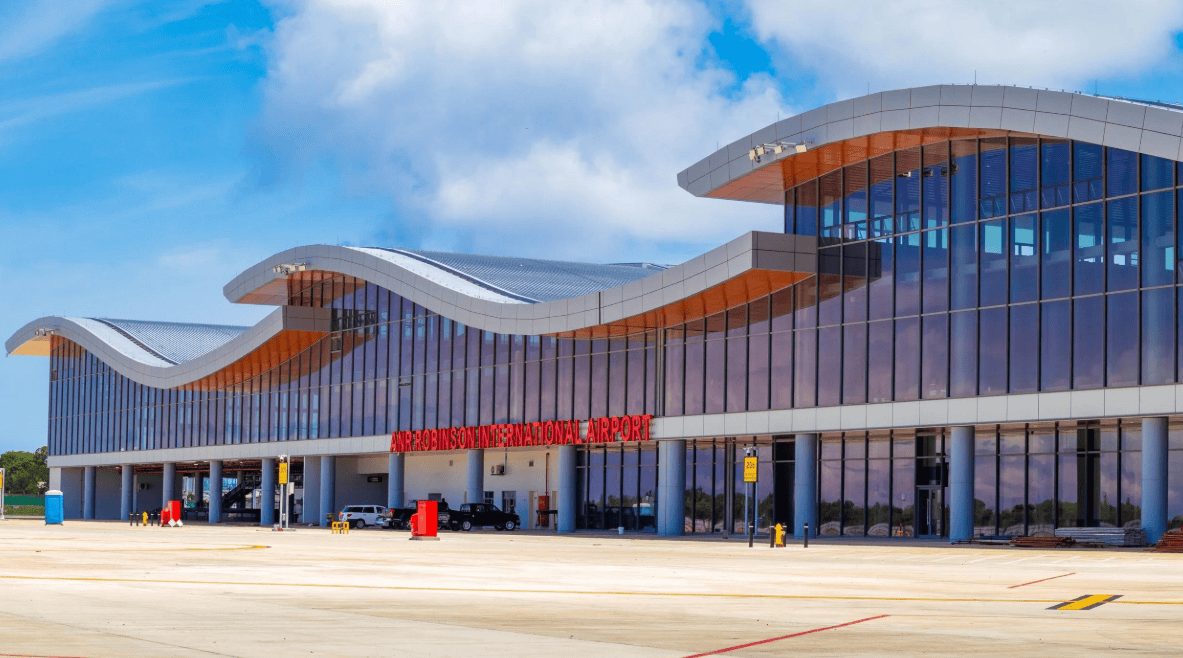
Airports, road networks, transportation services and urban mobility systems all influence the efficiency of cruise operations, particularly in destinations seeking to expand homeport activity.
Puerto Rico’s discussions during the conference illustrated this relationship clearly. The island’s ambitions to strengthen its role within the regional cruise market are closely linked to its air connectivity and broader transportation infrastructure, not simply its port facilities.
This reflects a wider trend across the Caribbean. As cruise operations become more complex, successful destinations increasingly depend on coordination between port authorities, airport operators, transportation providers and tourism stakeholders.
Infrastructure planning is therefore becoming a multi-sector challenge rather than a purely maritime one.
Investment is becoming a prerequisite for future growth
Throughout the FCCA conference, discussions about cruise growth were frequently accompanied by discussions about infrastructure investment.
Terminal modernization projects, capacity expansion initiatives, passenger experience improvements and operational efficiency measures are becoming increasingly common across the region as destinations prepare for future demand.
For ports and governments, these investments are no longer simply about attracting additional ship calls.
They are increasingly about ensuring that future growth can be accommodated safely, efficiently and sustainably.
As passenger volumes continue to increase and cruise lines deploy larger vessels, infrastructure readiness is becoming a critical component of long-term cruise development strategies.
Capacity may become the industry’s next major constraint
The cruise industry’s growth outlook remains strong. Passenger demand continues to expand, new ships are entering service and destinations across the Caribbean are seeking to capture a greater share of future opportunities.
Yet the discussions held during the 2025 FCCA Cruise Conference suggest that the next major challenge may not be generating demand.
It may be ensuring that ports, terminals, transportation networks and operational systems possess the capacity required to absorb it.
For the Caribbean cruise sector, infrastructure is increasingly moving from a supporting function to a strategic priority. In the years ahead, the destinations best positioned for growth may not necessarily be those attracting the most ships today, but those investing early enough to accommodate the ships of tomorrow.