Caribbean governments are stepping up efforts to strengthen the implementation of international standards governing seafarer training and certification, recognising the importance of robust training systems and quality assurance frameworks for the region’s maritime sector.
To support these efforts, the International Maritime Organization (IMO) convened a regional workshop in Port of Spain, Trinidad and Tobago, from 23 to 27 March. The event brought together 32 participants from 11 Caribbean countries, including representatives from governments, maritime administrations, maritime academies and training institutions responsible for implementing the International Convention on Standards of Training, Certification and Watchkeeping for Seafarers (STCW).
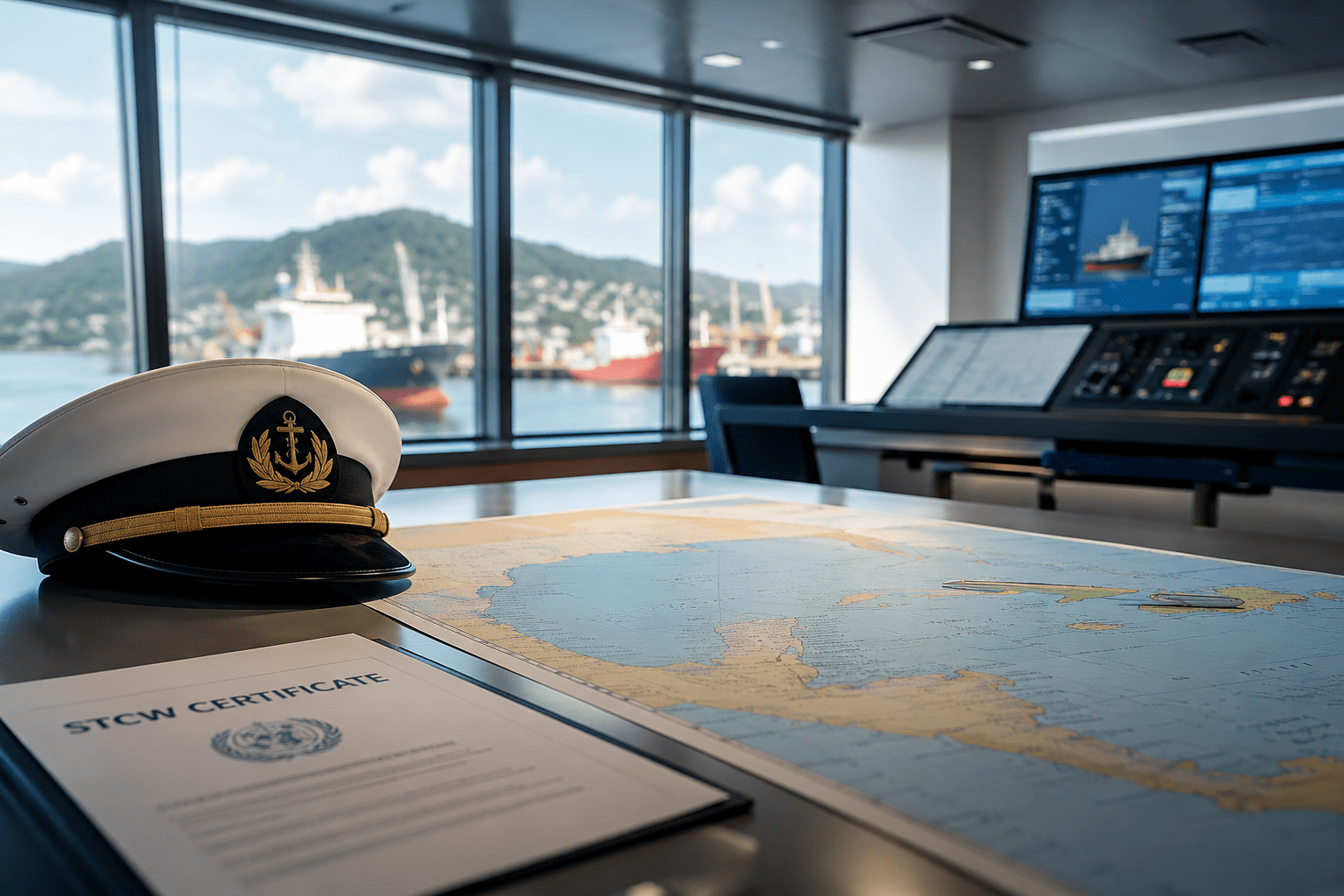
The workshop focused on Regulations I/7 and I/8 of the STCW Convention, which require countries to communicate information to the IMO on national procedures for approving seafarer training, examinations, medical fitness and competency assessments, while also maintaining quality standards systems subject to independent evaluation.
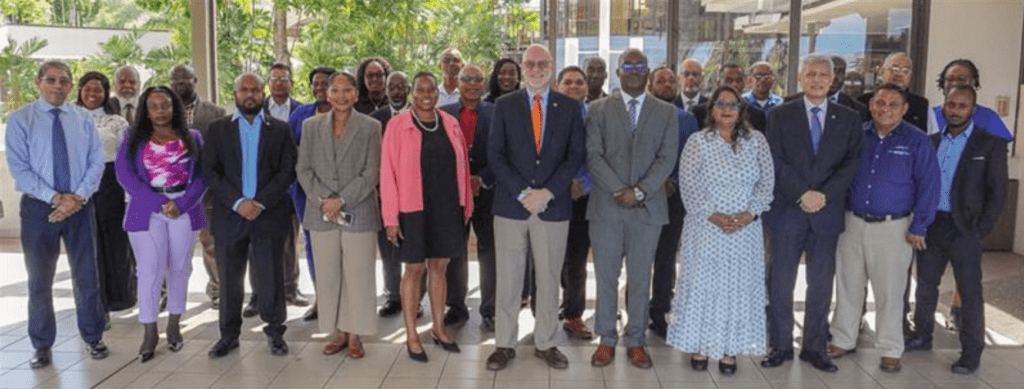
Dedicated sessions examined reporting requirements and guidance issued by the IMO, as well as quality assurance mechanisms designed to ensure that national maritime training and certification systems remain aligned with internationally agreed standards.
Participants identified common challenges, shared best practices and developed recommendations to support the continued implementation of STCW requirements across the Caribbean.
While technical in nature, these frameworks play an important role in underpinning the international recognition of maritime qualifications and reinforcing the credibility of national training systems. As maritime industries across the Caribbean continue to evolve, strengthening the governance and quality of seafarer training is increasingly seen as an essential component of developing a resilient and internationally trusted maritime workforce.