The Grand Port Maritime de la Guadeloupe (GPMG) is using European funding to support a broad transformation agenda that extends well beyond traditional port infrastructure. While investments in cargo-handling equipment and terminal upgrades remain central to the programme, the projects currently supported by the European Regional Development Fund (ERDF/FEDER) also encompass renewable energy, digitalisation, climate adaptation and regional cooperation.
Together, these initiatives illustrate how a Caribbean port can leverage public funding not only to strengthen operational performance, but also to address long-term challenges linked to energy transition, resilience and competitiveness.
Modernising infrastructure for a changing shipping industry
The largest share of the investment programme is dedicated to strengthening the port’s ability to accommodate evolving maritime transport patterns.
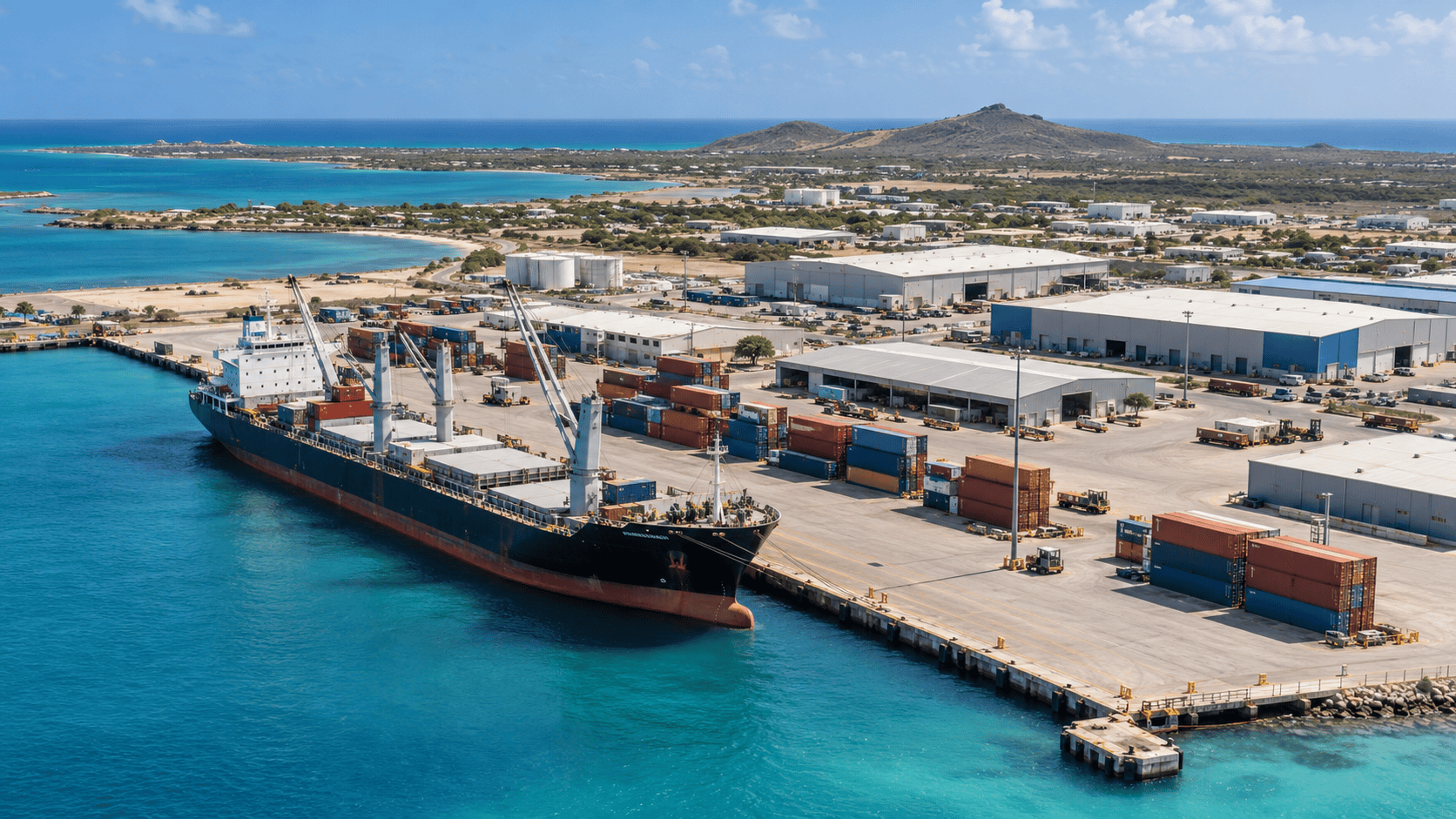
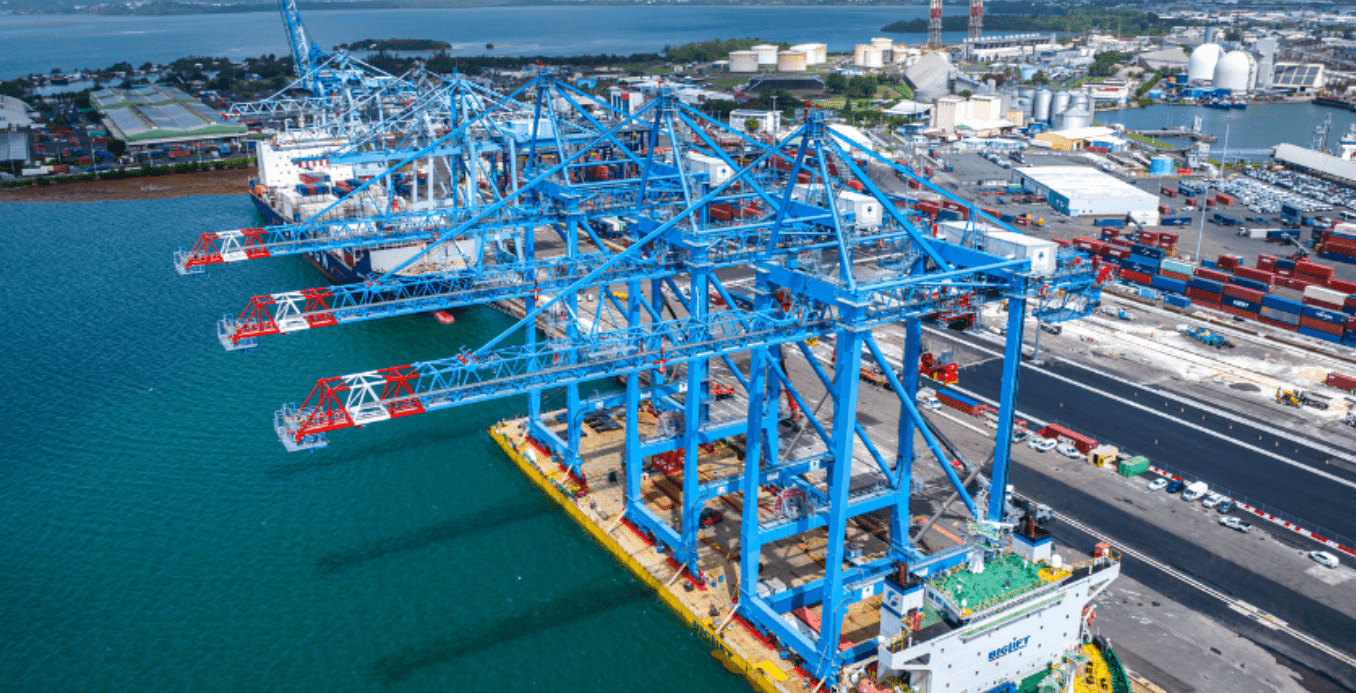
Among the flagship projects is the acquisition of three new-generation XL ship-to-shore cranes, representing a total investment of €31.6 million, including €7.2 million in ERDF support. According to the Guadeloupe port, these cranes are intended to increase handling capacity, improve transshipment capabilities and enable the port to serve larger container vessels.
The investment reflects broader trends across the global container shipping industry, where carriers increasingly deploy higher-capacity vessels to improve economies of scale. For ports, maintaining competitiveness often requires continuous upgrades to infrastructure and equipment capable of supporting these larger ships.
Complementing the crane programme is the installation of a 30-metre rear rail system, supported by €2.675 million in ERDF funding. The rail infrastructure is designed to ensure the optimal operation of the new cranes and to align terminal facilities with current container shipping standards.
Additional works on Quay 12, including levelling and reinforcement operations, are intended to strengthen quay foundations and improve operational conditions, further supporting the port’s long-term development strategy.
Taken together, these projects form a coherent infrastructure package aimed at preserving Guadeloupe’s position within regional and transatlantic logistics networks.
Linking competitiveness with energy transition
The GPMG’s investment strategy is not limited to cargo operations. Several projects focus on improving the environmental performance of port activities.
One of the most visible examples is the construction of a photovoltaic power plant with a capacity of 523 kWp. The project, which benefits from an 80% ERDF co-financing rate, is expected to generate approximately 780 MWh of renewable electricity annually.
According to the port authority, the installation should cover nearly 14% of the port’s annual electricity consumption while avoiding around 628 tonnes of CO₂ emissions each year.
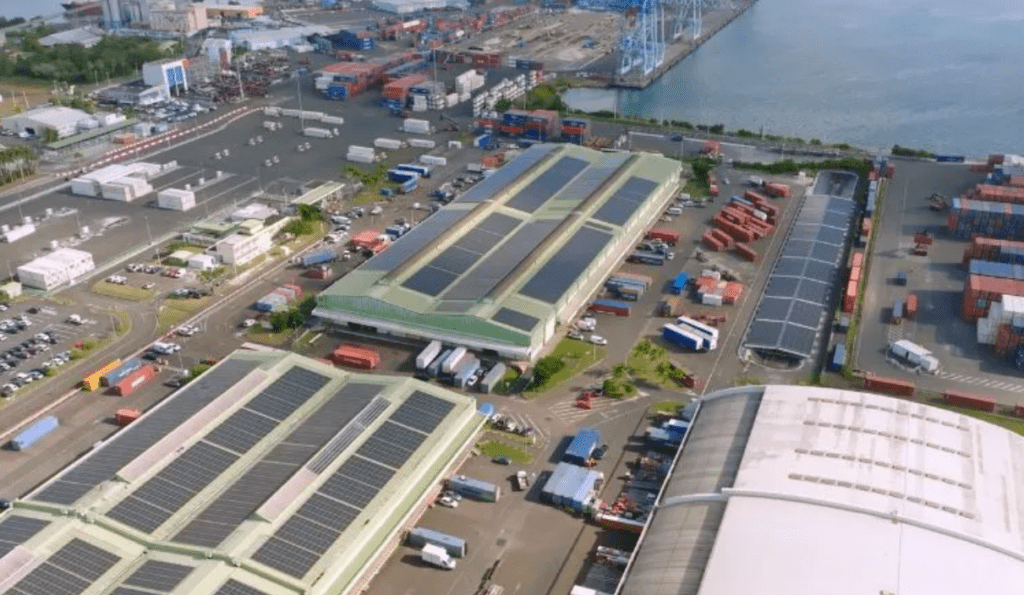
Although modest in comparison with large-scale industrial renewable energy projects, the initiative reflects a growing trend among ports seeking to reduce energy costs, improve sustainability performance and contribute to broader decarbonisation objectives.
The transformation programme also includes the deployment of a new Finance-Budget-Procurement information system. Supported through ERDF funding, the project aims to improve data reliability, enhance process efficiency and accelerate the digitalisation of internal operations.
While less visible than cranes or infrastructure works, digital systems increasingly play a critical role in supporting operational efficiency and governance across modern port organisations.
Building regional resilience through cooperation
Beyond infrastructure and energy, the GPMG is also positioning itself within a broader regional conversation on climate resilience.
Through the CariPorts and CariPorts II programmes, developed in partnership with the Caribbean Shipping Association and supported by Interreg Caribbean funding, the port is contributing to initiatives designed to strengthen environmental management across Caribbean ports.
The first CariPorts programme focused on sharing expertise and developing common approaches to environmental challenges facing island territories. CariPorts II goes a step further by working towards the creation of what is described as the first environmental label dedicated specifically to Caribbean ports.
The initiative seeks to provide a framework for improving environmental performance while recognising the unique constraints and vulnerabilities faced by ports operating in small island and coastal environments.
The port is also involved in the LIFE Adapt’Island programme, which promotes nature-based solutions to climate adaptation. The project focuses on strengthening the connections between coral reefs, seagrass beds and mangrove ecosystems—natural barriers that help protect coastal communities from erosion, flooding and extreme weather events.
For Caribbean territories increasingly exposed to climate-related risks, such initiatives highlight the growing importance of integrating environmental resilience into infrastructure planning.
A broader development model for Caribbean ports
Recent figures released by the GPMG indicate that four major infrastructure projects currently represent €43.9 million in eligible investment, supported by €13.9 million in ERDF funding, corresponding to an average co-financing rate of 32%.
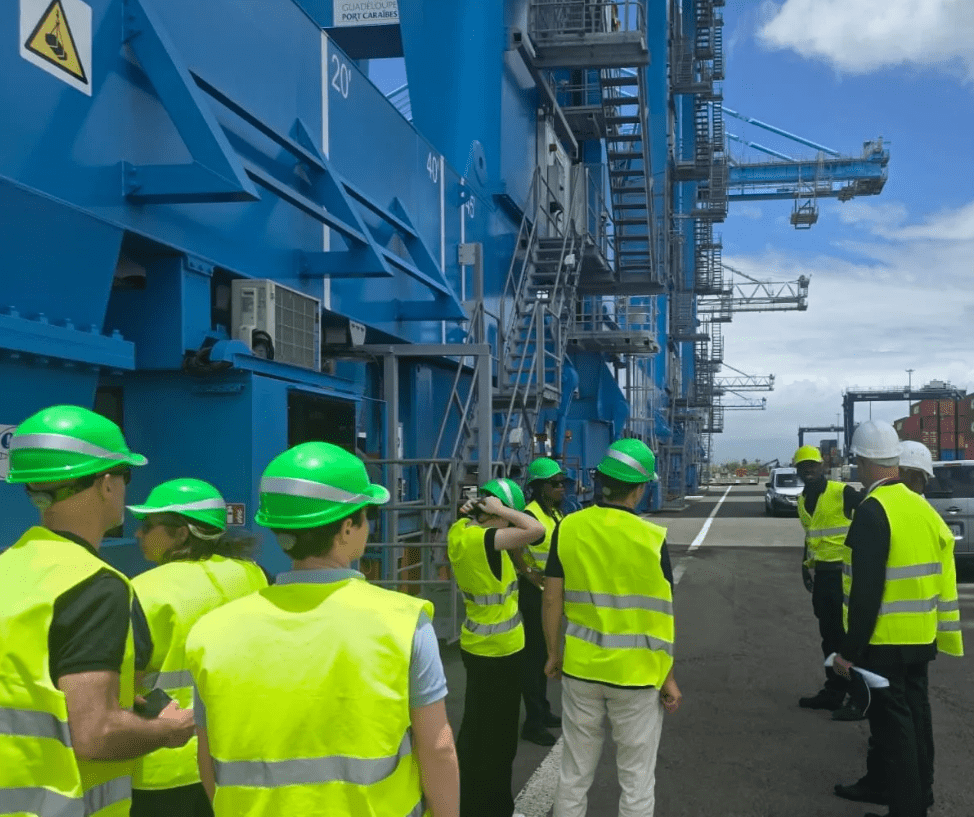
The strategic scope of these initiatives was recently highlighted during a site visit by members of the ERDF monitoring committee at the port’s Jarry facilities. The visit provided an opportunity to review the progress of several flagship projects, including the XL crane programme, the 30-metre rear rail installation, quay improvement works and the photovoltaic power plant, offering a tangible illustration of how European funding is being translated into operational and environmental improvements on the ground.
Yet the significance of the programme extends beyond the financial figures themselves.
The combination of logistics infrastructure, renewable energy, digital transformation and climate resilience initiatives reflects a more integrated approach to port development—one that seeks to balance operational competitiveness with environmental and societal challenges.
As Caribbean ports face increasing pressure to modernise infrastructure, strengthen supply-chain reliability and adapt to climate change, Guadeloupe’s experience provides an example of how targeted public funding can support multiple strategic objectives simultaneously.
Rather than viewing infrastructure, sustainability and resilience as separate agendas, the Guadeloupe port ’s current investment programme demonstrates how these priorities can be pursued as part of a single long-term development strategy.
Photo credit: Grand Port Maritime de la Guadeloupe